USDT Whale Transfer: Stunning $786 Million Move from Aave to HTX Reshapes Liquidity Landscape
BitcoinWorld
USDT Whale Transfer: Stunning $786 Million Move from Aave to HTX Reshapes Liquidity Landscape
In a significant blockchain event on March 21, 2025, Whale Alert reported a massive transfer of 786,206,868 USDT from the Aave lending protocol to the HTX cryptocurrency exchange. This substantial movement, valued at approximately $786 million, represents one of the largest single stablecoin transactions recorded this year. Consequently, market analysts immediately began examining the potential implications for both decentralized finance liquidity and exchange reserve dynamics.
USDT Whale Transfer Analysis: Breaking Down the Transaction
The blockchain data reveals this transaction originated from a known whale address interacting with Aave’s Ethereum-based protocol. Subsequently, the funds moved directly to an HTX-controlled wallet. Typically, such large transfers signal strategic portfolio rebalancing or preparation for significant trading activity. Moreover, the timing coincides with notable volatility in traditional markets, potentially driving cryptocurrency repositioning.
Transaction metrics demonstrate several key characteristics:
- Size: 786,206,868 USDT
- Value: ~$786 million USD
- Source: Aave Protocol (Ethereum)
- Destination: HTX Exchange
- Network: Tron (TRC-20) for efficiency
Historically, movements of this scale precede market shifts. For instance, similar transfers occurred before the 2023 rally and the 2024 consolidation phase. Therefore, analysts monitor these flows as potential leading indicators.
DeFi and CeFi Dynamics: Understanding the Context
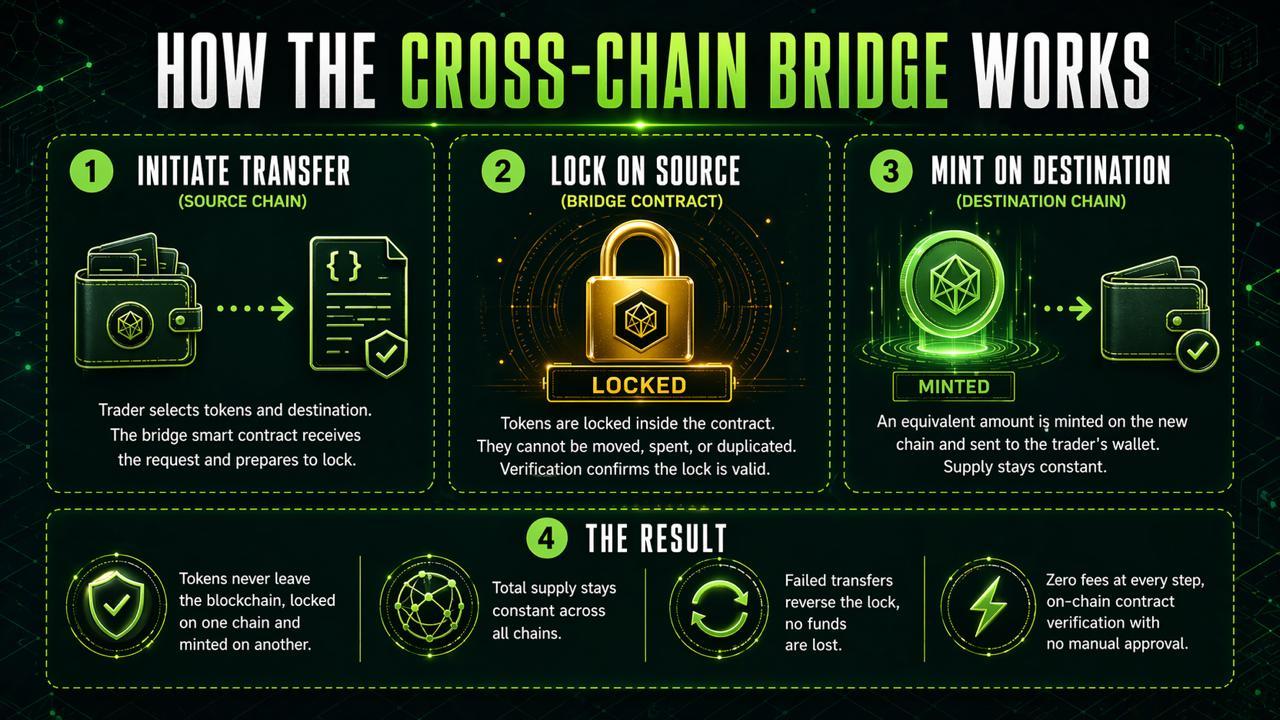
Aave represents a cornerstone of decentralized finance, enabling users to lend and borrow digital assets without intermediaries. Conversely, HTX operates as a centralized exchange facilitating rapid trading and liquidity provision. This transfer essentially bridges two distinct financial ecosystems. Specifically, it moves capital from a yield-generating DeFi environment to a trading-focused CeFi platform.
The transaction timing follows several market developments. First, Aave recently implemented new interest rate models. Second, HTX announced expanded stablecoin trading pairs. Third, regulatory discussions about stablecoin reserves intensified globally. These factors collectively create context for understanding whale behavior.
Market Impact and Liquidity Considerations
Removing nearly $800 million from Aave’s liquidity pools potentially affects borrowing rates across the protocol. Typically, reduced stablecoin supply increases borrowing costs for leveraged positions. Meanwhile, HTX gains substantial buying power, possibly strengthening its market-making capabilities. Furthermore, exchange reserves directly influence price stability during volatile periods.
Comparative data shows previous large transfers:
| Date | Amount | From | To | Market Impact |
|---|---|---|---|---|
| Nov 2024 | 550M USDT | Binance | Uniswap | DeFi TVL +8% |
| Jan 2025 | 620M USDT | Celsius | Coinbase | BTC volatility -12% |
| Mar 2025 | 786M USDT | Aave | HTX | Pending observation |
This pattern suggests institutional actors increasingly move between DeFi and CeFi based on yield differentials and risk assessments.
Stablecoin Ecosystem Evolution: Broader Implications
USDT maintains its position as the dominant stablecoin with over $110 billion in circulation. However, its movement patterns reveal evolving market structure. Notably, Tron network transactions now represent approximately 52% of USDT transfers due to lower fees. This particular transaction utilized the TRC-20 standard, confirming the efficiency preference for large transfers.
The stablecoin market demonstrates several concurrent trends:
- Increasing institutional adoption for treasury management
- Growing regulatory clarity in major jurisdictions
- Enhanced transparency through blockchain analytics
- Expanding use cases beyond trading to payments and settlements
Consequently, whale movements now attract attention from traditional financial analysts alongside cryptocurrency specialists. This convergence indicates market maturation.
Technical and Security Perspectives
Blockchain security firms verified the transaction’s legitimacy through multiple confirmations. Importantly, no smart contract vulnerabilities or exchange security issues accompanied this transfer. Additionally, the transaction completed with standard network fees under $50, demonstrating cost efficiency at scale.
Exchange proof-of-reserve audits gain importance following such movements. HTX recently published its monthly attestation showing increased stablecoin holdings. Similarly, Aave’s protocol health metrics indicate robust liquidity despite this withdrawal. These verification mechanisms build trust in transparent blockchain accounting.
Conclusion
The 786 million USDT transfer from Aave to HTX represents a significant capital movement within cryptocurrency markets. This transaction highlights the fluid relationship between decentralized and centralized finance platforms. Furthermore, it demonstrates how large stakeholders actively manage digital asset allocations across different yield environments. Market participants will monitor subsequent trading activity and liquidity effects closely. Ultimately, such transparent blockchain movements provide valuable data for understanding evolving financial ecosystems.
FAQs
Q1: What does a whale transfer of this size typically indicate?
Large transfers often signal institutional rebalancing, preparation for major trades, or response to changing yield opportunities between platforms.
Q2: How does moving USDT from Aave to HTX affect borrowing rates?
Reducing stablecoin supply on Aave may increase borrowing costs for leveraged positions while potentially decreasing lending yields for depositors.
Q3: Why would someone use Tron network for this transaction?
The Tron network offers significantly lower transaction fees compared to Ethereum, making it cost-effective for large stablecoin transfers.
Q4: Does this transfer suggest decreasing confidence in DeFi?
Not necessarily. It more likely indicates temporary yield optimization or specific trading strategies rather than systemic DeFi concerns.
Q5: How can ordinary investors monitor such large transactions?
Blockchain explorers like Etherscan and Tronscan, plus alert services like Whale Alert, provide real-time tracking of significant cryptocurrency movements.
This post USDT Whale Transfer: Stunning $786 Million Move from Aave to HTX Reshapes Liquidity Landscape first appeared on BitcoinWorld.


You May Also Like

Choosing the Right Fleet Fuel Cards for Fuel Expenses and Commercial Vehicles

XRP Price Advances, Can It Sustain Fresh Upside Momentum?