Federal Reserve’s Stark Warning: Geopolitical Tensions Threaten to Derail Inflation Forecast
BitcoinWorld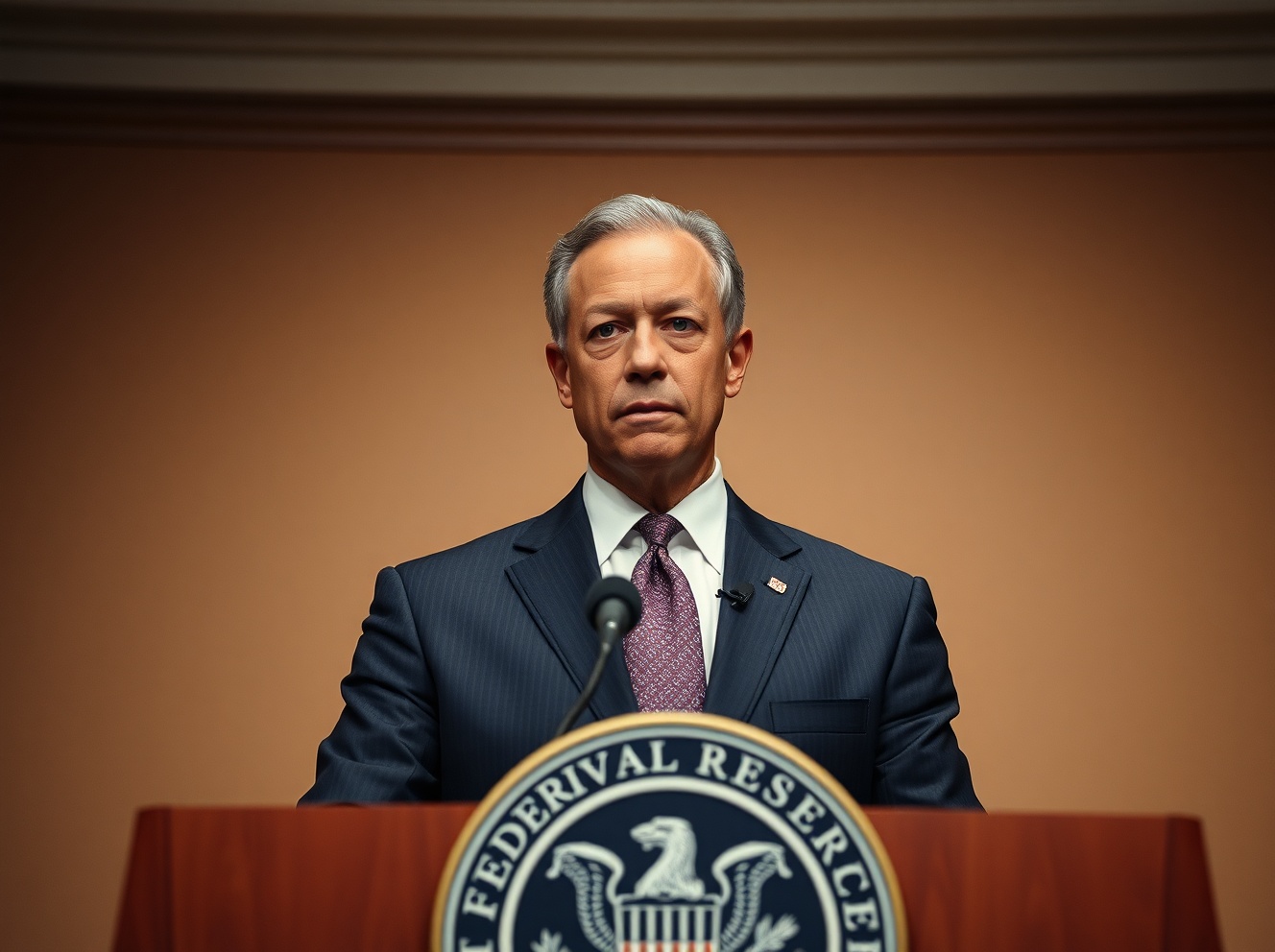
Federal Reserve’s Stark Warning: Geopolitical Tensions Threaten to Derail Inflation Forecast
WASHINGTON, D.C. – Federal Reserve Governor Philip Jefferson delivered a significant warning this week, stating that escalating geopolitical conflicts around the globe now present substantial upside risks to the central bank’s inflation forecast. This assessment, made during a speech at the Peterson Institute for International Economics, signals a potential complication for monetary policy in 2025 as the Fed navigates the final stages of its inflation fight. Consequently, market expectations for near-term interest rate cuts may face further delays.
Federal Reserve Governor Outlines Clear Inflation Threats
Governor Jefferson, a key voice on the Federal Open Market Committee (FOMC), explicitly linked international instability to domestic price pressures. He identified several specific channels through which geopolitical strife could fuel inflation. First, disruptions to global supply chains for critical commodities, such as oil and agricultural products, can cause immediate price spikes. Second, increased defense and security spending by governments worldwide can boost aggregate demand. Finally, a broad reassessment of global economic risks can lead to persistent inflationary psychology among businesses and consumers.
This analysis comes at a critical juncture. The Federal Reserve has held its benchmark interest rate steady for several months following an aggressive hiking cycle. Recent data showed inflation moderating but remaining stubbornly above the Fed’s 2% target. Jefferson’s remarks underscore that the path to price stability is fraught with external dangers beyond the central bank’s direct control. Therefore, policymakers must remain exceptionally vigilant.
Historical Context of Geopolitical Shocks on Prices
History provides clear precedents for Jefferson’s concern. The oil price shocks of the 1970s, triggered by Middle East conflicts, created a decade of stagflation. More recently, the COVID-19 pandemic exposed the fragility of global just-in-time supply networks. The war in Ukraine in 2022 then sent energy and food prices soaring worldwide, pushing U.S. inflation to a 40-year high. These events demonstrate how distant conflicts can rapidly translate into higher costs for American households.
Currently, tensions in multiple regions threaten a similar outcome. Conflicts in Eastern Europe continue to affect grain and fertilizer supplies. Simultaneously, instability in the Middle East poses a constant risk to global oil shipments through critical chokepoints like the Strait of Hormuz. Furthermore, strategic competition between major powers has led to trade restrictions and the reshoring of supply chains, which often involves higher production costs. These factors collectively create a volatile backdrop for the global economy.
Expert Analysis on Policy Implications
Economists widely interpret Jefferson’s comments as a signal of heightened caution within the Fed. “The message is clear: the Fed cannot declare victory on inflation while the world is on fire,” noted Dr. Sarah Chen, a former IMF economist now with the Brookings Institution. “Governor Jefferson is preparing the public and the markets for the possibility that ‘higher for longer’ may not just be about domestic demand, but about securing the economy against global shocks.”
This perspective suggests the Fed’s reaction function is evolving. Traditionally, the central bank has focused on domestic indicators like employment and core inflation. Now, the Fed’s dashboard must incorporate global risk assessments more formally. This complex mandate requires balancing the fight against inflation with the need to maintain financial stability if geopolitical events trigger market stress. As a result, communication from officials like Jefferson becomes a critical policy tool itself.
Market Reactions and Future Scenarios
Financial markets reacted swiftly to the governor’s sobering assessment. Futures markets slightly reduced the probability of a rate cut at the Fed’s June 2025 meeting. Additionally, the yield on the 10-year Treasury note edged higher, reflecting expectations of a more restrictive policy path. The U.S. dollar also strengthened modestly against a basket of currencies, as higher-for-longer U.S. rates attract global capital.
Analysts have outlined several potential scenarios based on this new risk framework:
- Baseline Scenario (Delayed Easing): The Fed proceeds with rate cuts in late 2025, but the pace is slower and the endpoint is potentially higher than previously anticipated.
- Risk Scenario (No Cuts in 2025): A major geopolitical escalation, such as a prolonged disruption to oil supplies, could halt the disinflation process entirely, forcing the Fed to hold rates steady throughout the year.
- Downside Scenario (Emergency Response): If a crisis causes severe financial market dysfunction, the Fed might be forced to cut rates to provide liquidity, even if inflation is elevated—a deeply challenging dilemma.
Conclusion
Federal Reserve Governor Philip Jefferson’s warning underscores a fundamental shift in the inflation landscape. While domestic demand pressures may be cooling, external geopolitical tensions now represent a formidable upside risk to the price stability forecast. This reality complicates the Federal Reserve’s path toward interest rate normalization and suggests a prolonged period of policy caution. For investors, businesses, and consumers, the message is to prepare for continued economic uncertainty, where global headlines will play an increasingly direct role in shaping the cost of borrowing and the pace of price increases in the United States throughout 2025.
FAQs
Q1: What did Federal Reserve Governor Philip Jefferson say about inflation?
Governor Jefferson stated that rising geopolitical tensions around the world pose significant “upside risks” to the Federal Reserve’s inflation forecast, meaning they could cause prices to rise faster than currently expected.
Q2: How do geopolitical tensions actually cause inflation?
They primarily cause inflation by disrupting the supply of critical commodities like oil and food, increasing global transportation and insurance costs, and prompting governments to increase defense spending, which boosts overall demand.
Q3: Does this mean the Fed will not cut interest rates in 2025?
Not necessarily, but it makes rate cuts later in the year more likely than early cuts. The Fed will need clear evidence that inflation is sustainably moving toward 2% despite these global risks before it begins to lower rates.
Q4: Which geopolitical areas is the Fed most concerned about?
While not specified in every speech, ongoing conflicts in Eastern Europe and the Middle East, along with broader strategic competition between major powers that affects trade and supply chains, are key areas of focus.
Q5: How should investors interpret this warning?
Investors should factor in greater macroeconomic uncertainty and the potential for prolonged higher interest rates, which can affect stock valuations, bond yields, and the strength of the U.S. dollar.
This post Federal Reserve’s Stark Warning: Geopolitical Tensions Threaten to Derail Inflation Forecast first appeared on BitcoinWorld.


You May Also Like

Bitcoin, Gold, and U.S. Stocks Dive as Trump Pledges to Hit Iran ‘Extremely Hard’

One Kash Patel comment 'made the hair on the back of my neck stand up': ex-FBI deputy