The post Fintech Is Leveling the Playing Field in Trading, Says Zak Westphal appeared on BitcoinEthereumNews.com. The trading world was once divided into two groups: those with access to high-powered data and those without.  As you might have guessed, it was the major institutions (like Wall Street) that had a monopoly on the tools, data access, and speed. This left retail traders fighting to keep up. This gap is closing rapidly, and the main reason is the introduction of new technology and platforms entering the fold. Zak Westphal has been at the forefront of this transformation. While Co-Founding StocksToTrade, he has been a big part of empowering everyday traders to gain access to the real-time information and algorithmic systems that have long provided Wall Street with its edge. We spoke with him about how fintech is reshaping the landscape and what it really means for retail traders today. Fintech has changed everything from banking to payments. In your opinion, what has been its greatest impact on the world of trading? For me, it’s all about access. When I began my trading career, institutions had a significant advantage, even more pronounced than it is now. They had direct feeds of data, algorithmic systems, and research teams monitoring information right around the clock. Retail traders, on the other hand, had slower information and pretty basic tools in comparison.  Fintech has substantially changed the game. Today, a retail trader from home can access real-time market data, scan thousands of stocks in mere seconds, and utilize algorithmic tools that were once only available to hedge funds. I can’t think of a time when the access for everyday traders has been as accessible as it is today. That doesn’t mean the advantages are gone, because Wall Street still has resources that individuals simply can’t have. However, there is now an opportunity for everyday traders actually to compete. And that is a… The post Fintech Is Leveling the Playing Field in Trading, Says Zak Westphal appeared on BitcoinEthereumNews.com. The trading world was once divided into two groups: those with access to high-powered data and those without.  As you might have guessed, it was the major institutions (like Wall Street) that had a monopoly on the tools, data access, and speed. This left retail traders fighting to keep up. This gap is closing rapidly, and the main reason is the introduction of new technology and platforms entering the fold. Zak Westphal has been at the forefront of this transformation. While Co-Founding StocksToTrade, he has been a big part of empowering everyday traders to gain access to the real-time information and algorithmic systems that have long provided Wall Street with its edge. We spoke with him about how fintech is reshaping the landscape and what it really means for retail traders today. Fintech has changed everything from banking to payments. In your opinion, what has been its greatest impact on the world of trading? For me, it’s all about access. When I began my trading career, institutions had a significant advantage, even more pronounced than it is now. They had direct feeds of data, algorithmic systems, and research teams monitoring information right around the clock. Retail traders, on the other hand, had slower information and pretty basic tools in comparison.  Fintech has substantially changed the game. Today, a retail trader from home can access real-time market data, scan thousands of stocks in mere seconds, and utilize algorithmic tools that were once only available to hedge funds. I can’t think of a time when the access for everyday traders has been as accessible as it is today. That doesn’t mean the advantages are gone, because Wall Street still has resources that individuals simply can’t have. However, there is now an opportunity for everyday traders actually to compete. And that is a…

Fintech Is Leveling the Playing Field in Trading, Says Zak Westphal

2025/09/18 17:14

The trading world was once divided into two groups: those with access to high-powered data and those without. 

As you might have guessed, it was the major institutions (like Wall Street) that had a monopoly on the tools, data access, and speed. This left retail traders fighting to keep up. This gap is closing rapidly, and the main reason is the introduction of new technology and platforms entering the fold.

Zak Westphal has been at the forefront of this transformation. While Co-Founding StocksToTrade, he has been a big part of empowering everyday traders to gain access to the real-time information and algorithmic systems that have long provided Wall Street with its edge. We spoke with him about how fintech is reshaping the landscape and what it really means for retail traders today.


Fintech has changed everything from banking to payments. In your opinion, what has been its greatest impact on the world of trading?

For me, it’s all about access. When I began my trading career, institutions had a significant advantage, even more pronounced than it is now. They had direct feeds of data, algorithmic systems, and research teams monitoring information right around the clock. Retail traders, on the other hand, had slower information and pretty basic tools in comparison. 

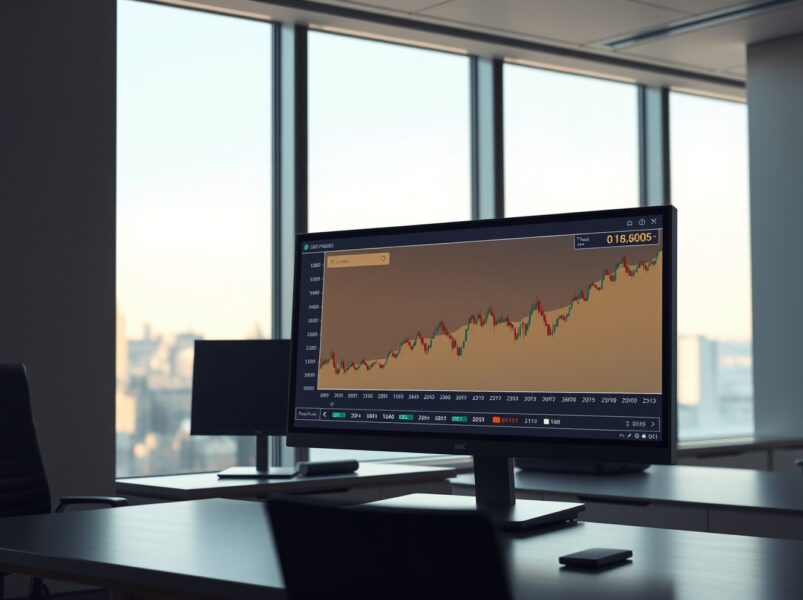
Fintech has substantially changed the game. Today, a retail trader from home can access real-time market data, scan thousands of stocks in mere seconds, and utilize algorithmic tools that were once only available to hedge funds. I can’t think of a time when the access for everyday traders has been as accessible as it is today.

That doesn’t mean the advantages are gone, because Wall Street still has resources that individuals simply can’t have. However, there is now an opportunity for everyday traders actually to compete. And that is a big deal. 

Algorithmic trading was once a tool possessed only by Wall Street. How are retail traders leveraging it?

At its core, algorithmic trading is simply telling a computer, “follow some rules for me.” Think of it as a robot assistant that will only buy or sell when the conditions of your rules are satisfied.

There is a broad spectrum of this type of trading. On one end, anyone can create a “buy after X happens” rule on a platform like TradingView. On the other hand, sophisticated systems can monitor data streams and detect opportunities in a split second, based on multiple inputs.

A common misconception about algorithmic trading is that it is the same as AI trading, but they are distinct processes. Algorithmic trading takes the rules and framework you set. AI trading also utilizes algorithms, but can translate the rules into more complex analysis and adjust them on the fly, such as by reading news sentiment.

The key point here is that this technology is no longer just for Wall Street. Now retail traders can use these tools to trade systematically and remove emotion from the equation, which opens up a paradigm shift in how people approach the markets. 

The fintech space has been growing rapidly, but regulations are starting to catch up. How do you think that will shape the industry?

Regulation is inevitable, and it has many benefits. Retail trading is an area of massive growth, and understandably, regulators step up to ensure that people are protected when a large amount of money is changing hands.

For fintech companies, that means credibility and transparency will be just as significant a component as innovating. They can’t simply roll out a flashy tool and make endless promises that users will make life-changing amounts of money or attain some unrealistic win percentage. Hopefully, the days when these platforms exist are coming to an end sooner rather than later. 

Platforms will need to demonstrate how their technology works, clearly explain the associated risks, and ensure they’re compliant.

That’s not a bad thing in my opinion. It’s going to weed out the hype products from the real ones and make companies build for the long term. The trader wins in that scenario, as it should give them more confidence in the tools they are using.

Mobile-first adoption is gaining momentum worldwide. How does that impact who gets to participate in trading?

It impacts everything. In emerging markets, such as Southeast Asia or Africa, many people have never encountered the traditional broker model and instead opt for mobile-first fintech platforms.

This opens the door for millions of new traders to participate in global markets for the first time. That means increased liquidity, diversity, and opportunity.

For platforms, the key challenge is balancing the simplicity and accessibility of their tools for beginners while still maintaining advanced functionality for expert traders. If you can nail that balance, you don’t just get more users; you create lifelong traders who continue to use your platform because they feel supported and informed.

Finally, has fintech truly leveled the playing field between retail and institutional traders, or is a significant gap still present?

Fintech is bridging the gap, but I wouldn’t say the playing field is leveled yet. Retail traders now have real-time data, algorithmic tools, and AI-based analysis, for example. All of which were once exclusive to institutions. That is a massive advancement in the last five or ten years, let’s say. 

However, institutions still have significant advantages, such as access to capital resources, entire teams dedicated to creating market research, and the ability to execute trades in milliseconds. Retail traders are unlikely to outperform or outdo institutions.

Where fintech really helps retail is efficiency. A single trader can now scan the market, process news, and identify opportunities in seconds — tasks that once required a whole team. That puts them in the game in a way they weren’t before.

The gap is smaller, but it’s still not gone. It does not even need to be gone. Retail traders can still be successful without having to trade like an institution; they just need the tools, education, and discipline to do so successfully.


Read more interviews here.  

Source: https://finbold.com/zak-westphal-interview/

Disclaimer: The articles reposted on this site are sourced from public platforms and are provided for informational purposes only. They do not necessarily reflect the views of MEXC. All rights remain with the original authors. If you believe any content infringes on third-party rights, please contact service@support.mexc.com for removal. MEXC makes no guarantees regarding the accuracy, completeness, or timeliness of the content and is not responsible for any actions taken based on the information provided. The content does not constitute financial, legal, or other professional advice, nor should it be considered a recommendation or endorsement by MEXC.

You May Also Like

U.S. Court Finds Pastor Found Guilty in $3M Crypto Scam

U.S. Court Finds Pastor Found Guilty in $3M Crypto Scam

The post U.S. Court Finds Pastor Found Guilty in $3M Crypto Scam appeared on BitcoinEthereumNews.com. Crime 18 September 2025 | 04:05 A Colorado judge has brought closure to one of the state’s most unusual cryptocurrency scandals, declaring INDXcoin to be a fraudulent operation and ordering its founders, Denver pastor Eli Regalado and his wife Kaitlyn, to repay $3.34 million. The ruling, issued by District Court Judge Heidi L. Kutcher, came nearly two years after the couple persuaded hundreds of people to invest in their token, promising safety and abundance through a Christian-branded platform called the Kingdom Wealth Exchange. The scheme ran between June 2022 and April 2023 and drew in more than 300 participants, many of them members of local church networks. Marketing materials portrayed INDXcoin as a low-risk gateway to prosperity, yet the project unraveled almost immediately. The exchange itself collapsed within 24 hours of launch, wiping out investors’ money. Despite this failure—and despite an auditor’s damning review that gave the system a “0 out of 10” for security—the Regalados kept presenting it as a solid opportunity. Colorado regulators argued that the couple’s faith-based appeal was central to the fraud. Securities Commissioner Tung Chan said the Regalados “dressed an old scam in new technology” and used their standing within the Christian community to convince people who had little knowledge of crypto. For him, the case illustrates how modern digital assets can be exploited to replicate classic Ponzi-style tactics under a different name. Court filings revealed where much of the money ended up: luxury goods, vacations, jewelry, a Range Rover, high-end clothing, and even dental procedures. In a video that drew worldwide attention earlier this year, Eli Regalado admitted the funds had been spent, explaining that a portion went to taxes while the remainder was used for a home renovation he claimed was divinely inspired. The judgment not only confirms that INDXcoin qualifies as a…
Share
BitcoinEthereumNews2025/09/18 09:14
How to earn from cloud mining: IeByte’s upgraded auto-cloud mining platform unlocks genuine passive earnings

How to earn from cloud mining: IeByte’s upgraded auto-cloud mining platform unlocks genuine passive earnings

The post How to earn from cloud mining: IeByte’s upgraded auto-cloud mining platform unlocks genuine passive earnings appeared on BitcoinEthereumNews.com. contributor Posted: September 17, 2025 As digital assets continue to reshape global finance, cloud mining has become one of the most effective ways for investors to generate stable passive income. Addressing the growing demand for simplicity, security, and profitability, IeByte has officially upgraded its fully automated cloud mining platform, empowering both beginners and experienced investors to earn Bitcoin, Dogecoin, and other mainstream cryptocurrencies without the need for hardware or technical expertise. Why cloud mining in 2025? Traditional crypto mining requires expensive hardware, high electricity costs, and constant maintenance. In 2025, with blockchain networks becoming more competitive, these barriers have grown even higher. Cloud mining solves this by allowing users to lease professional mining power remotely, eliminating the upfront costs and complexity. IeByte stands at the forefront of this transformation, offering investors a transparent and seamless path to daily earnings. IeByte’s upgraded auto-cloud mining platform With its latest upgrade, IeByte introduces: Full Automation: Mining contracts can be activated in just one click, with all processes handled by IeByte’s servers. Enhanced Security: Bank-grade encryption, cold wallets, and real-time monitoring protect every transaction. Scalable Options: From starter packages to high-level investment contracts, investors can choose the plan that matches their goals. Global Reach: Already trusted by users in over 100 countries. Mining contracts for 2025 IeByte offers a wide range of contracts tailored for every investor level. From entry-level plans with daily returns to premium high-yield packages, the platform ensures maximum accessibility. Contract Type Duration Price Daily Reward Total Earnings (Principal + Profit) Starter Contract 1 Day $200 $6 $200 + $6 + $10 bonus Bronze Basic Contract 2 Days $500 $13.5 $500 + $27 Bronze Basic Contract 3 Days $1,200 $36 $1,200 + $108 Silver Advanced Contract 1 Day $5,000 $175 $5,000 + $175 Silver Advanced Contract 2 Days $8,000 $320 $8,000 + $640 Silver…
Share
BitcoinEthereumNews2025/09/17 23:48