Ethereum co-founder Vitalik Buterin has issued a comprehensive warning about the dangers of closed technological systems, arguing that proprietary infrastructure across health, digital identity, and civic technology creates conditions for “abuse and monopolies” while concentrating power among a few players. In a September 24 blog post, Buterin outlined his vision for “full-stack openness and verifiability” spanning software, hardware, and biological systems. He argued that civilizations that produce open technology rather than merely consume it will dominate the 21st century. The warning comes as Buterin advocates for stronger “copyleft” licensing, which requires developers who build on open-source code to share their improvements. Previously supporting permissive licenses, he now believes the crypto industry has become “more competitive and mercenary,” making voluntary code sharing unreliable. His call extends beyond software to hardware verification, biological monitoring systems, and civic infrastructure. Buterin envisions a world where personal devices offer smartphone functionality with crypto wallet security while remaining as inspectable as mechanical watches. The Ethereum Foundation has backed this philosophy with a recent $500,000 donation to support Tornado Cash developer Roman Storm’s legal defense, while the Solana Policy Institute also contributed an additional $500,000. Both organizations argue that prosecuting privacy tool developers sets dangerous precedents for criminalizing open-source development. Digital Infrastructure Threatens Individual Sovereignty Buterin identified health technology as a critical battleground where proprietary systems could entrench global inequalities. According to the blog post, the COVID vaccine distribution exposed these risks when production was concentrated in a few countries, resulting in massive disparities between wealthy and developing nations.Source: Vitalik Closed-source vaccine manufacturing processes prevented equal access initiatives from scaling effectively. Meanwhile, pharmaceutical companies’ opaque safety communications have contributed to widespread mistrust, which has extended into a rejection of established science. Personal health tracking faces similar concerns as devices collect vastly more data than identification systems like Worldcoin. When this infrastructure remains proprietary, large corporations gain exclusive access to build applications, while others face API limitations and the potential for service termination. Security vulnerabilities compound these problems. Compromised health data enables blackmail over medical conditions, optimized insurance pricing extraction, and location tracking for physical threats. Brain-computer interfaces raise the stakes further, with successful attacks potentially allowing hostile actors to read or manipulate thoughts. Buterin’s proposed solution involves open-source biological monitoring equipment that communities can verify independently.Source: Vitalik This includes personal medical devices, air quality sensors, and universal airborne disease detection systems that provide transparency about data collection and processing. The approach extends to public surveillance systems where open-source, verifiable cameras and sensors could function like “digital guard dogs” rather than creating comprehensive surveillance networks. Legal frameworks would guarantee the public’s right to inspect monitoring equipment randomly. Centralized Control Undermines Democratic Innovation Taking it a step further, Buterin believes that Civic technology faces similar centralization pressures that threaten democratic participation and local innovation. Electronic voting systems have drawn criticism from security researchers for using proprietary “black box software” that prevents public verification of vote-counting processes.Source: Vitalik Real-world failures validate these concerns. Massachusetts courts invalidated large volumes of breathalyzer evidence after discovering state crime labs withheld information about widespread calibration problems. The ruling emphasized that due process requires not only fairness but also a common understanding of fairness. Buterin argued that technological efficiency gains will render purely analog systems increasingly irrelevant as people bypass slower alternatives. This creates pressure to develop secure, verifiable digital solutions rather than avoiding technology entirely. Open-source civic systems would enable local experimentation with governance innovations, such as quadratic voting, citizens’ assemblies, and sortition-based decision-making. Proprietary systems force communities to either convince companies to implement preferred features or rebuild from scratch. Physical security presents additional challenges as drone warfare makes high-tech countermeasures necessary for national defense. Proprietary security equipment creates opaque, centralized data collection, while open alternatives could limit information gathering to specific threats while deleting irrelevant data. Buterin’s comprehensive vision includes secure personal devices, encrypted messaging with formal verification, blockchain-based finance with social recovery, and open-source satellite internet infrastructure. He acknowledged that designing for verifiability imposes costs through reduced optimization opportunities and challenging business models, but argued these trade-offs remain manageable for high-security applicationsEthereum co-founder Vitalik Buterin has issued a comprehensive warning about the dangers of closed technological systems, arguing that proprietary infrastructure across health, digital identity, and civic technology creates conditions for “abuse and monopolies” while concentrating power among a few players. In a September 24 blog post, Buterin outlined his vision for “full-stack openness and verifiability” spanning software, hardware, and biological systems. He argued that civilizations that produce open technology rather than merely consume it will dominate the 21st century. The warning comes as Buterin advocates for stronger “copyleft” licensing, which requires developers who build on open-source code to share their improvements. Previously supporting permissive licenses, he now believes the crypto industry has become “more competitive and mercenary,” making voluntary code sharing unreliable. His call extends beyond software to hardware verification, biological monitoring systems, and civic infrastructure. Buterin envisions a world where personal devices offer smartphone functionality with crypto wallet security while remaining as inspectable as mechanical watches. The Ethereum Foundation has backed this philosophy with a recent $500,000 donation to support Tornado Cash developer Roman Storm’s legal defense, while the Solana Policy Institute also contributed an additional $500,000. Both organizations argue that prosecuting privacy tool developers sets dangerous precedents for criminalizing open-source development. Digital Infrastructure Threatens Individual Sovereignty Buterin identified health technology as a critical battleground where proprietary systems could entrench global inequalities. According to the blog post, the COVID vaccine distribution exposed these risks when production was concentrated in a few countries, resulting in massive disparities between wealthy and developing nations.Source: Vitalik Closed-source vaccine manufacturing processes prevented equal access initiatives from scaling effectively. Meanwhile, pharmaceutical companies’ opaque safety communications have contributed to widespread mistrust, which has extended into a rejection of established science. Personal health tracking faces similar concerns as devices collect vastly more data than identification systems like Worldcoin. When this infrastructure remains proprietary, large corporations gain exclusive access to build applications, while others face API limitations and the potential for service termination. Security vulnerabilities compound these problems. Compromised health data enables blackmail over medical conditions, optimized insurance pricing extraction, and location tracking for physical threats. Brain-computer interfaces raise the stakes further, with successful attacks potentially allowing hostile actors to read or manipulate thoughts. Buterin’s proposed solution involves open-source biological monitoring equipment that communities can verify independently.Source: Vitalik This includes personal medical devices, air quality sensors, and universal airborne disease detection systems that provide transparency about data collection and processing. The approach extends to public surveillance systems where open-source, verifiable cameras and sensors could function like “digital guard dogs” rather than creating comprehensive surveillance networks. Legal frameworks would guarantee the public’s right to inspect monitoring equipment randomly. Centralized Control Undermines Democratic Innovation Taking it a step further, Buterin believes that Civic technology faces similar centralization pressures that threaten democratic participation and local innovation. Electronic voting systems have drawn criticism from security researchers for using proprietary “black box software” that prevents public verification of vote-counting processes.Source: Vitalik Real-world failures validate these concerns. Massachusetts courts invalidated large volumes of breathalyzer evidence after discovering state crime labs withheld information about widespread calibration problems. The ruling emphasized that due process requires not only fairness but also a common understanding of fairness. Buterin argued that technological efficiency gains will render purely analog systems increasingly irrelevant as people bypass slower alternatives. This creates pressure to develop secure, verifiable digital solutions rather than avoiding technology entirely. Open-source civic systems would enable local experimentation with governance innovations, such as quadratic voting, citizens’ assemblies, and sortition-based decision-making. Proprietary systems force communities to either convince companies to implement preferred features or rebuild from scratch. Physical security presents additional challenges as drone warfare makes high-tech countermeasures necessary for national defense. Proprietary security equipment creates opaque, centralized data collection, while open alternatives could limit information gathering to specific threats while deleting irrelevant data. Buterin’s comprehensive vision includes secure personal devices, encrypted messaging with formal verification, blockchain-based finance with social recovery, and open-source satellite internet infrastructure. He acknowledged that designing for verifiability imposes costs through reduced optimization opportunities and challenging business models, but argued these trade-offs remain manageable for high-security applications

Ethereum Co-Founder Warns Closed Systems Breed ‘Abuse and Monopolies,’ Calls for Open-Source in Key Sectors

Ethereum co-founder Vitalik Buterin has issued a comprehensive warning about the dangers of closed technological systems, arguing that proprietary infrastructure across health, digital identity, and civic technology creates conditions for “abuse and monopolies” while concentrating power among a few players.

In a September 24 blog post, Buterin outlined his vision for “full-stack openness and verifiability” spanning software, hardware, and biological systems.

He argued that civilizations that produce open technology rather than merely consume it will dominate the 21st century.

The warning comes as Buterin advocates for stronger “copyleft” licensing, which requires developers who build on open-source code to share their improvements.

Previously supporting permissive licenses, he now believes the crypto industry has become “more competitive and mercenary,” making voluntary code sharing unreliable.

His call extends beyond software to hardware verification, biological monitoring systems, and civic infrastructure.

Buterin envisions a world where personal devices offer smartphone functionality with crypto wallet security while remaining as inspectable as mechanical watches.

The Ethereum Foundation has backed this philosophy with a recent $500,000 donation to support Tornado Cash developer Roman Storm’s legal defense, while the Solana Policy Institute also contributed an additional $500,000.

Both organizations argue that prosecuting privacy tool developers sets dangerous precedents for criminalizing open-source development.

Digital Infrastructure Threatens Individual Sovereignty

Buterin identified health technology as a critical battleground where proprietary systems could entrench global inequalities.

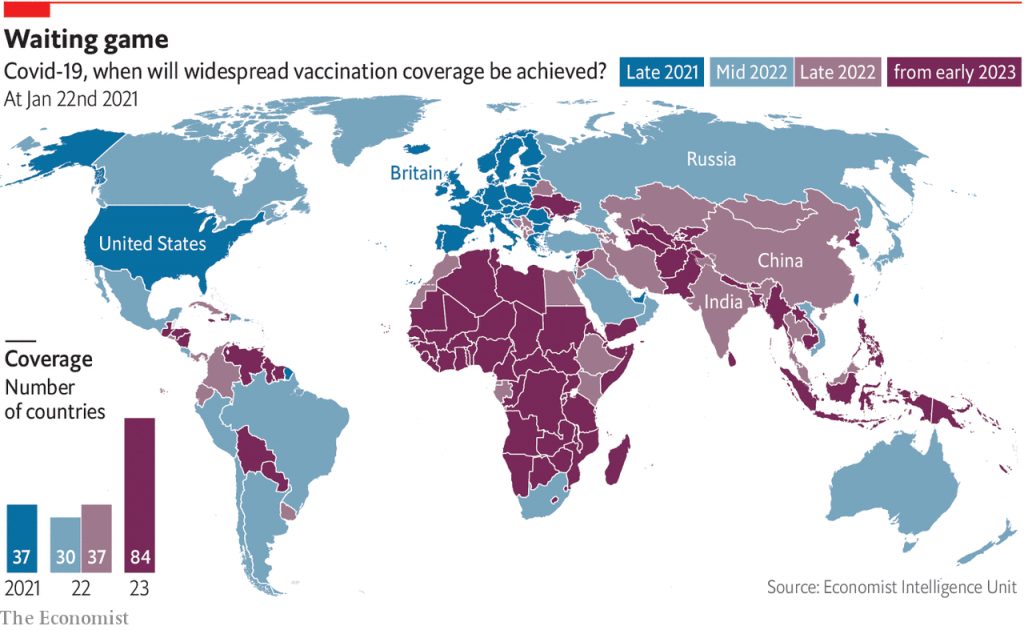
According to the blog post, the COVID vaccine distribution exposed these risks when production was concentrated in a few countries, resulting in massive disparities between wealthy and developing nations.
Ethereum Founder Warns Closed Systems Breed 'Abuse and Monopolies,' Calls for Open-Source in Key SectorsSource: Vitalik

Closed-source vaccine manufacturing processes prevented equal access initiatives from scaling effectively.

Meanwhile, pharmaceutical companies’ opaque safety communications have contributed to widespread mistrust, which has extended into a rejection of established science.

Personal health tracking faces similar concerns as devices collect vastly more data than identification systems like Worldcoin.

When this infrastructure remains proprietary, large corporations gain exclusive access to build applications, while others face API limitations and the potential for service termination.

Security vulnerabilities compound these problems. Compromised health data enables blackmail over medical conditions, optimized insurance pricing extraction, and location tracking for physical threats.

Brain-computer interfaces raise the stakes further, with successful attacks potentially allowing hostile actors to read or manipulate thoughts.

Buterin’s proposed solution involves open-source biological monitoring equipment that communities can verify independently.

Ethereum Founder Warns Closed Systems Breed 'Abuse and Monopolies,' Calls for Open-Source in Key SectorsSource: Vitalik

This includes personal medical devices, air quality sensors, and universal airborne disease detection systems that provide transparency about data collection and processing.

The approach extends to public surveillance systems where open-source, verifiable cameras and sensors could function like “digital guard dogs” rather than creating comprehensive surveillance networks.

Legal frameworks would guarantee the public’s right to inspect monitoring equipment randomly.

Centralized Control Undermines Democratic Innovation

Taking it a step further, Buterin believes that Civic technology faces similar centralization pressures that threaten democratic participation and local innovation.

Electronic voting systems have drawn criticism from security researchers for using proprietary “black box software” that prevents public verification of vote-counting processes.

Ethereum Founder Warns Closed Systems Breed 'Abuse and Monopolies,' Calls for Open-Source in Key SectorsSource: Vitalik

Real-world failures validate these concerns. Massachusetts courts invalidated large volumes of breathalyzer evidence after discovering state crime labs withheld information about widespread calibration problems.

The ruling emphasized that due process requires not only fairness but also a common understanding of fairness.

Buterin argued that technological efficiency gains will render purely analog systems increasingly irrelevant as people bypass slower alternatives.

This creates pressure to develop secure, verifiable digital solutions rather than avoiding technology entirely.

Open-source civic systems would enable local experimentation with governance innovations, such as quadratic voting, citizens’ assemblies, and sortition-based decision-making.

Proprietary systems force communities to either convince companies to implement preferred features or rebuild from scratch.

Physical security presents additional challenges as drone warfare makes high-tech countermeasures necessary for national defense.

Proprietary security equipment creates opaque, centralized data collection, while open alternatives could limit information gathering to specific threats while deleting irrelevant data.

Buterin’s comprehensive vision includes secure personal devices, encrypted messaging with formal verification, blockchain-based finance with social recovery, and open-source satellite internet infrastructure.

He acknowledged that designing for verifiability imposes costs through reduced optimization opportunities and challenging business models, but argued these trade-offs remain manageable for high-security applications.


Market Opportunity
OpenLedger Logo
OpenLedger Price(OPEN)
$0.15462
$0.15462$0.15462
-0.21%
USD
OpenLedger (OPEN) Live Price Chart
Disclaimer: The articles reposted on this site are sourced from public platforms and are provided for informational purposes only. They do not necessarily reflect the views of MEXC. All rights remain with the original authors. If you believe any content infringes on third-party rights, please contact service@support.mexc.com for removal. MEXC makes no guarantees regarding the accuracy, completeness, or timeliness of the content and is not responsible for any actions taken based on the information provided. The content does not constitute financial, legal, or other professional advice, nor should it be considered a recommendation or endorsement by MEXC.

You May Also Like

MAXI DOGE Holders Diversify into $GGs for Fast-Growth 2025 Crypto Presale Opportunities

MAXI DOGE Holders Diversify into $GGs for Fast-Growth 2025 Crypto Presale Opportunities

Presale crypto tokens have become some of the most active areas in Web3, offering early access to projects that blend culture, finance, and technology. Investors are constantly searching for the best crypto presale to buy right now, comparing new token presales across different niches. MAXI DOGE has gained attention for its meme-driven energy, but early [...] The post MAXI DOGE Holders Diversify into $GGs for Fast-Growth 2025 Crypto Presale Opportunities appeared first on Blockonomi.
Share
Blockonomi2025/09/18 00:00
UK crypto holders brace for FCA’s expanded regulatory reach

UK crypto holders brace for FCA’s expanded regulatory reach

The post UK crypto holders brace for FCA’s expanded regulatory reach appeared on BitcoinEthereumNews.com. British crypto holders may soon face a very different landscape as the Financial Conduct Authority (FCA) moves to expand its regulatory reach in the industry. A new consultation paper outlines how the watchdog intends to apply its rulebook to crypto firms, shaping everything from asset safeguarding to trading platform operation. According to the financial regulator, these proposals would translate into clearer protections for retail investors and stricter oversight of crypto firms. UK FCA plans Until now, UK crypto users mostly encountered the FCA through rules on promotions and anti-money laundering checks. The consultation paper goes much further. It proposes direct oversight of stablecoin issuers, custodians, and crypto-asset trading platforms (CATPs). For investors, that means the wallets, exchanges, and coins they rely on could soon be subject to the same governance and resilience standards as traditional financial institutions. The regulator has also clarified that firms need official authorization before serving customers. This condition should, in theory, reduce the risk of sudden platform failures or unclear accountability. David Geale, the FCA’s executive director of payments and digital finance, said the proposals are designed to strike a balance between innovation and protection. He explained: “We want to develop a sustainable and competitive crypto sector – balancing innovation, market integrity and trust.” Geale noted that while the rules will not eliminate investment risks, they will create consistent standards, helping consumers understand what to expect from registered firms. Why does this matter for crypto holders? The UK regulatory framework shift would provide safer custody of assets, better disclosure of risks, and clearer recourse if something goes wrong. However, the regulator was also frank in its submission, arguing that no rulebook can eliminate the volatility or inherent risks of holding digital assets. Instead, the focus is on ensuring that when consumers choose to invest, they do…
Share
BitcoinEthereumNews2025/09/17 23:52
Bank of Canada cuts rate to 2.5% as tariffs and weak hiring hit economy

Bank of Canada cuts rate to 2.5% as tariffs and weak hiring hit economy

The Bank of Canada lowered its overnight rate to 2.5% on Wednesday, responding to mounting economic damage from US tariffs and a slowdown in hiring. The quarter-point cut was the first since March and met predictions from markets and economists. Governor Tiff Macklem, speaking in Ottawa, said the decision was unanimous. “With a weaker economy […]
Share
Cryptopolitan2025/09/17 23:09