The post WTI rebounds as Gaza peace and US-China trade hopes lift sentiment appeared on BitcoinEthereumNews.com. West Texas Intermediate (WTI) Crude Oil stabilizes on Monday after a bruising week that saw prices tumble to their lowest level since May, briefly touching $57.89 per barrel. At the time of writing, the US benchmark trades near $59.36, up nearly 2.50% on the day, as short-covering and hopes of a potential de-escalation in US-China trade tensions offered modest relief to energy markets. The rebound comes after a sharp sell-off driven by oversupply concerns and the fading geopolitical risk premium. On Monday, US President Donald Trump declared the Gaza war “over” during a speech to the Israeli Knesset, confirming that all remaining hostages have been released and that a new phase of the US-brokered Gaza peace plan will begin this week. The announcement follows reports of a full ceasefire and prisoner exchanges between Israel and Hamas, with an international summit planned in Egypt to finalize security guarantees. Market sentiment also drew support from signs that Washington and Beijing may resume trade discussions after last week’s escalation in tariff rhetoric. US Treasury Secretary Scott Bessent confirmed that President Trump and Xi Jinping still plan to meet this month at the APEC forum, citing “substantial communication” over the weekend. Meanwhile, Beijing pushed back against Washington’s threat of 100% tariffs by defending its rare-earth export curbs as a national security measure, even as it called for dialogue and urged the US to “correct” its policies. Meanwhile, the Organization of the Petroleum Exporting Countries (OPEC) released its October Monthly Oil Market Report earlier on Monday, keeping its 2025 global Oil demand growth forecast unchanged at 1.3 million barrels per day. The group reported that OPEC+ crude production rose by 630,000 barrels per day in September to an average of 43.05 million bpd, while the Organisation for Economic Co-operation and Development (OECD) inventories remained about… The post WTI rebounds as Gaza peace and US-China trade hopes lift sentiment appeared on BitcoinEthereumNews.com. West Texas Intermediate (WTI) Crude Oil stabilizes on Monday after a bruising week that saw prices tumble to their lowest level since May, briefly touching $57.89 per barrel. At the time of writing, the US benchmark trades near $59.36, up nearly 2.50% on the day, as short-covering and hopes of a potential de-escalation in US-China trade tensions offered modest relief to energy markets. The rebound comes after a sharp sell-off driven by oversupply concerns and the fading geopolitical risk premium. On Monday, US President Donald Trump declared the Gaza war “over” during a speech to the Israeli Knesset, confirming that all remaining hostages have been released and that a new phase of the US-brokered Gaza peace plan will begin this week. The announcement follows reports of a full ceasefire and prisoner exchanges between Israel and Hamas, with an international summit planned in Egypt to finalize security guarantees. Market sentiment also drew support from signs that Washington and Beijing may resume trade discussions after last week’s escalation in tariff rhetoric. US Treasury Secretary Scott Bessent confirmed that President Trump and Xi Jinping still plan to meet this month at the APEC forum, citing “substantial communication” over the weekend. Meanwhile, Beijing pushed back against Washington’s threat of 100% tariffs by defending its rare-earth export curbs as a national security measure, even as it called for dialogue and urged the US to “correct” its policies. Meanwhile, the Organization of the Petroleum Exporting Countries (OPEC) released its October Monthly Oil Market Report earlier on Monday, keeping its 2025 global Oil demand growth forecast unchanged at 1.3 million barrels per day. The group reported that OPEC+ crude production rose by 630,000 barrels per day in September to an average of 43.05 million bpd, while the Organisation for Economic Co-operation and Development (OECD) inventories remained about…

WTI rebounds as Gaza peace and US-China trade hopes lift sentiment

West Texas Intermediate (WTI) Crude Oil stabilizes on Monday after a bruising week that saw prices tumble to their lowest level since May, briefly touching $57.89 per barrel. At the time of writing, the US benchmark trades near $59.36, up nearly 2.50% on the day, as short-covering and hopes of a potential de-escalation in US-China trade tensions offered modest relief to energy markets.

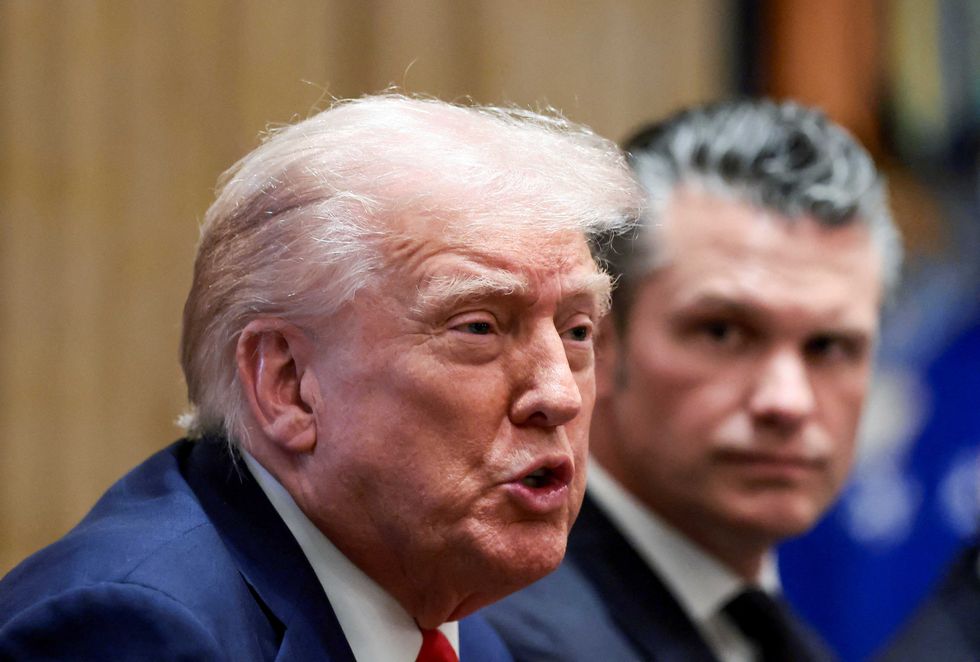
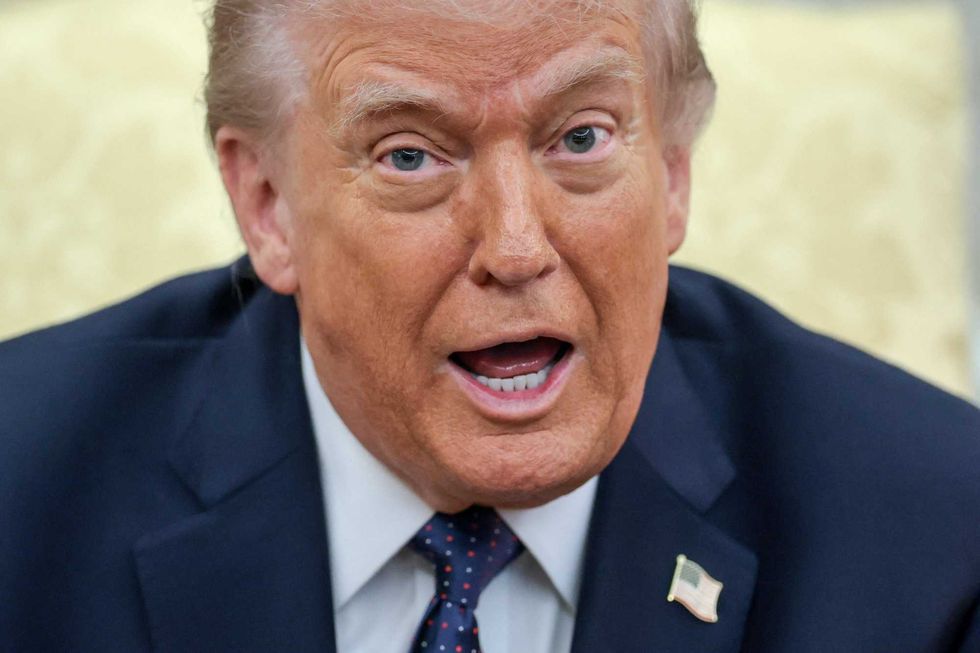
The rebound comes after a sharp sell-off driven by oversupply concerns and the fading geopolitical risk premium. On Monday, US President Donald Trump declared the Gaza war “over” during a speech to the Israeli Knesset, confirming that all remaining hostages have been released and that a new phase of the US-brokered Gaza peace plan will begin this week. The announcement follows reports of a full ceasefire and prisoner exchanges between Israel and Hamas, with an international summit planned in Egypt to finalize security guarantees.

Market sentiment also drew support from signs that Washington and Beijing may resume trade discussions after last week’s escalation in tariff rhetoric. US Treasury Secretary Scott Bessent confirmed that President Trump and Xi Jinping still plan to meet this month at the APEC forum, citing “substantial communication” over the weekend. Meanwhile, Beijing pushed back against Washington’s threat of 100% tariffs by defending its rare-earth export curbs as a national security measure, even as it called for dialogue and urged the US to “correct” its policies.

Meanwhile, the Organization of the Petroleum Exporting Countries (OPEC) released its October Monthly Oil Market Report earlier on Monday, keeping its 2025 global Oil demand growth forecast unchanged at 1.3 million barrels per day. The group reported that OPEC+ crude production rose by 630,000 barrels per day in September to an average of 43.05 million bpd, while the Organisation for Economic Co-operation and Development (OECD) inventories remained about 92 million barrels below their five-year average. The report underscored a broadly balanced outlook for 2026, suggesting that rising supply from OPEC+ and non-OPEC producers may balance steady demand growth in the months ahead.

WTI Oil FAQs

WTI Oil is a type of Crude Oil sold on international markets. The WTI stands for West Texas Intermediate, one of three major types including Brent and Dubai Crude. WTI is also referred to as “light” and “sweet” because of its relatively low gravity and sulfur content respectively. It is considered a high quality Oil that is easily refined. It is sourced in the United States and distributed via the Cushing hub, which is considered “The Pipeline Crossroads of the World”. It is a benchmark for the Oil market and WTI price is frequently quoted in the media.

Like all assets, supply and demand are the key drivers of WTI Oil price. As such, global growth can be a driver of increased demand and vice versa for weak global growth. Political instability, wars, and sanctions can disrupt supply and impact prices. The decisions of OPEC, a group of major Oil-producing countries, is another key driver of price. The value of the US Dollar influences the price of WTI Crude Oil, since Oil is predominantly traded in US Dollars, thus a weaker US Dollar can make Oil more affordable and vice versa.

The weekly Oil inventory reports published by the American Petroleum Institute (API) and the Energy Information Agency (EIA) impact the price of WTI Oil. Changes in inventories reflect fluctuating supply and demand. If the data shows a drop in inventories it can indicate increased demand, pushing up Oil price. Higher inventories can reflect increased supply, pushing down prices. API’s report is published every Tuesday and EIA’s the day after. Their results are usually similar, falling within 1% of each other 75% of the time. The EIA data is considered more reliable, since it is a government agency.

OPEC (Organization of the Petroleum Exporting Countries) is a group of 12 Oil-producing nations who collectively decide production quotas for member countries at twice-yearly meetings. Their decisions often impact WTI Oil prices. When OPEC decides to lower quotas, it can tighten supply, pushing up Oil prices. When OPEC increases production, it has the opposite effect. OPEC+ refers to an expanded group that includes ten extra non-OPEC members, the most notable of which is Russia.

Source: https://www.fxstreet.com/news/wti-rebounds-as-gaza-peace-and-us-china-trade-hopes-lift-sentiment-202510131507
Market Opportunity
Polytrade Logo
Polytrade Price(TRADE)
$0.05131
$0.05131$0.05131
+2.45%
USD
Polytrade (TRADE) Live Price Chart
Disclaimer: The articles reposted on this site are sourced from public platforms and are provided for informational purposes only. They do not necessarily reflect the views of MEXC. All rights remain with the original authors. If you believe any content infringes on third-party rights, please contact service@support.mexc.com for removal. MEXC makes no guarantees regarding the accuracy, completeness, or timeliness of the content and is not responsible for any actions taken based on the information provided. The content does not constitute financial, legal, or other professional advice, nor should it be considered a recommendation or endorsement by MEXC.

You May Also Like

Momentous Grayscale ETF: GDLC Fund’s Historic Conversion Set to Trade Tomorrow

Momentous Grayscale ETF: GDLC Fund’s Historic Conversion Set to Trade Tomorrow

BitcoinWorld Momentous Grayscale ETF: GDLC Fund’s Historic Conversion Set to Trade Tomorrow Get ready for a significant shift in the world of digital asset investing! A truly momentous event is unfolding as Grayscale’s Digital Large Cap Fund (GDLC) makes its highly anticipated transition into a spot crypto exchange-traded fund. This isn’t just a name change; it’s a pivotal moment for the broader cryptocurrency market, bringing a new era of accessibility and institutional participation through the Grayscale ETF. What’s Happening with the Grayscale ETF Conversion? Tomorrow marks a historic day for Grayscale’s Digital Large Cap Fund (GDLC). This existing spot crypto basket is officially scheduled to begin trading under its new identity: the Grayscale CoinDesk Crypto5 ETF. This exciting development comes directly after the U.S. Securities and Exchange Commission (SEC) gave its stamp of approval to Grayscale’s application for this conversion. As Bloomberg ETF analyst Eric Balchunas highlighted, this move has been keenly watched. The approval and subsequent launch underscore a growing acceptance of crypto-backed financial products within traditional markets. For investors, this conversion of the Grayscale ETF represents a more streamlined and regulated way to gain exposure to a diversified basket of large-cap digital assets. Why is the Grayscale ETF a Game-Changer for Investors? The conversion of GDLC into a Grayscale ETF offers several compelling benefits, fundamentally changing how investors can access the crypto market. Firstly, ETFs are known for their ease of trading. They can be bought and sold on traditional stock exchanges, just like company shares, making them incredibly accessible to a wider range of investors who might be hesitant to directly hold cryptocurrencies. Consider these key advantages: Enhanced Accessibility: Investors can gain exposure to a diversified crypto portfolio without needing to set up crypto wallets or manage private keys. Increased Liquidity: Trading on major exchanges typically means higher liquidity, allowing for easier entry and exit points. Regulatory Oversight: As an SEC-approved product, the Grayscale ETF operates under a regulated framework, potentially offering greater investor protection and confidence. Diversification: The Grayscale CoinDesk Crypto5 ETF tracks a basket of large-cap cryptocurrencies, offering immediate diversification rather than exposure to a single asset. This development is a strong indicator of the maturation of the digital asset space. It signals a bridge between the innovative world of crypto and the established financial system. Navigating the New Grayscale ETF Landscape While the launch of the Grayscale CoinDesk Crypto5 ETF brings exciting opportunities, it’s also important for investors to understand its implications. The shift from a closed-end fund structure (GDLC) to an open-ended ETF means that the fund’s shares can now be created and redeemed daily. This mechanism helps keep the ETF’s market price closely aligned with the net asset value (NAV) of its underlying holdings. Historically, closed-end funds like GDLC could trade at significant premiums or discounts to their NAV. The ETF structure is designed to mitigate these discrepancies, providing a more efficient pricing mechanism. This change offers a more transparent and potentially less volatile investment experience for those looking to invest in a Grayscale ETF. What’s Next for Crypto ETFs and Grayscale? The successful conversion and launch of the Grayscale CoinDesk Crypto5 ETF could pave the way for similar transformations of other Grayscale products. It also sets a precedent for how existing crypto investment vehicles might evolve to meet market demand for regulated, accessible products. The increasing number of spot crypto ETFs, including this new Grayscale ETF, reflects a growing institutional appetite for digital assets. This trend suggests a future where cryptocurrency investing becomes an even more integrated part of mainstream financial portfolios. As regulatory clarity continues to improve, we can anticipate further innovation and expansion in the crypto ETF landscape, offering investors diverse options to participate in the digital economy. The launch of the Grayscale CoinDesk Crypto5 ETF is more than just a new product; it’s a testament to the persistent efforts to bring digital assets into the mainstream financial fold. By offering a regulated, accessible, and diversified investment vehicle, Grayscale is not only expanding opportunities for investors but also reinforcing the legitimacy and staying power of the crypto market. This momentous step truly reshapes the investment landscape, making it easier for a broader audience to engage with the exciting potential of cryptocurrencies through a trusted Grayscale ETF. Frequently Asked Questions (FAQs) What is the Grayscale CoinDesk Crypto5 ETF? The Grayscale CoinDesk Crypto5 ETF is the new name and structure for Grayscale’s former Digital Large Cap Fund (GDLC). It’s a spot crypto basket that holds a diversified portfolio of large-cap digital assets, now trading as an exchange-traded fund. When will the Grayscale ETF begin trading? The Grayscale CoinDesk Crypto5 ETF is scheduled to begin trading tomorrow, following its approval by the U.S. Securities and Exchange Commission (SEC). How does an ETF differ from the previous GDLC fund? As an ETF, the fund’s shares can be created and redeemed daily, which helps keep its market price closely aligned with the value of its underlying assets. The previous GDLC fund was a closed-end fund that could trade at significant premiums or discounts to its net asset value. What are the benefits of investing in the Grayscale ETF? Benefits include enhanced accessibility (trading on traditional exchanges), increased liquidity, regulatory oversight by the SEC, and immediate diversification into a basket of large-cap cryptocurrencies. Is the Grayscale ETF suitable for all investors? While the Grayscale ETF offers a regulated and accessible way to invest in crypto, all investments carry risks. Investors should conduct their own research and consider their financial goals and risk tolerance before investing in any ETF, including this Grayscale ETF. Did you find this article informative? Share this exciting news about the Grayscale ETF conversion with your friends, family, and fellow investors on social media to keep them informed about the latest developments in the crypto world! To learn more about the latest crypto market trends, explore our article on key developments shaping Bitcoin and Ethereum price action. This post Momentous Grayscale ETF: GDLC Fund’s Historic Conversion Set to Trade Tomorrow first appeared on BitcoinWorld.
Share
Coinstats2025/09/19 17:45
Trump Crypto Adviser Urges Bipartisan Support After Senate Committee Unveils Partisan Crypto Bill

Trump Crypto Adviser Urges Bipartisan Support After Senate Committee Unveils Partisan Crypto Bill

The post Trump Crypto Adviser Urges Bipartisan Support After Senate Committee Unveils Partisan Crypto Bill appeared on BitcoinEthereumNews.com. White House crypto
Share
BitcoinEthereumNews2026/01/23 04:26
Headwind Helps Best Wallet Token

Headwind Helps Best Wallet Token

The post Headwind Helps Best Wallet Token appeared on BitcoinEthereumNews.com. Google has announced the launch of a new open-source protocol called Agent Payments Protocol (AP2) in partnership with Coinbase, the Ethereum Foundation, and 60 other organizations. This allows AI agents to make payments on behalf of users using various methods such as real-time bank transfers, credit and debit cards, and, most importantly, stablecoins. Let’s explore in detail what this could mean for the broader cryptocurrency markets, and also highlight a presale crypto (Best Wallet Token) that could explode as a result of this development. Google’s Push for Stablecoins Agent Payments Protocol (AP2) uses digital contracts known as ‘Intent Mandates’ and ‘Verifiable Credentials’ to ensure that AI agents undertake only those payments authorized by the user. Mandates, by the way, are cryptographically signed, tamper-proof digital contracts that act as verifiable proof of a user’s instruction. For example, let’s say you instruct an AI agent to never spend more than $200 in a single transaction. This instruction is written into an Intent Mandate, which serves as a digital contract. Now, whenever the AI agent tries to make a payment, it must present this mandate as proof of authorization, which will then be verified via the AP2 protocol. Alongside this, Google has also launched the A2A x402 extension to accelerate support for the Web3 ecosystem. This production-ready solution enables agent-based crypto payments and will help reshape the growth of cryptocurrency integration within the AP2 protocol. Google’s inclusion of stablecoins in AP2 is a massive vote of confidence in dollar-pegged cryptocurrencies and a huge step toward making them a mainstream payment option. This widens stablecoin usage beyond trading and speculation, positioning them at the center of the consumption economy. The recent enactment of the GENIUS Act in the U.S. gives stablecoins more structure and legal support. Imagine paying for things like data crawls, per-task…
Share
BitcoinEthereumNews2025/09/18 01:27