

From Uber to Bitcoin Empire: How BitDriver Became a Symbol of Real Adoption
- A former bank employee built a 21-person transportation company by strategically deciding to accept Bitcoin payments from tourists.
- Osorio’s first customer was John Dennehy, founder of Mi Primer Bitcoin, linking education directly to business adoption success.
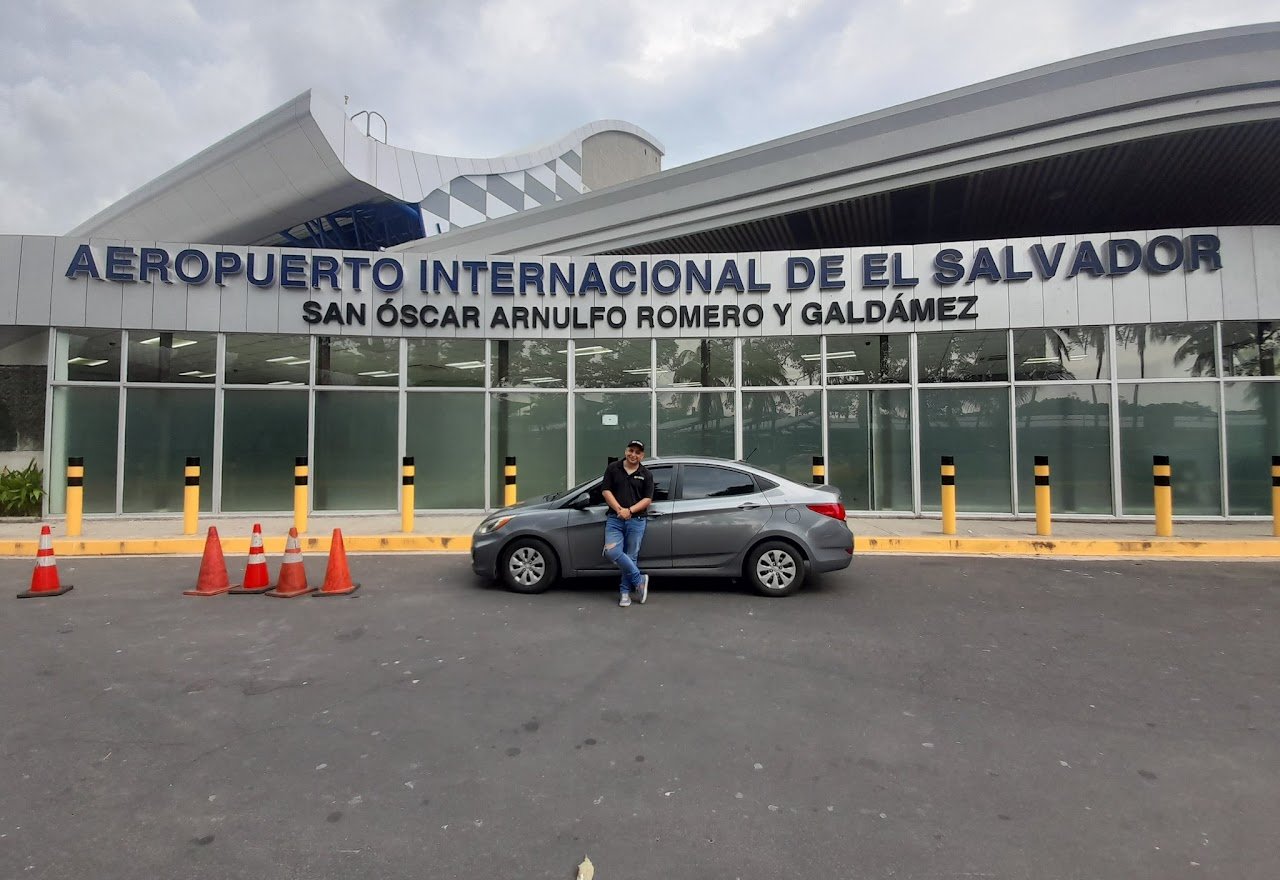
Napoleón Osorio spent thirteen years as a bank employee before facing unemployment in 2019. This circumstance led him to drive a vehicle for Uber in San Salvador, the capital of El Salvador. What appeared as a detour in his professional path became the foundation for his own enterprise.
 Source: wbit-driver.com
He founded BitDriver, a transportation and tourism company that currently provides employment for twenty-one people. The origin of this business traces back to a single decision: accepting Bitcoin as a form of payment.
During the “Acelerando Bitcoin” conference held in Asunción, Paraguay, Osorio shared the details of his journey. Osorio encountered someone through the increased tourism in El Salvador following the news of the country’s Bitcoin adoption. A foreigner requested his Uber service and explained Bitcoin to him during the ride. He immediately grasped the concept, received a first lesson, and decided that was the path for him.
With that initial conviction, Osorio made a decision that proved to be a marketing masterstroke and a statement of principle. He announced: “Napoleón Osorio, airport transfers in San Salvador, accepts Bitcoin.” People began contacting him one after another throughout 2021. What started as a one-person service quickly became overwhelmed by the influx of customers. Tourists, investors, and the curious arriving in El Salvador sought to experience the circular economy of the crypto currency from their very first moment in the country.
Building a Corporate Structure from a Personal Service
The initial solo operation soon required reinforcement. Osorio stated that two more friends joined him, and they began the venture together. At the start, the team consisted of just him and his two companions. The operation has since grown significantly. BitDriver now employs twenty-one drivers and has expanded its services to include vehicle rentals and tourism packages. The company is legally incorporated in El Salvador, a point Osorio communicates with evident pride.
His focus was purely strategic at the beginning. He simply saw a new payment method and recognized an opportunity, reasoning that nobody else in El Salvador would be doing it. He knew that when foreigners arrived, their first desire would be to experience making payments with Bitcoin.
He explains that in El Salvador, a common phrase translates to living hand-to-mouth. People use what they earn today to eat today and then again tomorrow, operating on a day-to-day basis. This mindset, combined with concerns about price volatility and a general lack of knowledge, created a natural rejection of the crypto currency. While others hesitated and raised objections about volatility, Osorio saw a clear advantage.
The Educational Link and a Shift in User Behavior
The first customer who taught him about Bitcoin and ignited his personal revolution is a key figure in El Salvador’s educational landscape. Osorio reveals that this person was John Dennehy, the founder of “Mi Primer Bitcoin.” This connection further solidified his path. Osorio also became the first student of “Mi Primer Bitcoin.” After being their first student, he became the first person originating from that educational initiative to establish a business based on Bitcoin.
From his position on the front line of the Bitcoin economy, Osorio has had a privileged view of usage trends for the crypto asset. He notes an interesting shift in his clients’ behavior. He provided specific statistics from his company’s records. The previous year, approximately 95% of payments were made in Bitcoin, with only 5% in cash or card.
Now, according to the data they maintain, 55% of payments are in Bitcoin, and the other 45% are in cash and card. Osorio interprets this change as people choosing to hold onto their Bitcoin more, aligning with the growing narrative of Bitcoin as a store of value.
Regarding the status of adoption in El Salvador, especially after the changes in the law’s implementation, it appears to be strengthening organically, developing from the ground up rather than being driven solely by government regulation. The practical use within the local economy continues to evolve based on real utility and user demand.
]]>

You May Also Like
Arbitrum Announces Ten Innovative Teams — And Why It’s Not Just Hype
Cathie Wood’s ARK Invest Buys $13.7M in Circle Shares While Selling Robinhood Stock

The changing face of elder care in Malaysia — Sayed Mohammad Reza Yamani Sayed Umar



