Ethereum co-founder Vitalik Buterin issued a stark reminder that while blockchain security prevents even a majority of validator collusion from stealing on-chain assets, this protection vanishes completely when users trust validators with off-chain tasks. He noted that if 51% of validators collude or fall victim to software bugs, they cannot steal assets stored on-chain, but this ironclad protection vanishes the moment users trust validators with tasks beyond the blockchain’s direct control. The warning particularly highlights a critical but often misunderstood boundary in blockchain architecture. While on-chain funds remain cryptographically protected even under majority-attacker attacks, any off-chain activity that relies on validator honesty leaves users vulnerable to manipulation with no recourse. The Security Boundary Blockchain Can’t Cross Blockchain protocols enforce strict validation rules that every node independently verifies by checking transaction signatures, preventing double-spending, and ensuring that state transitions follow the protocol logic. This decentralized verification means colluding validators cannot forge transactions or create invalid blocks that steal user funds. The system’s distributed nature ensures that even majority control cannot override these fundamental safeguards.Source: EMLearning However, this protection breaks down when validators handle off-chain tasks like oracle data feeds, governance decisions, or restaking services. These activities fall outside the blockchain’s algorithmic enforcement and rely instead on validator honesty. A colluding majority could provide false data or manipulated outcomes without the cryptographic proofs that protect on-chain transactions. Users affected by such off-chain collusion have no automatic dispute-resolution or recovery mechanism. The blockchain cannot verify or contest decisions made beyond its consensus layer, leaving victims without the recourse that makes on-chain assets fundamentally secure. Why Off-Chain Trust Amplifies Risk Traditional blockchain verification requires computers to perform 100 times as much work as the original calculation. However, when users move funds off-chain, through custodial wallets, centralized exchanges, or validator-controlled computations, they surrender the blockchain’s built-in protections. Off-chain systems lack the independent verification that every on-chain node provides, leaving them vulnerable to majority validator manipulation. The distinction matters because blockchain consensus operates through algorithmic rule enforcement that no single party controls.Source: B2BINPAY Off-chain activities depend on coordinated behavior and validator integrity, but not on protocol-level verification. Smart contracts that rely on validator-provided oracle data could yield incorrect outcomes if a majority colludes to report false information, potentially causing financial losses that on-chain mechanisms cannot prevent or reverse. When asked whether his warning referenced restaking protocols like EigenLayer, Buterin confirmed the platform addresses this vulnerability through slashing mechanisms using its own token. This economic penalty system provides some protection but cannot match the cryptographic guarantees that secure on-chain block validity against majority attacks. Balancing Privacy with Blockchain’s Transparency Shield Buterin’s security reminder comes as Ethereum pursues major privacy improvements that are different from the network’s traditionally transparent nature. Earlier this month, he detailed GKR, a cryptographic technique that verifies calculations 10 times faster than traditional methods while enabling zero-knowledge proofs, allowing computers to prove calculations are correct without revealing the underlying data. The Ethereum Foundation also launched a 47-member Privacy Cluster in September to make network privacy default rather than optional, addressing concerns that public blockchains expose too much financial information. Aside from enterprise demand, Vitalik sees it as the only way to global adoption, especially for Ethereum. Just recently, while speaking with Cryptonews, industry expert Petro Golovko compared current blockchain transparency to the pre-encryption internet era, arguing that systems exposing salaries and account balances remain “unusable for regular people and impossible for institutions.” The initiative aims to enable private transactions, selective identity disclosure, and improved user privacy experience without sacrificing the verification mechanisms that prevent validator manipulation. However, the privacy push creates an apparent paradox. If transactions become private, how can the network maintain the transparent verification that protects against off-chain manipulation, Buterin warned about? The solution lies in cryptographic techniques like GKR that allow verification of transaction validity without exposing transaction details, preserving the blockchain’s core security property where invalid blocks remain rejected even under majority attacks, while shielding sensitive financial data from public viewEthereum co-founder Vitalik Buterin issued a stark reminder that while blockchain security prevents even a majority of validator collusion from stealing on-chain assets, this protection vanishes completely when users trust validators with off-chain tasks. He noted that if 51% of validators collude or fall victim to software bugs, they cannot steal assets stored on-chain, but this ironclad protection vanishes the moment users trust validators with tasks beyond the blockchain’s direct control. The warning particularly highlights a critical but often misunderstood boundary in blockchain architecture. While on-chain funds remain cryptographically protected even under majority-attacker attacks, any off-chain activity that relies on validator honesty leaves users vulnerable to manipulation with no recourse. The Security Boundary Blockchain Can’t Cross Blockchain protocols enforce strict validation rules that every node independently verifies by checking transaction signatures, preventing double-spending, and ensuring that state transitions follow the protocol logic. This decentralized verification means colluding validators cannot forge transactions or create invalid blocks that steal user funds. The system’s distributed nature ensures that even majority control cannot override these fundamental safeguards.Source: EMLearning However, this protection breaks down when validators handle off-chain tasks like oracle data feeds, governance decisions, or restaking services. These activities fall outside the blockchain’s algorithmic enforcement and rely instead on validator honesty. A colluding majority could provide false data or manipulated outcomes without the cryptographic proofs that protect on-chain transactions. Users affected by such off-chain collusion have no automatic dispute-resolution or recovery mechanism. The blockchain cannot verify or contest decisions made beyond its consensus layer, leaving victims without the recourse that makes on-chain assets fundamentally secure. Why Off-Chain Trust Amplifies Risk Traditional blockchain verification requires computers to perform 100 times as much work as the original calculation. However, when users move funds off-chain, through custodial wallets, centralized exchanges, or validator-controlled computations, they surrender the blockchain’s built-in protections. Off-chain systems lack the independent verification that every on-chain node provides, leaving them vulnerable to majority validator manipulation. The distinction matters because blockchain consensus operates through algorithmic rule enforcement that no single party controls.Source: B2BINPAY Off-chain activities depend on coordinated behavior and validator integrity, but not on protocol-level verification. Smart contracts that rely on validator-provided oracle data could yield incorrect outcomes if a majority colludes to report false information, potentially causing financial losses that on-chain mechanisms cannot prevent or reverse. When asked whether his warning referenced restaking protocols like EigenLayer, Buterin confirmed the platform addresses this vulnerability through slashing mechanisms using its own token. This economic penalty system provides some protection but cannot match the cryptographic guarantees that secure on-chain block validity against majority attacks. Balancing Privacy with Blockchain’s Transparency Shield Buterin’s security reminder comes as Ethereum pursues major privacy improvements that are different from the network’s traditionally transparent nature. Earlier this month, he detailed GKR, a cryptographic technique that verifies calculations 10 times faster than traditional methods while enabling zero-knowledge proofs, allowing computers to prove calculations are correct without revealing the underlying data. The Ethereum Foundation also launched a 47-member Privacy Cluster in September to make network privacy default rather than optional, addressing concerns that public blockchains expose too much financial information. Aside from enterprise demand, Vitalik sees it as the only way to global adoption, especially for Ethereum. Just recently, while speaking with Cryptonews, industry expert Petro Golovko compared current blockchain transparency to the pre-encryption internet era, arguing that systems exposing salaries and account balances remain “unusable for regular people and impossible for institutions.” The initiative aims to enable private transactions, selective identity disclosure, and improved user privacy experience without sacrificing the verification mechanisms that prevent validator manipulation. However, the privacy push creates an apparent paradox. If transactions become private, how can the network maintain the transparent verification that protects against off-chain manipulation, Buterin warned about? The solution lies in cryptographic techniques like GKR that allow verification of transaction validity without exposing transaction details, preserving the blockchain’s core security property where invalid blocks remain rejected even under majority attacks, while shielding sensitive financial data from public view

Your Crypto Isn’t Safe Outside the Blockchain, Vitalik Buterin Warns

2025/10/26 17:47
4 min read

Ethereum co-founder Vitalik Buterin issued a stark reminder that while blockchain security prevents even a majority of validator collusion from stealing on-chain assets, this protection vanishes completely when users trust validators with off-chain tasks.

He noted that if 51% of validators collude or fall victim to software bugs, they cannot steal assets stored on-chain, but this ironclad protection vanishes the moment users trust validators with tasks beyond the blockchain’s direct control.

The warning particularly highlights a critical but often misunderstood boundary in blockchain architecture.

While on-chain funds remain cryptographically protected even under majority-attacker attacks, any off-chain activity that relies on validator honesty leaves users vulnerable to manipulation with no recourse.

The Security Boundary Blockchain Can’t Cross

Blockchain protocols enforce strict validation rules that every node independently verifies by checking transaction signatures, preventing double-spending, and ensuring that state transitions follow the protocol logic.

This decentralized verification means colluding validators cannot forge transactions or create invalid blocks that steal user funds.

The system’s distributed nature ensures that even majority control cannot override these fundamental safeguards.
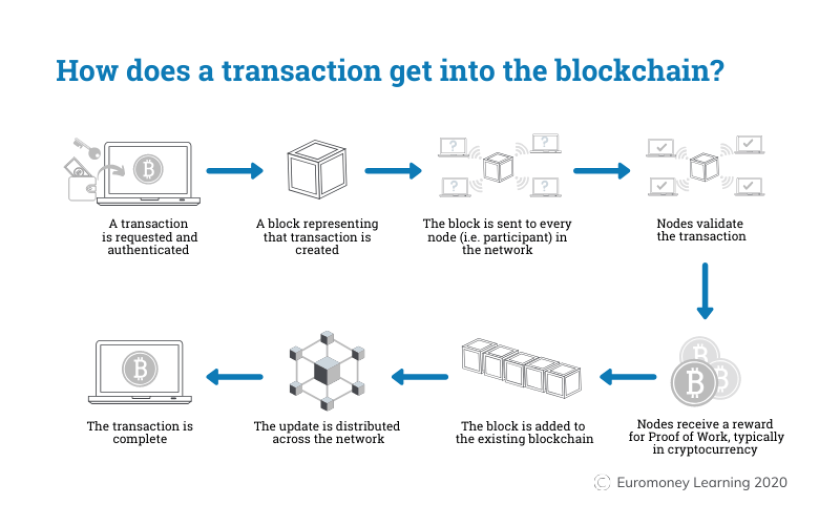
Vitalik Buterin BlockchainSource: EMLearning

However, this protection breaks down when validators handle off-chain tasks like oracle data feeds, governance decisions, or restaking services.

These activities fall outside the blockchain’s algorithmic enforcement and rely instead on validator honesty.

A colluding majority could provide false data or manipulated outcomes without the cryptographic proofs that protect on-chain transactions.

Users affected by such off-chain collusion have no automatic dispute-resolution or recovery mechanism.

The blockchain cannot verify or contest decisions made beyond its consensus layer, leaving victims without the recourse that makes on-chain assets fundamentally secure.

Why Off-Chain Trust Amplifies Risk

Traditional blockchain verification requires computers to perform 100 times as much work as the original calculation.

However, when users move funds off-chain, through custodial wallets, centralized exchanges, or validator-controlled computations, they surrender the blockchain’s built-in protections.

Off-chain systems lack the independent verification that every on-chain node provides, leaving them vulnerable to majority validator manipulation.

The distinction matters because blockchain consensus operates through algorithmic rule enforcement that no single party controls.

Vitalik Buterin BlockchainSource: B2BINPAY

Off-chain activities depend on coordinated behavior and validator integrity, but not on protocol-level verification.

Smart contracts that rely on validator-provided oracle data could yield incorrect outcomes if a majority colludes to report false information, potentially causing financial losses that on-chain mechanisms cannot prevent or reverse.

When asked whether his warning referenced restaking protocols like EigenLayer, Buterin confirmed the platform addresses this vulnerability through slashing mechanisms using its own token.

This economic penalty system provides some protection but cannot match the cryptographic guarantees that secure on-chain block validity against majority attacks.

Balancing Privacy with Blockchain’s Transparency Shield

Buterin’s security reminder comes as Ethereum pursues major privacy improvements that are different from the network’s traditionally transparent nature.

Earlier this month, he detailed GKR, a cryptographic technique that verifies calculations 10 times faster than traditional methods while enabling zero-knowledge proofs, allowing computers to prove calculations are correct without revealing the underlying data.

The Ethereum Foundation also launched a 47-member Privacy Cluster in September to make network privacy default rather than optional, addressing concerns that public blockchains expose too much financial information.

Aside from enterprise demand, Vitalik sees it as the only way to global adoption, especially for Ethereum.

Just recently, while speaking with Cryptonews, industry expert Petro Golovko compared current blockchain transparency to the pre-encryption internet era, arguing that systems exposing salaries and account balances remain “unusable for regular people and impossible for institutions.

The initiative aims to enable private transactions, selective identity disclosure, and improved user privacy experience without sacrificing the verification mechanisms that prevent validator manipulation.

However, the privacy push creates an apparent paradox. If transactions become private, how can the network maintain the transparent verification that protects against off-chain manipulation, Buterin warned about?

The solution lies in cryptographic techniques like GKR that allow verification of transaction validity without exposing transaction details, preserving the blockchain’s core security property where invalid blocks remain rejected even under majority attacks, while shielding sensitive financial data from public view.


Market Opportunity
Threshold Logo
Threshold Price(T)
$0.007068
$0.007068$0.007068
+1.72%
USD
Threshold (T) Live Price Chart
Disclaimer: The articles reposted on this site are sourced from public platforms and are provided for informational purposes only. They do not necessarily reflect the views of MEXC. All rights remain with the original authors. If you believe any content infringes on third-party rights, please contact service@support.mexc.com for removal. MEXC makes no guarantees regarding the accuracy, completeness, or timeliness of the content and is not responsible for any actions taken based on the information provided. The content does not constitute financial, legal, or other professional advice, nor should it be considered a recommendation or endorsement by MEXC.

You May Also Like

Kraken's Big Hint: Pi Coin Set for Exchange Listing In 2026

Kraken's Big Hint: Pi Coin Set for Exchange Listing In 2026

Pi Coin (PI) is deeply embarked in the ongoing red light therapy that’s crunched the global crypto’s market capitalization below $2.4 trillion. The mobile mining
Share
Coinstats2026/02/07 09:25
US Stock Market Could Double By End Of Presidential Term

US Stock Market Could Double By End Of Presidential Term

The post US Stock Market Could Double By End Of Presidential Term appeared on BitcoinEthereumNews.com. Trump’s Bold Prediction: US Stock Market Could Double By
Share
BitcoinEthereumNews2026/02/07 10:43
Whales Dump 200 Million XRP in Just 2 Weeks – Is XRP’s Price on the Verge of Collapse?

Whales Dump 200 Million XRP in Just 2 Weeks – Is XRP’s Price on the Verge of Collapse?

Whales offload 200 million XRP leaving market uncertainty behind. XRP faces potential collapse as whales drive major price shifts. Is XRP’s future in danger after massive sell-off by whales? XRP’s price has been under intense pressure recently as whales reportedly offloaded a staggering 200 million XRP over the past two weeks. This massive sell-off has raised alarms across the cryptocurrency community, as many wonder if the market is on the brink of collapse or just undergoing a temporary correction. According to crypto analyst Ali (@ali_charts), this surge in whale activity correlates directly with the price fluctuations seen in the past few weeks. XRP experienced a sharp spike in late July and early August, but the price quickly reversed as whales began to sell their holdings in large quantities. The increased volume during this period highlights the intensity of the sell-off, leaving many traders to question the future of XRP’s value. Whales have offloaded around 200 million $XRP in the last two weeks! pic.twitter.com/MiSQPpDwZM — Ali (@ali_charts) September 17, 2025 Also Read: Shiba Inu’s Price Is at a Tipping Point: Will It Break or Crash Soon? Can XRP Recover or Is a Bigger Decline Ahead? As the market absorbs the effects of the whale offload, technical indicators suggest that XRP may be facing a period of consolidation. The Relative Strength Index (RSI), currently sitting at 53.05, signals a neutral market stance, indicating that XRP could move in either direction. This leaves traders uncertain whether the XRP will break above its current resistance levels or continue to fall as more whales sell off their holdings. Source: Tradingview Additionally, the Bollinger Bands, suggest that XRP is nearing the upper limits of its range. This often points to a potential slowdown or pullback in price, further raising concerns about the future direction of the XRP. With the price currently around $3.02, many are questioning whether XRP can regain its footing or if it will continue to decline. The Aftermath of Whale Activity: Is XRP’s Future in Danger? Despite the large sell-off, XRP is not yet showing signs of total collapse. However, the market remains fragile, and the price is likely to remain volatile in the coming days. With whales continuing to influence price movements, many investors are watching closely to see if this trend will reverse or intensify. The coming weeks will be critical for determining whether XRP can stabilize or face further declines. The combination of whale offloading and technical indicators suggest that XRP’s price is at a crossroads. Traders and investors alike are waiting for clear signals to determine if the XRP will bounce back or continue its downward trajectory. Also Read: Metaplanet’s Bold Move: $15M U.S. Subsidiary to Supercharge Bitcoin Strategy The post Whales Dump 200 Million XRP in Just 2 Weeks – Is XRP’s Price on the Verge of Collapse? appeared first on 36Crypto.
Share
Coinstats2025/09/17 23:42