South Korea is taking a fresh look at how it handles sanctions against North Korea after the United States imposed penalties on individuals and entities linked to the regime’s crypto operations. The U.S. Treasury recently hit eight people and two organizations for laundering digital assets that allegedly support Pyongyang’s weapons program. The Chain Reaction Starts in Washington It all began when U.S. officials exposed a network of North Korean actors accused of funneling stolen crypto through laundering operations. The money, traced back to hacks and ransomware attacks, is believed to fund the country’s missile and nuclear development. Source: Shutterstock In response, Kim Ji-na, South Korea’s second vice foreign minister, stated that a review of sanctions was on the table if the situation called for it. Seoul Sees a Digital Threat at Home The concern goes beyond geopolitics. Seoul worries that North Korea’s crypto crimes could ripple through its own digital economy. Kim Ji-na pointed out that crypto theft tied to the North threatens both financial integrity and broader security in the region. It is not just about rogue statecraft anymore; it’s about what slips through the cracks of blockchain networks. DISCOVER: Best New Cryptocurrencies to Invest in 2025 This Is Not Their First Rodeo South Korea is no stranger to using sanctions against North Korea. What is different this time is the potential shift in focus. Past efforts leaned heavily on traditional financial restrictions. Now, Seoul is looking at targeting digital assets and crypto-specific activity that fuels illicit networks operating under the radar. Market Cap 24h 7d 30d 1y All Time A Look at Who Got Sanctioned The U.S. Treasury’s list included Korea Mangyongdae Computer Technology Company, a state-run IT entity, along with individuals operating out of China and Russia. Authorities allege that these figures helped move funds through crypto channels to support weapons development. The scale and sophistication of the operation gave the issue global attention. South Korea’s Next Move Is Being Watched If South Korea follows through, it could implement new rules aimed at crypto service providers and digital platforms suspected of being linked to North Korean activity. This would show closer alignment with U.S. policy and would likely increase compliance obligations for companies operating in the space. The speed and scope of these new measures will say a lot about how serious Seoul is about closing the gap. DISCOVER: 20+ Next Crypto to Explode in 2025 The Crypto Industry Might Need to Rethink Its Exposure For exchanges and other platforms dealing with South Korean users, this could be a turning point. As sanctions begin to include digital asset flows, businesses may face tighter rules around transaction monitoring, identity checks and reporting obligations. Crypto may no longer enjoy the same hands-off oversight it once did. Where Things Go From Here The latest crackdown by the U.S. and Seoul’s reaction to it show that crypto is no longer outside the reach of international security discussions. What used to be a blind spot is quickly becoming a major focus. As both countries move toward more aggressive scrutiny, the digital asset world must adapt to stricter borders, even in a decentralized environment.  DISCOVER: 20+ Next Crypto to Explode in 2025  Join The 99Bitcoins News Discord Here For The Latest Market Updates Key Takeaways South Korea is reviewing its sanctions strategy after the U.S. targeted North Korea’s crypto-linked laundering networks. The U.S. sanctioned eight individuals and two entities tied to digital asset flows that allegedly fund Pyongyang’s weapons programs. Seoul is considering new rules focused on crypto platforms to prevent North Korean actors from exploiting digital finance loopholes. This marks a shift from traditional sanctions to targeting crypto-specific activity and platforms linked to illicit state operations. Crypto firms in South Korea may face stricter compliance and monitoring requirements if regulators introduce new rules. The post South Korea Reconsiders Crypto Sanctions After U.S. Crackdown appeared first on 99Bitcoins.South Korea is taking a fresh look at how it handles sanctions against North Korea after the United States imposed penalties on individuals and entities linked to the regime’s crypto operations. The U.S. Treasury recently hit eight people and two organizations for laundering digital assets that allegedly support Pyongyang’s weapons program. The Chain Reaction Starts in Washington It all began when U.S. officials exposed a network of North Korean actors accused of funneling stolen crypto through laundering operations. The money, traced back to hacks and ransomware attacks, is believed to fund the country’s missile and nuclear development. Source: Shutterstock In response, Kim Ji-na, South Korea’s second vice foreign minister, stated that a review of sanctions was on the table if the situation called for it. Seoul Sees a Digital Threat at Home The concern goes beyond geopolitics. Seoul worries that North Korea’s crypto crimes could ripple through its own digital economy. Kim Ji-na pointed out that crypto theft tied to the North threatens both financial integrity and broader security in the region. It is not just about rogue statecraft anymore; it’s about what slips through the cracks of blockchain networks. DISCOVER: Best New Cryptocurrencies to Invest in 2025 This Is Not Their First Rodeo South Korea is no stranger to using sanctions against North Korea. What is different this time is the potential shift in focus. Past efforts leaned heavily on traditional financial restrictions. Now, Seoul is looking at targeting digital assets and crypto-specific activity that fuels illicit networks operating under the radar. Market Cap 24h 7d 30d 1y All Time A Look at Who Got Sanctioned The U.S. Treasury’s list included Korea Mangyongdae Computer Technology Company, a state-run IT entity, along with individuals operating out of China and Russia. Authorities allege that these figures helped move funds through crypto channels to support weapons development. The scale and sophistication of the operation gave the issue global attention. South Korea’s Next Move Is Being Watched If South Korea follows through, it could implement new rules aimed at crypto service providers and digital platforms suspected of being linked to North Korean activity. This would show closer alignment with U.S. policy and would likely increase compliance obligations for companies operating in the space. The speed and scope of these new measures will say a lot about how serious Seoul is about closing the gap. DISCOVER: 20+ Next Crypto to Explode in 2025 The Crypto Industry Might Need to Rethink Its Exposure For exchanges and other platforms dealing with South Korean users, this could be a turning point. As sanctions begin to include digital asset flows, businesses may face tighter rules around transaction monitoring, identity checks and reporting obligations. Crypto may no longer enjoy the same hands-off oversight it once did. Where Things Go From Here The latest crackdown by the U.S. and Seoul’s reaction to it show that crypto is no longer outside the reach of international security discussions. What used to be a blind spot is quickly becoming a major focus. As both countries move toward more aggressive scrutiny, the digital asset world must adapt to stricter borders, even in a decentralized environment.  DISCOVER: 20+ Next Crypto to Explode in 2025  Join The 99Bitcoins News Discord Here For The Latest Market Updates Key Takeaways South Korea is reviewing its sanctions strategy after the U.S. targeted North Korea’s crypto-linked laundering networks. The U.S. sanctioned eight individuals and two entities tied to digital asset flows that allegedly fund Pyongyang’s weapons programs. Seoul is considering new rules focused on crypto platforms to prevent North Korean actors from exploiting digital finance loopholes. This marks a shift from traditional sanctions to targeting crypto-specific activity and platforms linked to illicit state operations. Crypto firms in South Korea may face stricter compliance and monitoring requirements if regulators introduce new rules. The post South Korea Reconsiders Crypto Sanctions After U.S. Crackdown appeared first on 99Bitcoins.

South Korea Reconsiders Crypto Sanctions After U.S. Crackdown

South Korea is taking a fresh look at how it handles sanctions against North Korea after the United States imposed penalties on individuals and entities linked to the regime’s crypto operations. The U.S. Treasury recently hit eight people and two organizations for laundering digital assets that allegedly support Pyongyang’s weapons program.

The Chain Reaction Starts in Washington

It all began when U.S. officials exposed a network of North Korean actors accused of funneling stolen crypto through laundering operations. The money, traced back to hacks and ransomware attacks, is believed to fund the country’s missile and nuclear development.
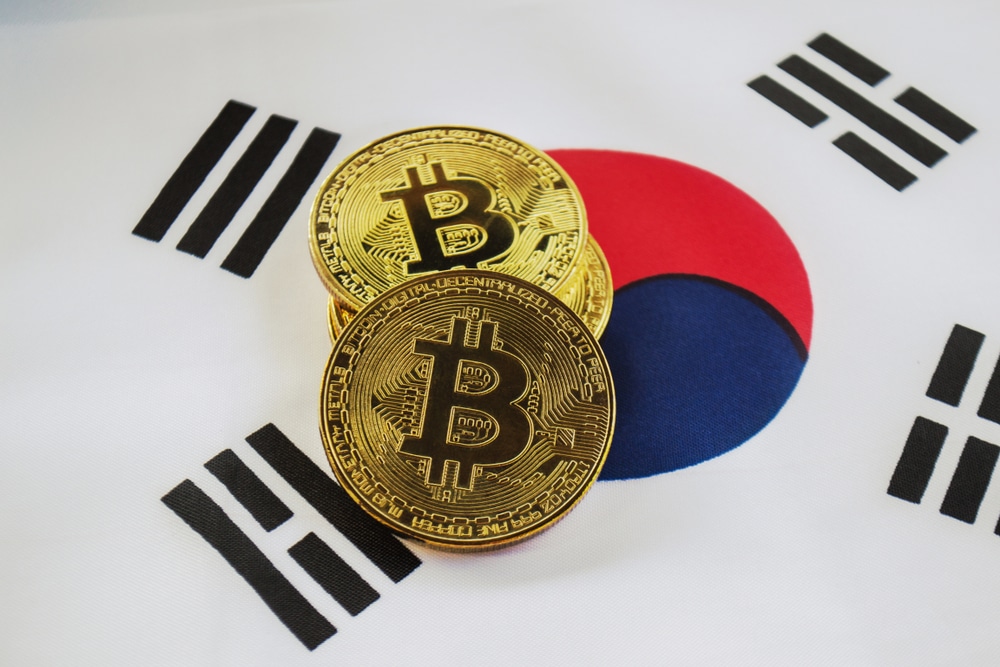
South Korea Reconsiders Crypto Sanctions Source: Shutterstock

In response, Kim Ji-na, South Korea’s second vice foreign minister, stated that a review of sanctions was on the table if the situation called for it.

Seoul Sees a Digital Threat at Home

The concern goes beyond geopolitics. Seoul worries that North Korea’s crypto crimes could ripple through its own digital economy. Kim Ji-na pointed out that crypto theft tied to the North threatens both financial integrity and broader security in the region. It is not just about rogue statecraft anymore; it’s about what slips through the cracks of blockchain networks.

DISCOVER: Best New Cryptocurrencies to Invest in 2025

This Is Not Their First Rodeo

South Korea is no stranger to using sanctions against North Korea. What is different this time is the potential shift in focus. Past efforts leaned heavily on traditional financial restrictions. Now, Seoul is looking at targeting digital assets and crypto-specific activity that fuels illicit networks operating under the radar.

Market Cap
24h 7d 30d 1y All Time

A Look at Who Got Sanctioned

The U.S. Treasury’s list included Korea Mangyongdae Computer Technology Company, a state-run IT entity, along with individuals operating out of China and Russia. Authorities allege that these figures helped move funds through crypto channels to support weapons development. The scale and sophistication of the operation gave the issue global attention.

South Korea’s Next Move Is Being Watched

If South Korea follows through, it could implement new rules aimed at crypto service providers and digital platforms suspected of being linked to North Korean activity. This would show closer alignment with U.S. policy and would likely increase compliance obligations for companies operating in the space. The speed and scope of these new measures will say a lot about how serious Seoul is about closing the gap.

DISCOVER: 20+ Next Crypto to Explode in 2025

The Crypto Industry Might Need to Rethink Its Exposure

For exchanges and other platforms dealing with South Korean users, this could be a turning point. As sanctions begin to include digital asset flows, businesses may face tighter rules around transaction monitoring, identity checks and reporting obligations. Crypto may no longer enjoy the same hands-off oversight it once did.

Where Things Go From Here

The latest crackdown by the U.S. and Seoul’s reaction to it show that crypto is no longer outside the reach of international security discussions. What used to be a blind spot is quickly becoming a major focus. As both countries move toward more aggressive scrutiny, the digital asset world must adapt to stricter borders, even in a decentralized environment. 

DISCOVER: 20+ Next Crypto to Explode in 2025 

Join The 99Bitcoins News Discord Here For The Latest Market Updates

Key Takeaways

  • South Korea is reviewing its sanctions strategy after the U.S. targeted North Korea’s crypto-linked laundering networks.
  • The U.S. sanctioned eight individuals and two entities tied to digital asset flows that allegedly fund Pyongyang’s weapons programs.
  • Seoul is considering new rules focused on crypto platforms to prevent North Korean actors from exploiting digital finance loopholes.
  • This marks a shift from traditional sanctions to targeting crypto-specific activity and platforms linked to illicit state operations.
  • Crypto firms in South Korea may face stricter compliance and monitoring requirements if regulators introduce new rules.

The post South Korea Reconsiders Crypto Sanctions After U.S. Crackdown appeared first on 99Bitcoins.


Market Opportunity
Union Logo
Union Price(U)
$0.003173
$0.003173$0.003173
+7.55%
USD
Union (U) Live Price Chart
Disclaimer: The articles reposted on this site are sourced from public platforms and are provided for informational purposes only. They do not necessarily reflect the views of MEXC. All rights remain with the original authors. If you believe any content infringes on third-party rights, please contact service@support.mexc.com for removal. MEXC makes no guarantees regarding the accuracy, completeness, or timeliness of the content and is not responsible for any actions taken based on the information provided. The content does not constitute financial, legal, or other professional advice, nor should it be considered a recommendation or endorsement by MEXC.

You May Also Like

Today’s Wordle #1671 Hints And Answer For Thursday, January 15

Today’s Wordle #1671 Hints And Answer For Thursday, January 15

The post Today’s Wordle #1671 Hints And Answer For Thursday, January 15 appeared on BitcoinEthereumNews.com. How to solve today’s Wordle. SOPA Images/LightRocket
Share
BitcoinEthereumNews2026/01/15 09:05
CME Group plans to roll out XRP and Solana futures options in October

CME Group plans to roll out XRP and Solana futures options in October

CME Group will roll out options for XRP and Solana (SOL) futures on October 13, with expiries available daily, monthly and quarterly, adding an extra layer of exposure for investors.
Share
Fxstreet2025/09/18 09:17
CME Group to launch options on XRP and SOL futures

CME Group to launch options on XRP and SOL futures

The post CME Group to launch options on XRP and SOL futures appeared on BitcoinEthereumNews.com. CME Group will offer options based on the derivative markets on Solana (SOL) and XRP. The new markets will open on October 13, after regulatory approval.  CME Group will expand its crypto products with options on the futures markets of Solana (SOL) and XRP. The futures market will start on October 13, after regulatory review and approval.  The options will allow the trading of MicroSol, XRP, and MicroXRP futures, with expiry dates available every business day, monthly, and quarterly. The new products will be added to the existing BTC and ETH options markets. ‘The launch of these options contracts builds on the significant growth and increasing liquidity we have seen across our suite of Solana and XRP futures,’ said Giovanni Vicioso, CME Group Global Head of Cryptocurrency Products. The options contracts will have two main sizes, tracking the futures contracts. The new market will be suitable for sophisticated institutional traders, as well as active individual traders. The addition of options markets singles out XRP and SOL as liquid enough to offer the potential to bet on a market direction.  The options on futures arrive a few months after the launch of SOL futures. Both SOL and XRP had peak volumes in August, though XRP activity has slowed down in September. XRP and SOL options to tap both institutions and active traders Crypto options are one of the indicators of market attitudes, with XRP and SOL receiving a new way to gauge sentiment. The contracts will be supported by the Cumberland team.  ‘As one of the biggest liquidity providers in the ecosystem, the Cumberland team is excited to support CME Group’s continued expansion of crypto offerings,’ said Roman Makarov, Head of Cumberland Options Trading at DRW. ‘The launch of options on Solana and XRP futures is the latest example of the…
Share
BitcoinEthereumNews2025/09/18 00:56