Japan is preparing a major reset of its crypto rulebook, moving to treat digital assets as financial products subject to insider trading laws and to lower the tax burden on profits, the Asahi newspaper reported on Sunday. The Financial Services Agency is drafting measures that would cover 105 cryptocurrencies listed domestically, including Bitcoin and Ethereum. Exchanges would need to disclose core facts for each asset, such as whether there is an issuer, what technology it uses and the risk of price swings. The plan brings market conduct rules familiar to equity traders into crypto. People with non-public information tied to issuers or exchanges would be barred from trading on material events like listings, delistings or bankruptcies before they are disclosed. Japan Eyes 20% Flat Tax On Crypto Gains, Matching Stock Trading Distribution would broaden as well. Banks and insurers could sell cryptocurrencies to customers through their securities subsidiaries, giving retail investors access via regulated financial channels. Tax treatment would shift to a flat 20% on crypto gains, the same rate as stock trading, down from the current top rate of 55%. A simpler, lower rate could pull activity back onshore and reduce incentives to trade through foreign platforms. The agency aims to submit legislation in next year’s ordinary parliamentary session, the report said. FSA Pushes Clearer Disclosure To Strengthen Investor Confidence Domestic venues handle 105 assets today, a small slice of the thousands that trade globally. The FSA’s disclosure push signals a preference for depth over breadth, with clearer information for the assets that Japanese investors can buy. Market supervision is tightening elsewhere in Tokyo. Bloomberg reported that Japan Exchange Group is weighing stricter use of backdoor listing rules and may seek fresh audits for companies shifting heavily into crypto positions. Three listed firms have paused plans to buy digital assets after pushback, and were told their fundraising could be limited if they centered strategies on accumulating crypto. For traders, the message is clean rules and cleaner data. A 20% rate aligns crypto with equities, insider curbs target information abuse and bank-led distribution offers regulated accessJapan is preparing a major reset of its crypto rulebook, moving to treat digital assets as financial products subject to insider trading laws and to lower the tax burden on profits, the Asahi newspaper reported on Sunday. The Financial Services Agency is drafting measures that would cover 105 cryptocurrencies listed domestically, including Bitcoin and Ethereum. Exchanges would need to disclose core facts for each asset, such as whether there is an issuer, what technology it uses and the risk of price swings. The plan brings market conduct rules familiar to equity traders into crypto. People with non-public information tied to issuers or exchanges would be barred from trading on material events like listings, delistings or bankruptcies before they are disclosed. Japan Eyes 20% Flat Tax On Crypto Gains, Matching Stock Trading Distribution would broaden as well. Banks and insurers could sell cryptocurrencies to customers through their securities subsidiaries, giving retail investors access via regulated financial channels. Tax treatment would shift to a flat 20% on crypto gains, the same rate as stock trading, down from the current top rate of 55%. A simpler, lower rate could pull activity back onshore and reduce incentives to trade through foreign platforms. The agency aims to submit legislation in next year’s ordinary parliamentary session, the report said. FSA Pushes Clearer Disclosure To Strengthen Investor Confidence Domestic venues handle 105 assets today, a small slice of the thousands that trade globally. The FSA’s disclosure push signals a preference for depth over breadth, with clearer information for the assets that Japanese investors can buy. Market supervision is tightening elsewhere in Tokyo. Bloomberg reported that Japan Exchange Group is weighing stricter use of backdoor listing rules and may seek fresh audits for companies shifting heavily into crypto positions. Three listed firms have paused plans to buy digital assets after pushback, and were told their fundraising could be limited if they centered strategies on accumulating crypto. For traders, the message is clean rules and cleaner data. A 20% rate aligns crypto with equities, insider curbs target information abuse and bank-led distribution offers regulated access

Japan To Bring Crypto Under Insider Trading Rules, Cut Tax Burden: Report

2025/11/17 10:47
2 min read
For feedback or concerns regarding this content, please contact us at crypto.news@mexc.com

Japan is preparing a major reset of its crypto rulebook, moving to treat digital assets as financial products subject to insider trading laws and to lower the tax burden on profits, the Asahi newspaper reported on Sunday.

The Financial Services Agency is drafting measures that would cover 105 cryptocurrencies listed domestically, including Bitcoin and Ethereum.

Exchanges would need to disclose core facts for each asset, such as whether there is an issuer, what technology it uses and the risk of price swings.

The plan brings market conduct rules familiar to equity traders into crypto. People with non-public information tied to issuers or exchanges would be barred from trading on material events like listings, delistings or bankruptcies before they are disclosed.

Japan Eyes 20% Flat Tax On Crypto Gains, Matching Stock Trading

Distribution would broaden as well. Banks and insurers could sell cryptocurrencies to customers through their securities subsidiaries, giving retail investors access via regulated financial channels.

Tax treatment would shift to a flat 20% on crypto gains, the same rate as stock trading, down from the current top rate of 55%. A simpler, lower rate could pull activity back onshore and reduce incentives to trade through foreign platforms.

The agency aims to submit legislation in next year’s ordinary parliamentary session, the report said.

FSA Pushes Clearer Disclosure To Strengthen Investor Confidence

Domestic venues handle 105 assets today, a small slice of the thousands that trade globally.

The FSA’s disclosure push signals a preference for depth over breadth, with clearer information for the assets that Japanese investors can buy.

Market supervision is tightening elsewhere in Tokyo. Bloomberg reported that Japan Exchange Group is weighing stricter use of backdoor listing rules and may seek fresh audits for companies shifting heavily into crypto positions.

Three listed firms have paused plans to buy digital assets after pushback, and were told their fundraising could be limited if they centered strategies on accumulating crypto.

For traders, the message is clean rules and cleaner data. A 20% rate aligns crypto with equities, insider curbs target information abuse and bank-led distribution offers regulated access.

Disclaimer: The articles reposted on this site are sourced from public platforms and are provided for informational purposes only. They do not necessarily reflect the views of MEXC. All rights remain with the original authors. If you believe any content infringes on third-party rights, please contact crypto.news@mexc.com for removal. MEXC makes no guarantees regarding the accuracy, completeness, or timeliness of the content and is not responsible for any actions taken based on the information provided. The content does not constitute financial, legal, or other professional advice, nor should it be considered a recommendation or endorsement by MEXC.

You May Also Like

Aave DAO to Shut Down 50% of L2s While Doubling Down on GHO
Aave DAO to Shut Down 50% of L2s While Doubling Down on GHO

The post Aave DAO to Shut Down 50% of L2s While Doubling Down on GHO appeared on BitcoinEthereumNews.com. Aave DAO is gearing up for a significant overhaul by shutting down over 50% of underperforming L2 instances. It is also restructuring its governance framework and deploying over $100 million to boost GHO. This could be a pivotal moment that propels Aave back to the forefront of on-chain lending or sparks unprecedented controversy within the DeFi community. Sponsored Sponsored ACI Proposes Shutting Down 50% of L2s The “State of the Union” report by the Aave Chan Initiative (ACI) paints a candid picture. After a turbulent period in the DeFi market and internal challenges, Aave (AAVE) now leads in key metrics: TVL, revenue, market share, and borrowing volume. Aave’s annual revenue of $130 million surpasses the combined cash reserves of its competitors. Tokenomics improvements and the AAVE token buyback program have also contributed to the ecosystem’s growth. Aave global metrics. Source: Aave However, the ACI’s report also highlights several pain points. First, regarding the Layer-2 (L2) strategy. While Aave’s L2 strategy was once a key driver of success, it is no longer fit for purpose. Over half of Aave’s instances on L2s and alt-L1s are not economically viable. Based on year-to-date data, over 86.6% of Aave’s revenue comes from the mainnet, indicating that everything else is a side quest. On this basis, ACI proposes closing underperforming networks. The DAO should invest in key networks with significant differentiators. Second, ACI is pushing for a complete overhaul of the “friendly fork” framework, as most have been unimpressive regarding TVL and revenue. In some cases, attackers have exploited them to Aave’s detriment, as seen with Spark. Sponsored Sponsored “The friendly fork model had a good intention but bad execution where the DAO was too friendly towards these forks, allowing the DAO only little upside,” the report states. Third, the instance model, once a smart…
Share
BitcoinEthereumNews2025/09/18 02:28
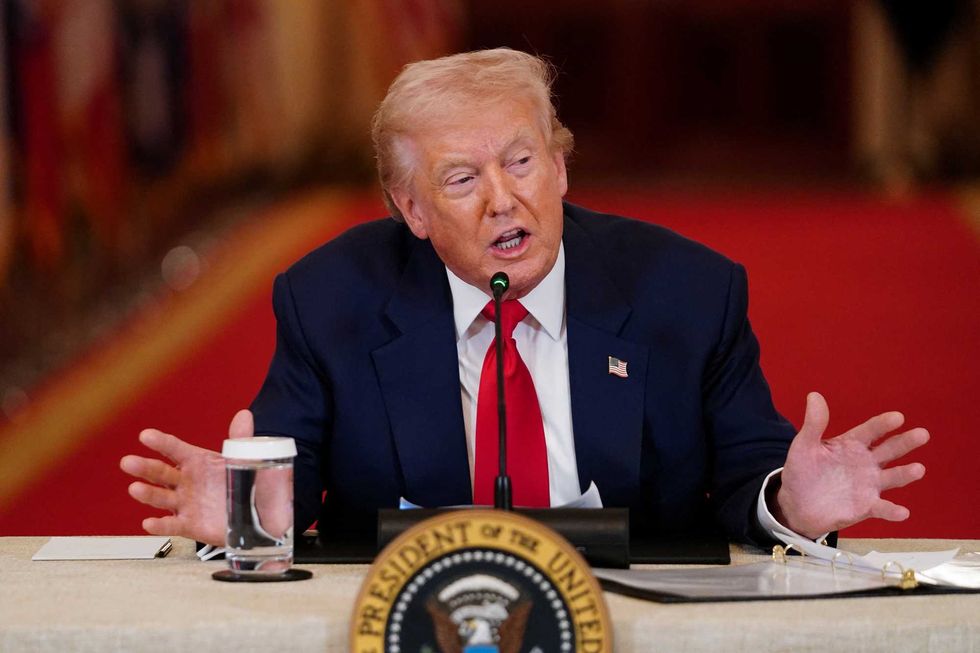
Trump erupts at Fox News reporter during  roundtable: 'What a stupid question'

Trump erupts at Fox News reporter during  roundtable: 'What a stupid question'

An agitated President Donald Trump lashed out at two reporters during his White House “Saving College Sports” roundtable, complaining that the journalists failed
Share
Rawstory2026/03/07 07:19
Lyn Alden Tips Bitcoin Outperforming Gold Through to 2029

Lyn Alden Tips Bitcoin Outperforming Gold Through to 2029

The post Lyn Alden Tips Bitcoin Outperforming Gold Through to 2029 appeared on BitcoinEthereumNews.com. Bitcoin is likely to outperform gold on price performance
Share
BitcoinEthereumNews2026/03/07 07:22
