Bitcoin ETF demand drops sharply as geopolitical jitters rattle investor sentiment
Spot Bitcoin exchange-traded funds in the United States have recently experienced a sharp drop in inflows as investor sentiment continues to take a hit amid escalating geopolitical concerns.
According to data from SoSoValue, the 12 spot Bitcoin ETFs pulled in $1.02 billion over the past week, a significant drop of over 26% compared to the $1.39 billion these funds attracted the week before.
The week of June 16–20 started off strong. Bitcoin ETFs saw $412.2 million in inflows on Monday, followed by $216.48 million on Tuesday and $389.57 million on Wednesday. Thursday was a holiday in the U.S. due to Juneteenth, so markets were closed. But on Friday, inflows fell off a cliff, coming in at just $6.37 million, down about 98% from the average of the previous three trading days.
Most of Friday’s activity was concentrated in two major funds. BlackRock’s IBIT saw $46.91 million in inflows, but that was almost entirely offset by a massive $440.55 million outflow from Fidelity’s FBTC. The rest of the spot Bitcoin ETFs had no activity at all.
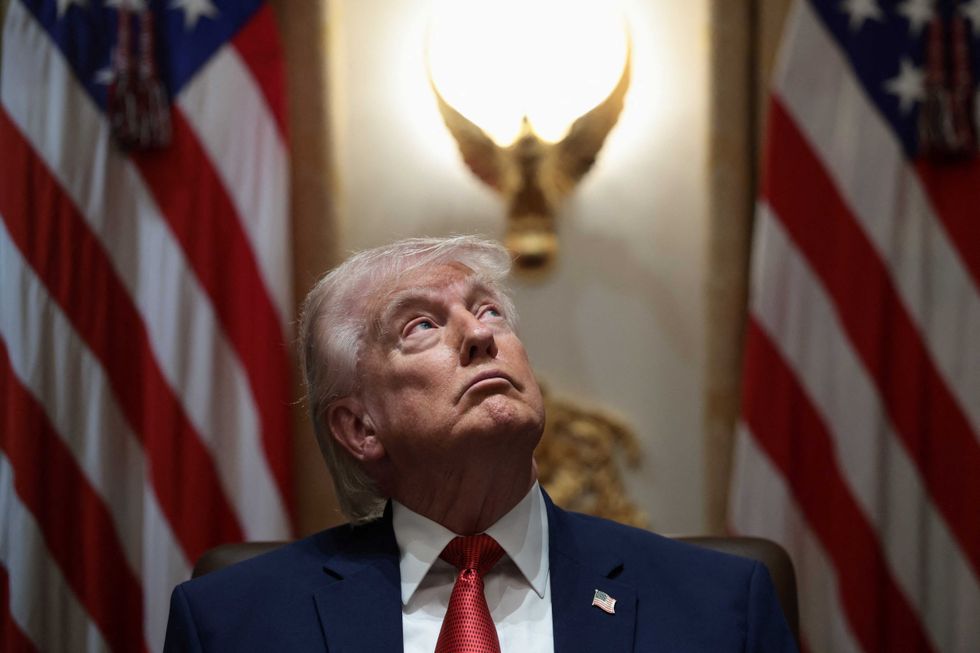
The significant drop in investor demand came as President Donald Trump set a two-week deadline to decide whether the U.S. would officially join Israel’s military campaign against Iran, an ally it’s long backed in the region. That uncertainty spooked markets and drove a broader pullback in risk-on assets like crypto.
While last week’s ETF flows reflected early caution, developments over the weekend added to the geopolitical strain and could further weigh on demand this week.
On June 22, American forces launched a coordinated airstrike on Iran, targeting three key nuclear sites. This marked a turning point in the crisis and intensified fears of a broader conflict.
In response, Iran vowed retaliation, warning of “everlasting” consequences and has even threatened to shut down the Strait of Hormuz, a critical passage for nearly 20% of the world’s oil supply.
Oil traders are on high alert, with some analysts now projecting prices could spike to $120–$130 per barrel and potentially push U.S. inflation back toward 5%, a level not seen since March 2023, when the Fed was still actively raising rates.
Oil prices are often viewed as a barometer for global economic stability and can influence central bank policy decisions, which can impact investor demand for risk-on assets such as Bitcoin.
As markets digested the news, investors started moving out of crypto and into traditional safe-haven assets like gold and defense-sector equities.
Bitcoin felt the pressure, dropping over 2.8% to dip below $99,000 on June 22. Ethereum (ETH) took a bigger hit, tumbling around 9%, while other major altcoins, including Virtuals Protocol, Celestia, Aptos, and AB, were all down over 9% as well.
Despite the sell-off, Bitcoin (BTC) managed to rebound above $100,000 by press time. That recovery was fueled by a 75.8% spike in daily trading volume, which rose to $48.4 billion.
Meanwhile, derivatives activity surged as well, volume jumped 67% to $136 billion, according to data from Coinglass. This suggests some traders may have closed positions due to the uncertainty but are now testing the waters again.
Going forward, the trajectory of Bitcoin will likely be shaped by the pace of diplomatic resolution and the resilience of exchange-traded fund inflows against ongoing sell-side pressure, factors that have historically influenced its performance during periods of geopolitical crisis.


You May Also Like

edgeX (EDGE) Surges 44.9% to All-Time High: Volume Spike Analysis

Governor gives thousands of prisoners commutation hope for first time since 1990s