

Critical Warning: S&P Downgrades USDT Stability Rating to Vulnerable – What Investors Must Know
BitcoinWorld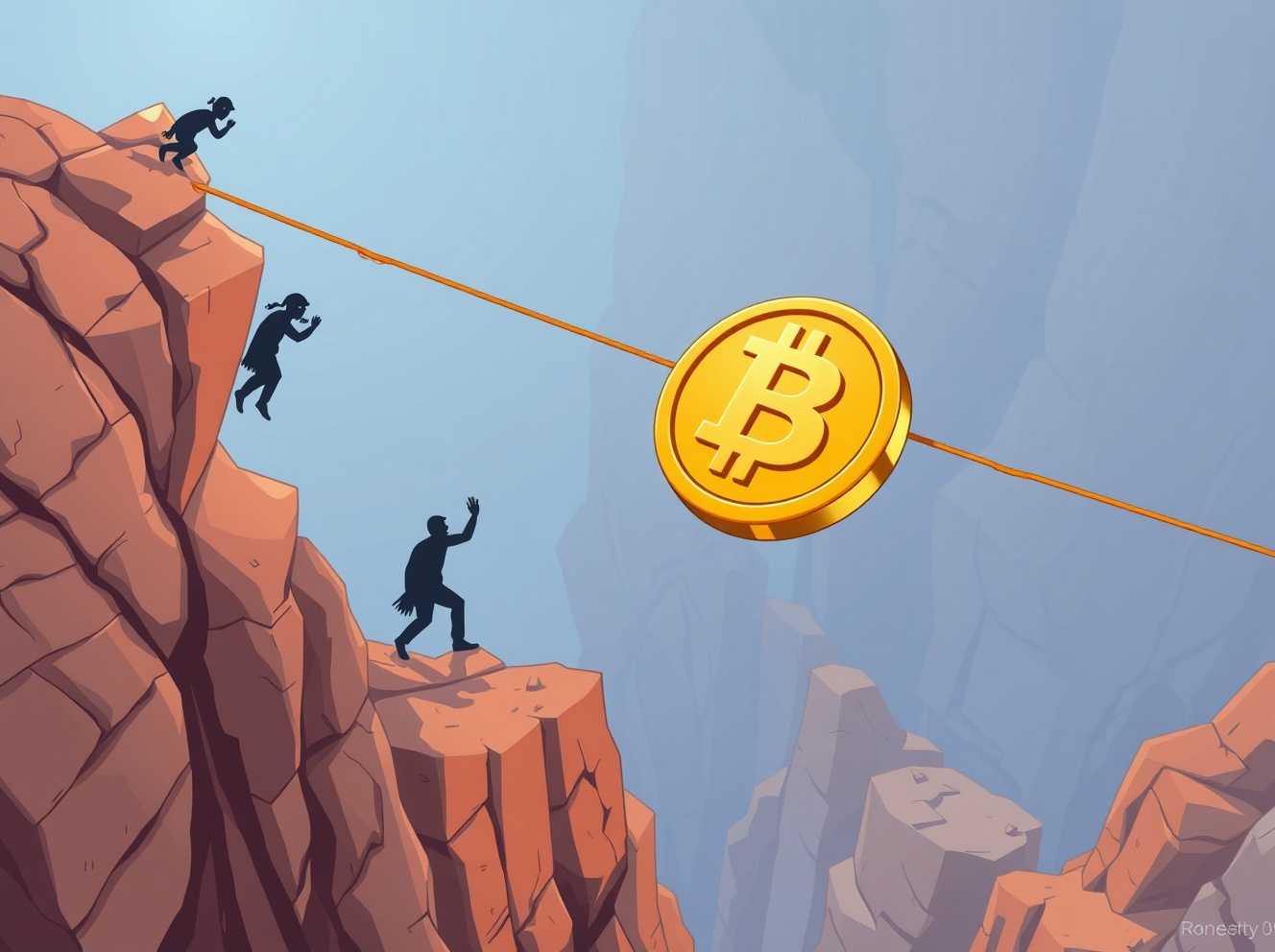
Critical Warning: S&P Downgrades USDT Stability Rating to Vulnerable – What Investors Must Know
In a move that sent shockwaves through the cryptocurrency world, S&P Global Ratings has delivered a critical blow to Tether’s USDT, downgrading its USDT stability rating to the lowest possible level. This alarming development raises serious questions about the world’s largest stablecoin and its ability to maintain its dollar peg during market turbulence.
Why Did S&P Downgrade the USDT Stability Rating?
S&P’s decision to slash the USDT stability rating to ‘vulnerable’ stems from multiple concerning factors. The agency identified that USDT no longer maintains sufficient reserves to absorb potential declines in Bitcoin’s value. Moreover, S&P highlighted persistent issues with Tether’s transparency and governance practices that have left investors in the dark about crucial details.
The rating agency specifically pointed to:
- Unresolved disclosure problems regarding reserve composition
- Lack of clarity about custodians and banking partners
- Insufficient information about asset creditworthiness
How Risky Are Tether’s Reserves Becoming?
The deterioration in the USDT stability rating reflects a dangerous trend in Tether’s reserve management. S&P revealed that high-risk assets in Tether’s portfolio have increased significantly from 17% last year to 24% as of September 30th. These concerning assets include:
- Bitcoin and other cryptocurrencies
- Gold investments
- Secured loans with uncertain collateral
- Corporate bonds
- Other investments with limited public information
Can the USDT Stability Rating Improve?
Despite the grim assessment, S&P left the door open for potential recovery of the USDT stability rating. The agency clearly outlined what Tether must do to restore confidence. Immediate actions required include reducing exposure to high-risk assets and providing complete, verifiable information about reserve composition.
Tether must also demonstrate the creditworthiness of its banking and custodial partners. Transparency about asset backing and risk management practices could potentially lead to an improved USDT stability rating in future assessments.
What Does This Mean for Crypto Investors?
The downgraded USDT stability rating serves as a crucial warning for everyone in the cryptocurrency space. Stablecoins form the backbone of crypto trading and DeFi ecosystems, making their stability paramount. This development underscores the importance of:
- Diversifying stablecoin holdings across multiple providers
- Monitoring regulatory and rating agency assessments
- Understanding the underlying risks of supposedly ‘stable’ assets
- Staying informed about reserve composition changes
Frequently Asked Questions
What exactly does a ‘vulnerable’ USDT stability rating mean?
A vulnerable rating indicates that S&P believes USDT faces significant risk of failing to maintain its dollar peg during market stress, primarily due to insufficient reserves and transparency issues.
Should I immediately sell all my USDT holdings?
While the rating downgrade is concerning, immediate panic selling isn’t necessarily advised. However, diversifying your stablecoin exposure and monitoring the situation closely is recommended.
How does this affect other stablecoins?
Other stablecoins may face increased scrutiny from regulators and rating agencies. This could lead to better transparency industry-wide or create opportunities for competitors with stronger reserves.
Can Tether fix these issues quickly?
Tether could potentially address some concerns by reducing risky assets and improving disclosures, but fundamental changes to reserve management may take considerable time.
What are the safest alternatives to USDT?
Consider stablecoins with better transparency, regular audits, and stronger reserve backing such as USDC or DAI, though all crypto assets carry some risk.
How often do rating agencies update stablecoin assessments?
Rating agencies typically review their assessments quarterly or when significant events occur, but there’s no fixed schedule for updates.
Share this critical analysis with fellow investors – help spread awareness about the changing landscape of stablecoin safety and the importance of the USDT stability rating developments. Your network will appreciate being informed about these crucial market changes.
To learn more about the latest cryptocurrency trends, explore our article on key developments shaping stablecoin regulation and institutional adoption.
This post Critical Warning: S&P Downgrades USDT Stability Rating to Vulnerable – What Investors Must Know first appeared on BitcoinWorld.
You May Also Like

U.S. Moves Grip on Crypto Regulation Intensifies
Iran threatens to target financial entities that finance US military budget

