TLDR Major Chinese tech firms including Alibaba and ByteDance are training AI models in Southeast Asian data centers The move allows access to Nvidia’s advanced chips that face U.S. export restrictions in China Chinese companies lease data center space from non-Chinese operators to access the hardware DeepSeek trains models in China using Nvidia chips purchased [...] The post Chinese Tech Companies Find Workaround for Nvidia Chip Restrictions appeared first on Blockonomi.TLDR Major Chinese tech firms including Alibaba and ByteDance are training AI models in Southeast Asian data centers The move allows access to Nvidia’s advanced chips that face U.S. export restrictions in China Chinese companies lease data center space from non-Chinese operators to access the hardware DeepSeek trains models in China using Nvidia chips purchased [...] The post Chinese Tech Companies Find Workaround for Nvidia Chip Restrictions appeared first on Blockonomi.

Chinese Tech Companies Find Workaround for Nvidia Chip Restrictions

2025/11/27 21:42
3 min read
For feedback or concerns regarding this content, please contact us at crypto.news@mexc.com

TLDR

  • Major Chinese tech firms including Alibaba and ByteDance are training AI models in Southeast Asian data centers
  • The move allows access to Nvidia’s advanced chips that face U.S. export restrictions in China
  • Chinese companies lease data center space from non-Chinese operators to access the hardware
  • DeepSeek trains models in China using Nvidia chips purchased before export bans began
  • DeepSeek partners with Huawei and other Chinese manufacturers to develop domestic AI chips

Chinese technology companies are relocating their artificial intelligence training operations outside mainland China. The strategy provides access to computing hardware restricted by U.S. export policies.

Major firms like Alibaba and ByteDance now train their newest large language models in Southeast Asian facilities. Two sources with direct knowledge confirmed these arrangements to Financial Times.

The companies secure access through lease agreements with data centers owned by non-Chinese operators. This approach bypasses restrictions on chip sales directly to Chinese entities.

Offshore AI training activity increased steadily after April 2025. That month marked when the United States expanded restrictions on Nvidia’s H20 chip sales to China.


NVDA Stock Card
NVIDIA Corporation, NVDA

The H20 chip represents advanced computing technology designed for AI workloads. U.S. export controls target these products to limit Chinese capabilities in artificial intelligence development.

How Chinese Firms Access Restricted Hardware

The lease-based model provides Chinese companies with legal access to prohibited hardware. Data centers in Southeast Asian countries stock Nvidia chips for their operations.

Chinese firms rent computing time and storage space at these facilities. The arrangement allows them to train large AI models without directly purchasing restricted chips.

This workaround addresses both technical and regulatory challenges. Companies maintain their AI development pace while staying within legal boundaries.

Multiple Chinese technology firms have adopted this offshore training approach. The trend reflects growing demand for advanced computing power in AI development.

DeepSeek’s Domestic Training Strategy

DeepSeek follows a different path than its competitors. The AI startup continues training models within China’s borders.

DeepSeek built a large inventory of Nvidia chips before U.S. export restrictions took effect. This stockpile supports the company’s current domestic operations.

The company also invests in long-term alternatives to foreign chips. DeepSeek works with Chinese semiconductor manufacturers on next-generation processors.

Huawei leads the consortium of chipmakers collaborating with DeepSeek. The partnership focuses on optimizing existing designs and creating new AI-specific chips.

These development efforts aim to establish Chinese alternatives to Nvidia products. Success would reduce dependence on foreign technology suppliers.

China’s government has implemented policies discouraging foreign chip purchases. State-funded data centers now face bans on using foreign AI processors.

Authorities also discourage private companies from buying advanced Nvidia chips. These measures complement U.S. restrictions by reducing Chinese demand.

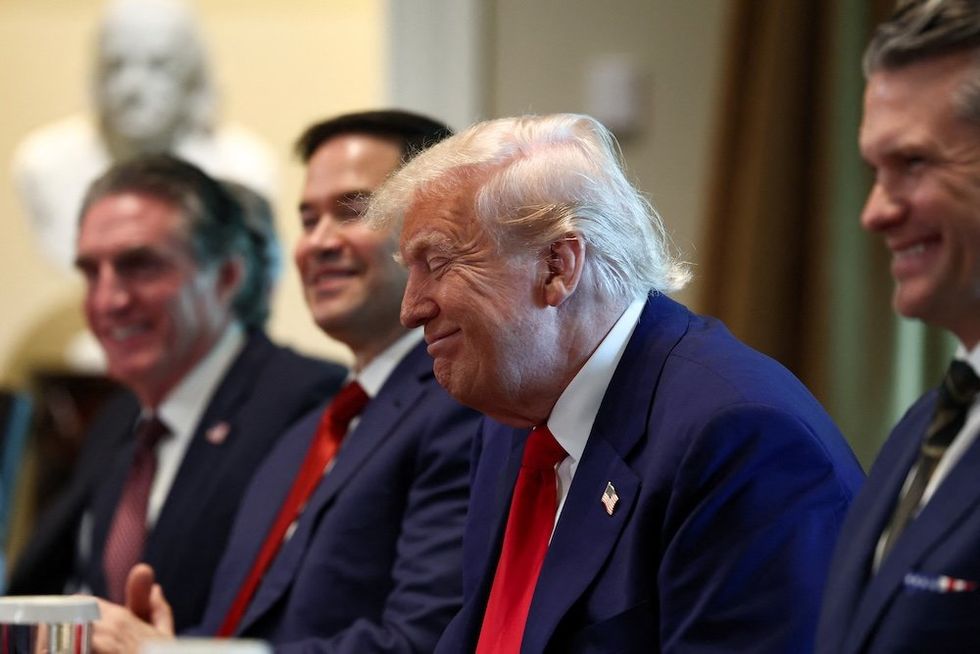
President Trump is reviewing whether to permit Nvidia sales of H200 chips to China. The H200 offers more advanced capabilities than currently restricted models.

Chinese companies continue expanding their Southeast Asian data center footprint. The offshore training model provides reliable access to necessary computing resources.

The post Chinese Tech Companies Find Workaround for Nvidia Chip Restrictions appeared first on Blockonomi.

Market Opportunity
Major Logo
Major Price(MAJOR)
$0.06301
$0.06301$0.06301
-0.50%
USD
Major (MAJOR) Live Price Chart
Disclaimer: The articles reposted on this site are sourced from public platforms and are provided for informational purposes only. They do not necessarily reflect the views of MEXC. All rights remain with the original authors. If you believe any content infringes on third-party rights, please contact crypto.news@mexc.com for removal. MEXC makes no guarantees regarding the accuracy, completeness, or timeliness of the content and is not responsible for any actions taken based on the information provided. The content does not constitute financial, legal, or other professional advice, nor should it be considered a recommendation or endorsement by MEXC.

You May Also Like

SEC Backs Nasdaq, CBOE, NYSE Push to Simplify Crypto ETF Rules

SEC Backs Nasdaq, CBOE, NYSE Push to Simplify Crypto ETF Rules

The US SEC on Wednesday approved new listing rules for major exchanges, paving the way for a surge of crypto spot exchange-traded funds. On Wednesday, the regulator voted to let Nasdaq, Cboe BZX and NYSE Arca adopt generic listing standards for commodity-based trust shares. The decision clears the final hurdle for asset managers seeking to launch spot ETFs tied to cryptocurrencies beyond Bitcoin and Ether. In July, the SEC outlined how exchanges could bring new products to market under the framework. Asset managers and exchanges must now meet specific criteria, but will no longer need to undergo drawn-out case-by-case reviews. Solana And XRP Funds Seen to Be First In Line Under the new system, the time from filing to launch can shrink to as little as 75 days, compared with up to 240 days or more under the old rules. “This is the crypto ETP framework we’ve been waiting for,” Bloomberg research analyst James Seyffart said on X, predicting a wave of new products in the coming months. The first filings likely to benefit are those tracking Solana and XRP, both of which have sat in limbo for more than a year. SEC Chair Paul Atkins said the approval reflects a commitment to reduce barriers and foster innovation while maintaining investor protections. The move comes under the administration of President Donald Trump, which has signaled strong support for digital assets after years of hesitation during the Biden era. New Standards Replace Lengthy Reviews And Repeated Denials Until now, the commission reviewed each application separately, requiring one filing from the exchange and another from the asset manager. This dual process often dragged on for months and led to repeated denials. Even Bitcoin spot ETFs, finally approved in Jan. 2024, arrived only after years of resistance and a legal battle with Grayscale. According to Bloomberg ETF analyst Eric Balchunas, the streamlined rules could apply to any cryptocurrency with at least six months of futures trading on the Coinbase Derivatives Exchange. That means more than a dozen tokens may now qualify for listing, potentially unleashing a new wave of altcoin ETFs. SEC Clears Grayscale Large Cap Fund Tracking CoinDesk 5 Index The SEC also approved the Grayscale Digital Large Cap Fund, which tracks the CoinDesk 5 Index, including Bitcoin, Ether, XRP, Solana and Cardano. Alongside this, it cleared the launch of options linked to the Cboe Bitcoin US ETF Index and its mini contract, broadening the set of crypto-linked derivatives on regulated US markets. Analysts say the shift shows how far US policy has moved. Where once regulators resisted digital assets, the latest changes show a growing willingness to bring them into the mainstream financial system under established safeguards
Share
CryptoNews2025/09/18 12:40
Visa Crypto Labs Launches Command-Line Tool for Secure AI Payments
Visa Crypto Labs Launches Command-Line Tool for Secure AI Payments

The post Visa Crypto Labs Launches Command-Line Tool for Secure AI Payments appeared on BitcoinEthereumNews.com. Visa Crypto Labs launches “Visa CLI,” a Command
Share
BitcoinEthereumNews2026/03/19 19:06
Trump just shattered an economic record — and it's catastrophic

Trump just shattered an economic record — and it's catastrophic

Under President Donald Trump, the United States national debt crossed $39 trillion for the first time as of Tuesday — meaning that it has grown by $1 trillion since
Share
Alternet2026/03/19 18:14
