

“Nigeria’s hustle culture is its biggest strength”: Onafriq CEO, Okoudjou on building pan-African fintech
For more than a decade, Dare Okoudjou has been building digital highways, fintech that allow money to flow across Africa’s borders. As the founder and CEO of Onafriq, he’s connected nearly a billion mobile money wallets across more than 40 African countries, creating infrastructure that most people never see but millions depend on daily.
Yet despite Africa’s enormous potential, Okoudjou has learned that the continent’s biggest challenge isn’t what most people think.
It’s not a lack of capital or infrastructure holding Africa back, as those resources are available and waiting. The problem is they’re waiting for something more fundamental: certainty.
“Capital and infrastructure don’t lead; they follow,” he says. “They follow clear regulations, stable policy environments, and a degree of certainty that allows long-term bets to be made.”
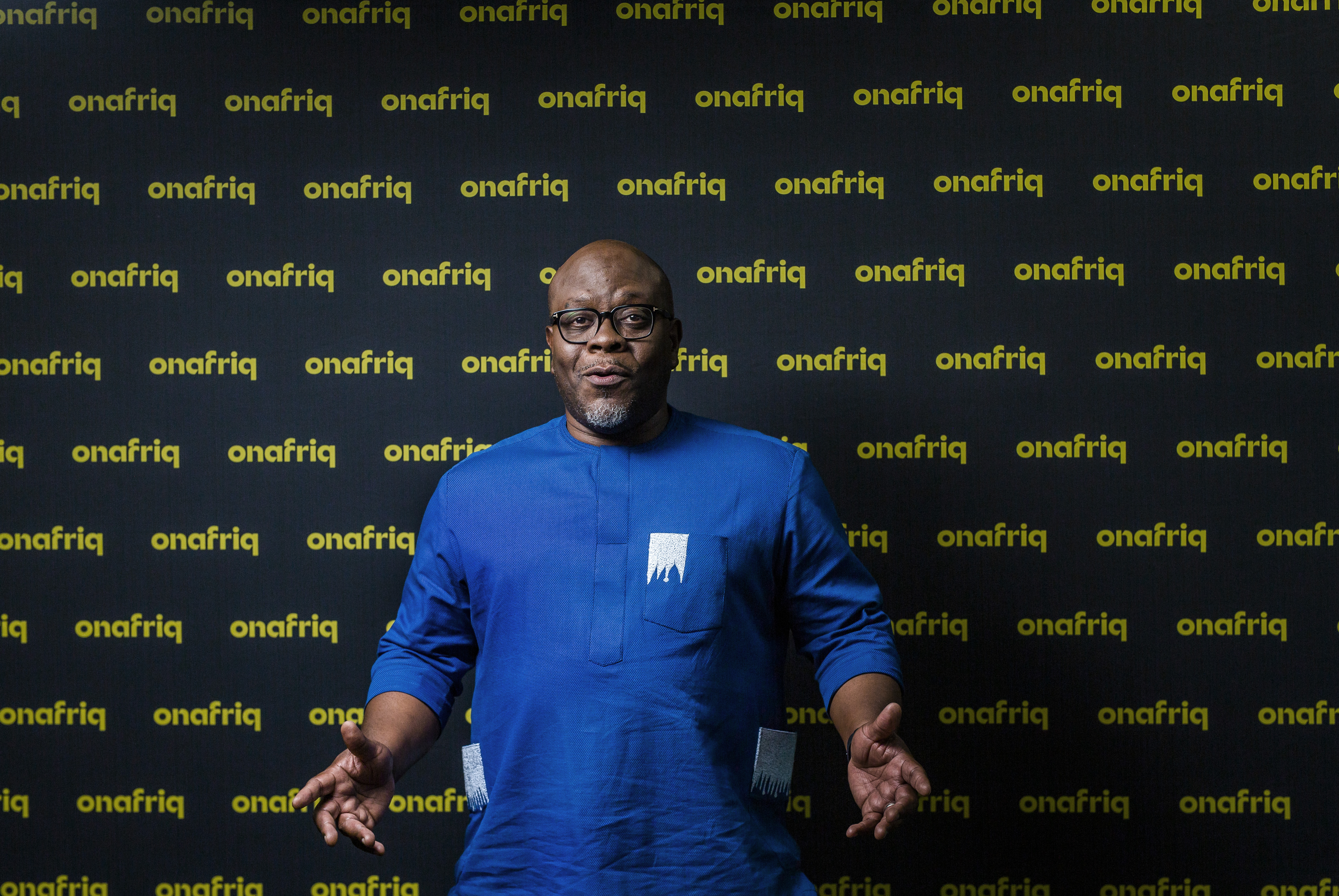 Dare Okoudjou, Onafriq CEO
When investors can’t see a clear regulatory path forward, or when rules shift unpredictably, the response is rational but devastating. So, everyone waits. And when they wait, innovation stalls.
This insight comes from someone who has witnessed Africa’s digital payments revolution experientially.
Okoudjou points to Côte d’Ivoire as the market that surprised him most. The West African nation has seen explosive growth thanks to players like Djamo and Wave, who’ve met consumers exactly where they are with simple onboarding and services that solve everyday problems.
“The competition there is intense and healthy, which pushes everyone to raise their game,” he notes. “When innovation meets consumer demand and strong fundamentals, adoption accelerates very quickly.“
The hidden cost of a fragmented continent
But success stories like Côte d’Ivoire exist within a larger challenge that Okoudjou knows intimately, which is Africa’s profound fragmentation.
With over 50 countries, most of them economically sub-scale, using more than 40 currencies and operating under entirely different regulatory frameworks, the continent’s payment systems were never designed to work together.
The costs of this fragmentation are staggering, even if invisible to most users. “First, it raises direct transaction costs,” Okoudjou explains, because cross-border payments must pass through multiple intermediaries, each taking a fee.
“Second, it increases FX costs. When two countries can’t settle directly, payments route through a third currency, usually USD, with FX spreads added at every step.“

Then there’s the compliance burden. Every market has its own know-your-customer rules, data requirements, and reporting standards, forcing companies to build custom processes for each country. “That slows down innovation and adds cost to every transaction,” he says.
Yet Okoudjou sees opportunity in even the smallest markets. Countries like Lesotho or Togo can leverage their size as an advantage. “Smaller markets can modernise regulation faster, test innovations quickly, and become hubs for cross-border services,” he argues. “In a connected Africa, size matters less than speed.“
The vision extends beyond consumer payments. While remittances from the African diaspora exceed $100 billion annually, small businesses trying to trade across African borders still face enormous friction.
What’s needed, the Onafriq CEO explains, are three things.
- Bilateral agreements that allow money to flow freely in both directions,
- Regulatory harmonisation so providers aren’t navigating dozens of different rule sets,
- And cost structures that can compete with informal systems while offering the transparency of formal channels.
His rebrand from MFS Africa to Onafriq signalled ambitions beyond mobile money. When asked where African fintech goes next, Okoudjou is clear: “There are still no great solutions for SMEs. That market is complex to serve and has very unique needs.“
As consumer and enterprise markets mature, he expects to see innovative solutions emerge for this underserved segment.
The funding environment has cooled considerably since the 2021-2022 highs, but Okoudjou sees green shoots. “Family offices are learning fast. Many are starting to make small investments in fintech, which is a good sign,” he says.
The opportunity now is for them to evolve from passive investors to active partners. Pension funds remain largely absent, constrained by regulations that prevent meaningful fintech investments in many countries.
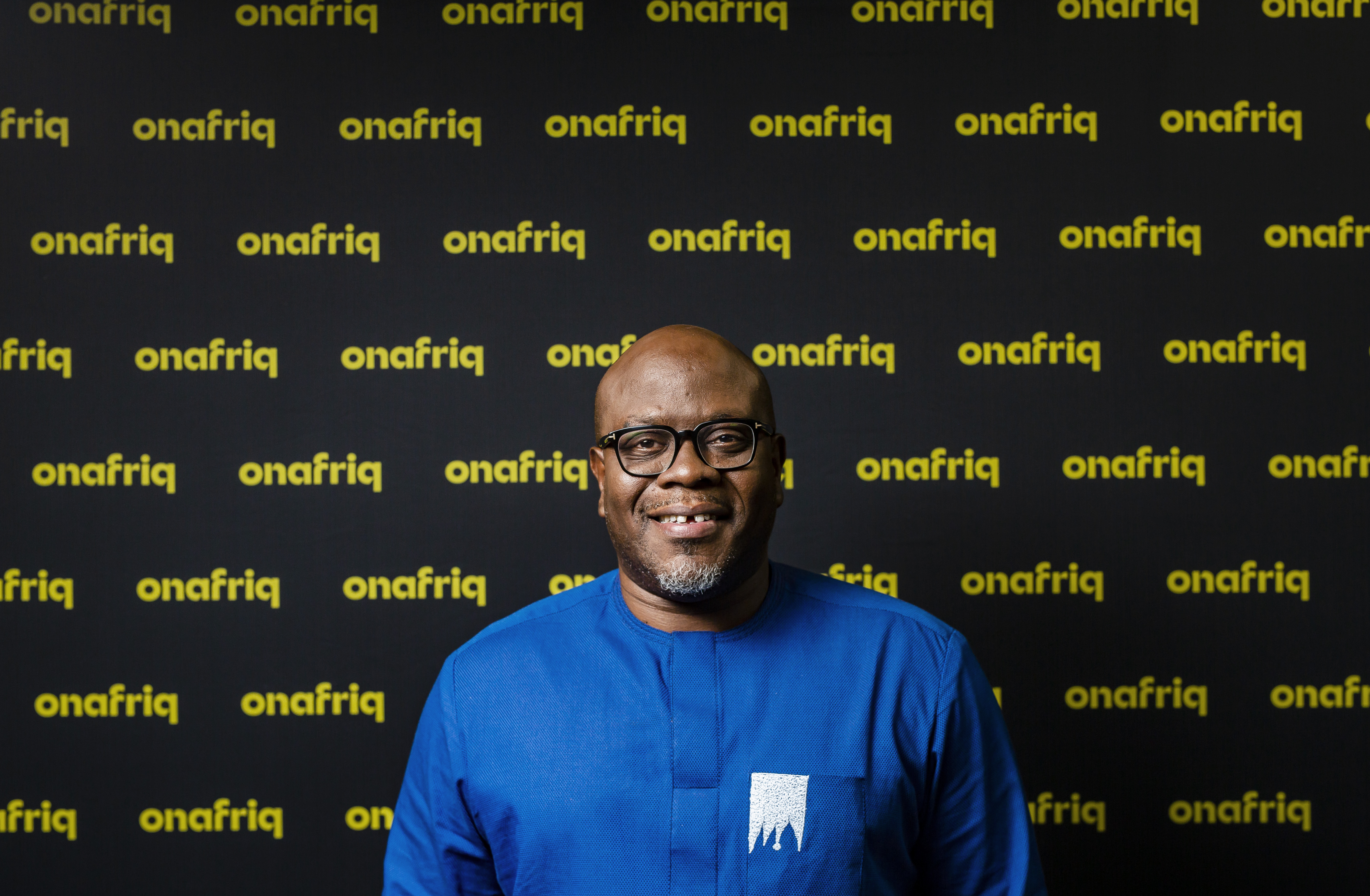 Dare Okoudjou, Onafriq CEO
On the talent front, Okoudjou takes a pragmatic view of the diaspora versus local talent debate.
“Diaspora talent brings global exposure and pattern recognition. Local talent understands the nuance of operating on the ground and product understanding.” The magic happens when you combine both perspectives to build products that are world-class yet locally relevant.
Perhaps nowhere illustrates Africa’s complexity better than Nigeria. While many assume it’s Africa’s largest fintech market, Okoudjou offers a correction: “While Nigeria has the biggest consumer market, South Africa is the largest fintech market in terms of revenue and profits.”
What makes Nigeria unique, he explains, are three factors: the Central Bank of Nigeria’s active and decisive regulatory presence, NIBBS infrastructure that enables innovation while creating concentration risk, and most importantly, the people themselves.
Looking ahead five years, Okoudjou doesn’t see complete consolidation as inevitable or even desirable. “There are limits to consolidation because the continent itself is fragmented,” he acknowledges.
Instead, he envisions more seamless interoperability between major infrastructures across the continent, i.e., the digital rails working together even as they remain distinct.
For a man who’s spent over a decade building the invisible infrastructure that powers African payments, Okoudjou’s message is ultimately about creating the conditions for others to succeed. It’s not about having all the capital or the newest technology.
It’s about predictability, interoperability, and giving even the smallest players a chance to connect to something bigger than themselves.
In Okoudjou’s Africa, potential becomes reality not through any single breakthrough, but through the patient work of connecting systems, aligning incentives, and building the trust that allows everyone (from the smallest entrepreneur in Togo to the largest fintech in Lagos) to make long-term bets on the continent’s future.
You May Also Like

American Bitcoin’s $5B Nasdaq Debut Puts Trump-Backed Miner in Crypto Spotlight

Tether Engages Big Four for First Full Audit – Crypto News Bitcoin News

