

Celestia-based shared sequencer Astria shuts down: A sobering look at modular blockchain challenges
BitcoinWorld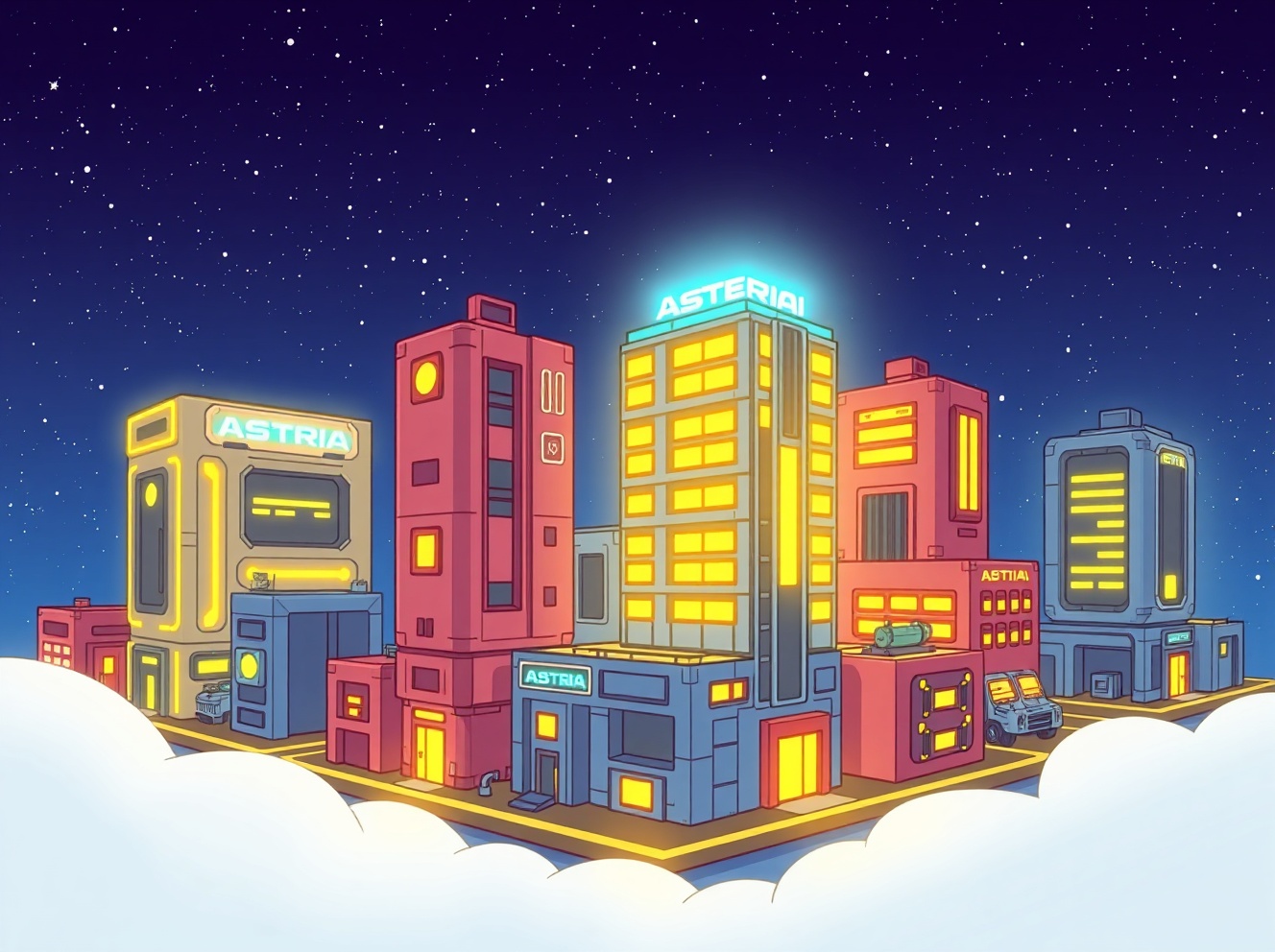
Celestia-based shared sequencer Astria shuts down: A sobering look at modular blockchain challenges
In a surprising move that has sent ripples through the modular blockchain community, Astria, a prominent Celestia-based shared sequencer, has announced it is ceasing all operations. This decision follows its mainnet launch just last year, leaving many to wonder about the underlying challenges in this innovative sector. What does this shutdown reveal about the practical hurdles of building decentralized infrastructure?
What exactly was the Celestia-based shared sequencer Astria?
To understand the significance of this shutdown, we must first grasp what Astria was building. A shared sequencer acts as a neutral, decentralized layer that orders transactions before they are finalized on a blockchain. Astria built this service specifically on top of Celestia, a network designed for data availability. The goal was ambitious: to provide a scalable, trust-minimized sequencing layer that multiple “rollup” blockchains could use, rather than each building their own. This Celestia-based shared sequencer model promised greater efficiency and interoperability for the entire modular blockchain ecosystem.
Why did the Astria sequencer cease operations?
The official announcement, reported by The Block, did not provide a specific reason for the shutdown. However, the timeline offers crucial clues. The project halted product development and stopped operating its Celestia validator node earlier this year. These were clear warning signs. Potential reasons could include:
- Technical Complexity: Building robust, decentralized sequencing is a formidable engineering challenge.
- Economic Viability: The business model for a shared sequencer service might not have proven sustainable.
- Competitive Landscape: The space for Celestia-based shared sequencer solutions is becoming crowded, with other teams exploring similar concepts.
- Strategic Pivot: The team may have decided resources were better allocated elsewhere in the rapidly evolving crypto landscape.
The lack of detailed communication from the Astria team, both now and during earlier halts, has unfortunately left more questions than answers for its community and observers.
What are the implications for modular blockchain development?
Astria’s shutdown is a sobering moment, but it is not a verdict on the entire modular thesis. Innovation inherently involves trial and error. This event highlights several key lessons for builders and investors in the space. First, infrastructure projects require immense long-term commitment and capital. Second, clear communication with the community is paramount, especially during difficult decisions. Finally, the failure of one Celestia-based shared sequencer does not invalidate the core need for shared sequencing solutions. Other projects will undoubtedly learn from Astria’s journey.
What’s next for shared sequencing and Celestia?
The demand for efficient transaction ordering in a multi-rollup world remains strong. Celestia’s data availability layer continues to see significant adoption, proving the foundational value of its technology. The concept of a Celestia-based shared sequencer is still compelling. Therefore, we can expect other teams to continue exploring this architecture, potentially with different technical or economic approaches. Astria’s story serves as a crucial case study in the gritty reality of bringing groundbreaking crypto infrastructure to life.
In conclusion, the shutdown of the Astria Celestia-based shared sequencer is a poignant reminder of the high stakes in crypto development. While it marks the end of one project’s journey, it provides invaluable data points for the entire industry. The pursuit of scalable, modular blockchains will continue, forged by both successes and setbacks like this one.
Frequently Asked Questions (FAQs)
Q: What was Astria?
A: Astria was a project building a shared sequencer network, a service to order transactions for multiple blockchains, built using Celestia’s technology.
Q: Why did Astria shut down?
A: The team did not disclose a specific reason. The shutdown followed earlier pauses in development and node operations, suggesting significant technical or strategic challenges.
Q: Does this mean shared sequencers are a bad idea?
A: Not necessarily. Astria’s shutdown highlights the implementation challenges, but the core problem of efficient transaction ordering for rollups remains unsolved, so other teams will continue working on it.
Q: How does this affect Celestia?
A: Celestia is a separate data availability network. While one project using its technology has ended, Celestia itself continues to operate and is adopted by many other projects.
Q: Can users who interacted with Astria recover funds?
A: Astria was infrastructure, not typically a custodial service for user funds. Users should always ensure their assets are in self-custodied wallets they control, not reliant on any single project’s continued operation.
Q: Where can I learn more about shared sequencing?
A: To learn more about the latest modular blockchain and shared sequencing trends, explore our article on key developments shaping the future of Ethereum scalability and rollup technology.
Found this deep dive into the Astria shutdown insightful? The modular blockchain space moves fast, and knowledge is power. Share this article on social media to spark a conversation with your network about the real-world challenges of building Web3.
This post Celestia-based shared sequencer Astria shuts down: A sobering look at modular blockchain challenges first appeared on BitcoinWorld.
You May Also Like

Why Localization Services Matter for Software Companies

₹71L CoinDCX Fraud Case Turns, Court Finds No Link to Founders

