

AI Factories Unleashed: Amazon’s Strategic On-Premises Move Challenges Microsoft’s Cloud Dominance
BitcoinWorld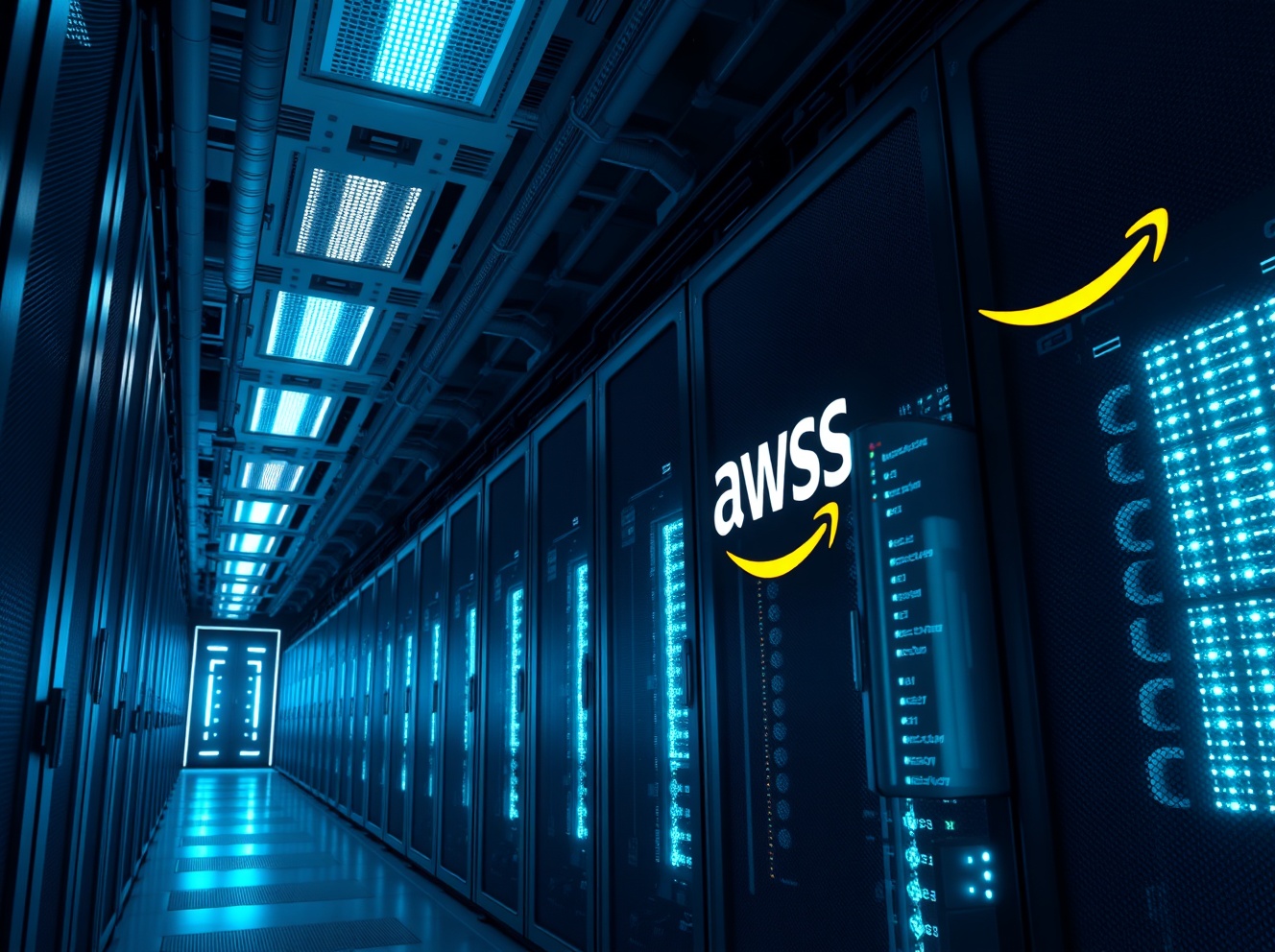
AI Factories Unleashed: Amazon’s Strategic On-Premises Move Challenges Microsoft’s Cloud Dominance
In a bold move reshaping the enterprise AI landscape, Amazon Web Services has unveiled its ‘AI Factories’ – on-premises systems powered by Nvidia technology that let corporations and governments run cutting-edge AI without sending sensitive data to the cloud. This strategic play directly challenges Microsoft’s cloud dominance and addresses growing concerns about data sovereignty in an increasingly regulated world. For cryptocurrency enthusiasts watching the infrastructure powering blockchain and AI convergence, this development signals where the next computational battles will be fought.
What Are AI Factories and Why Do They Matter?
AI Factories represent a hybrid approach to artificial intelligence infrastructure. Instead of relying solely on public cloud services, organizations can now deploy complete AI systems within their own data centers. AWS provides the hardware, software, and management, while customers maintain physical control over their data and infrastructure. This model addresses one of the most pressing concerns in enterprise technology today: data sovereignty.
The concept isn’t entirely new – Nvidia has been promoting its AI Factory hardware systems for months. What makes Amazon’s announcement revolutionary is the complete package: Nvidia’s latest Blackwell GPUs or Amazon’s own Trainium3 chips, combined with AWS networking, storage, security, and access to Amazon Bedrock and SageMaker AI tools. This creates a seamless bridge between on-premises computing and cloud services.
The Data Sovereignty Imperative Driving Hybrid Cloud Adoption
Data sovereignty concerns have become a primary driver for hybrid cloud solutions. Governments and corporations increasingly demand absolute control over sensitive information, particularly when dealing with:
- Financial data and transaction records
- Healthcare and patient information
- National security and defense intelligence
- Proprietary research and development
- Personal identification and biometric data
Amazon’s AI Factories directly address these concerns by keeping data within organizational boundaries while still providing access to cutting-edge AI capabilities. This approach eliminates the risk of data winding up with competitors or foreign adversaries – a fear that has stalled many cloud AI adoption plans.
Amazon Web Services vs. Microsoft: The AI Infrastructure Battle Heats Up
The competition between cloud giants has entered a new phase. While Microsoft announced its own AI Factories in October to support OpenAI workloads, Amazon’s approach differs significantly:
| Feature | Amazon AI Factories | Microsoft AI Superfactories |
|---|---|---|
| Deployment Model | Customer data centers | Microsoft data centers |
| Data Sovereignty | Full customer control | Azure Local option available |
| Primary Hardware | Nvidia Blackwell or Trainium3 | Nvidia AI Factory systems |
| Integration | AWS cloud services | Azure cloud ecosystem |
| Target Market | Governments, regulated industries | Enterprise AI workloads |
Microsoft has focused on building massive ‘AI Superfactories’ in Wisconsin and Georgia while offering Azure Local for on-premises deployments. Amazon’s strategy appears more immediately focused on capturing the data sovereignty market, potentially giving them an edge in government and highly regulated industry contracts.
Nvidia’s Pivotal Role in the Enterprise AI Revolution
Nvidia continues to be the indispensable player in the AI hardware space. Both Amazon and Microsoft depend on Nvidia’s technology, particularly their:
- Blackwell GPU architecture for training massive models
- Networking technology connecting thousands of chips
- Software ecosystem including CUDA and AI frameworks
- Reference designs for AI-optimized data centers
What’s particularly interesting is Amazon’s dual-track approach. While embracing Nvidia’s Blackwell GPUs, they’re also developing their own Trainium3 chips. This creates optionality for customers and competitive pressure on Nvidia, potentially leading to better pricing and innovation across the industry.
The Hybrid Cloud Comeback: Why 2025 Looks Like 2009
There’s undeniable irony in today’s AI revolution driving cloud providers back toward on-premises solutions. After more than a decade of ‘cloud-first’ messaging, we’re witnessing a resurgence of hybrid approaches reminiscent of the late 2000s. Several factors explain this shift:
- Regulatory Pressure: GDPR, CCPA, and sector-specific regulations make data location critical
- Cost Considerations: Massive AI training workloads can be cheaper on dedicated hardware
- Performance Requirements: Latency-sensitive applications need local processing
- Vendor Diversification: Companies want to avoid lock-in with single cloud providers
- Security Demands: Physical control provides additional security layers
For cryptocurrency projects dealing with sensitive financial data and requiring maximum performance for AI-driven trading algorithms or blockchain analytics, this hybrid approach offers compelling advantages.
Actionable Insights for Enterprises Considering AI Factories
Organizations evaluating AI Factory deployments should consider these key factors:
- Assess Data Sensitivity: Determine which datasets require on-premises handling versus cloud processing
- Calculate Total Cost: Include power, cooling, and physical security in addition to hardware and software
- Evaluate Integration Needs: Consider how on-premises AI will connect with existing cloud services
- Plan for Scalability: Ensure your data center can support future AI hardware upgrades
- Review Compliance Requirements: Verify that the solution meets all regulatory obligations
The decision between Amazon’s AI Factories, Microsoft’s Azure Local, or other hybrid solutions will depend on specific organizational needs, existing cloud relationships, and long-term AI strategy.
Frequently Asked Questions
What companies are leading the AI Factory trend?
The primary players are Amazon Web Services with their newly announced AI Factories and Microsoft with their AI Superfactories. Both rely heavily on Nvidia hardware and technology.
Who is Julie Bort?
Julie Bort is the Startups/Venture Desk editor for Bitcoin World who reported on this development. She covers enterprise technology and venture capital trends.
What is Amazon Bedrock?
Amazon Bedrock is AWS’s AI model selection and management service that will be accessible through the AI Factory systems, allowing customers to use various foundation models while keeping their data on-premises.
How does this affect cryptocurrency and blockchain projects?
Cryptocurrency exchanges, trading firms, and blockchain analytics companies dealing with sensitive financial data may find AI Factories particularly valuable for running AI models without exposing transaction data to third-party clouds.
What are the main benefits of on-premises AI?
The primary advantages are data sovereignty, reduced latency, potential cost savings for large-scale workloads, and compliance with data localization regulations that affect many financial and government applications.
Conclusion: The Future of Enterprise AI is Hybrid
Amazon’s AI Factories announcement marks a significant shift in the cloud computing landscape. By bringing Nvidia-powered AI systems directly to customer data centers, AWS is addressing fundamental concerns about data control while maintaining access to cutting-edge AI capabilities. This move challenges Microsoft’s cloud dominance and reflects broader industry trends toward hybrid solutions.
For cryptocurrency and blockchain organizations, these developments offer new options for deploying AI while maintaining the security and sovereignty required for financial applications. As AI becomes increasingly integrated into trading algorithms, security systems, and blockchain analytics, having control over where and how data is processed will become ever more critical.
The battle between cloud giants is no longer just about who has the most data centers – it’s about who can provide the most flexible, secure, and powerful AI infrastructure wherever customers need it. Amazon’s AI Factories represent a strategic bet that the future of enterprise AI will be hybrid, distributed, and sovereign.
To learn more about the latest AI infrastructure trends and how they’re shaping cryptocurrency and blockchain applications, explore our comprehensive coverage of key developments in AI hardware, cloud computing, and their convergence with decentralized technologies.
This post AI Factories Unleashed: Amazon’s Strategic On-Premises Move Challenges Microsoft’s Cloud Dominance first appeared on BitcoinWorld.

You May Also Like

Why Localization Services Matter for Software Companies

₹71L CoinDCX Fraud Case Turns, Court Finds No Link to Founders

