

Gulf heirs build ‘legacy brands’ in era of transparency
Gulf family businesses are entering a transition period as next-generation heirs carve out their own “legacy brands” amid a broader push for financial transparency.
The successors within these businesses face a different landscape from their parents, with global capital, regulation and disclosure now central to growth. As family groups court foreign partners, they are adjusting to tighter reporting standards and more-formal governance, experts said.
Obediah Ayton, chairman of the Family Office Summit, says legacy brands are independent ventures launched by members of prominent families and backed by family capital. They are gaining momentum in the UAE as younger heirs branch into new sectors without wanting to risk their families’ long-established reputations.
“I want family businesses to become capitalists from the family wealth side,” Ayton said. “So if [a local family business] wants an American family to invest alongside [them] in a real estate asset in Saudi Arabia, there needs to be this kind of disclosure of paying tax, showing books to the regulator.”
The UAE introduced corporate tax in 2022 in a bid to avoid tax-motivated profit shifting and tax avoidance. The move came just months after the intergovernmental Financial Action Task Force placed the UAE in its “grey list”, which it applies to jurisdictions with weak measures to combat money laundering and terrorist financing. The UAE was removed from the grey list in 2024.
“This place doesn’t want the reputation [of a tax haven]. But you need the private sector to comply with that, which is going to take time,” he said.
Many financial institutions and family offices are put off by tax havens and refrain from backing companies in jurisdictions with such arrangements, Ayton said.
According to a Family Office Exchange report, about 200 family offices were set up in Dubai’s financial centre DIFC in 2024, marking 33 percent year-on-year growth. Today, 75 percent of the family offices in the Middle East are in the UAE. Dubai now hosts over 800 family-related structures.
Family offices are wealth management entities for family businesses.
“Last year, there was $30 billion in foreign direct investment that came into the UAE. We also have a lot of family offices that are relocating [to the UAE] and a lot of high-net-worths coming in,” said Adam Wilson, managing director in the real estate group at financial advisory company Kroll.
Switzerland’s Lombard Odier, a 225-year-old private bank, obtained an advisory licence in the DIFC in 2023.
US investor Leon Black and hedge fund billionaire Ray Dalio opened branches of their family offices in Abu Dhabi.
Egyptian billionaire Nassef Sawiris also announced plans to redomicile his family office to Abu Dhabi.
Foreign money heading to the UAE is either running to the sovereigns in Abu Dhabi to seek cash to collaborate in investments, “or they’re trying to sniff around for legacy brands”, said Ayton.
Further reading:
- Gulf family offices brace for a new era of oversight and accountability
- The $18 trillion challenge for family offices
- Ultra-wealthy pinpoint Gulf to set up family offices
Examples of family members starting legacy brands include Tariq Al Futtaim of the Al Futtaim family, who launched his own private investment platform; Abdul Aziz and Saood Al Ghurair, who launched holding company Hattan; and Abdulla Saeed Juma Al Naboodah, who set up investment company Phoenix Capital.
Family offices are also diversifying away from their core business to add new investments and acquisitions to their portfolio.
“Now those [new investments] are adding value to their existing business,” said Pankaj Gupta, co-founder and co-CEO of Gulf Islamic Investments.
“They’re seeing cash returns, increase in valuation and have brought additional business streams.”


You May Also Like

ETH Enters High-Stakes Decision Zone
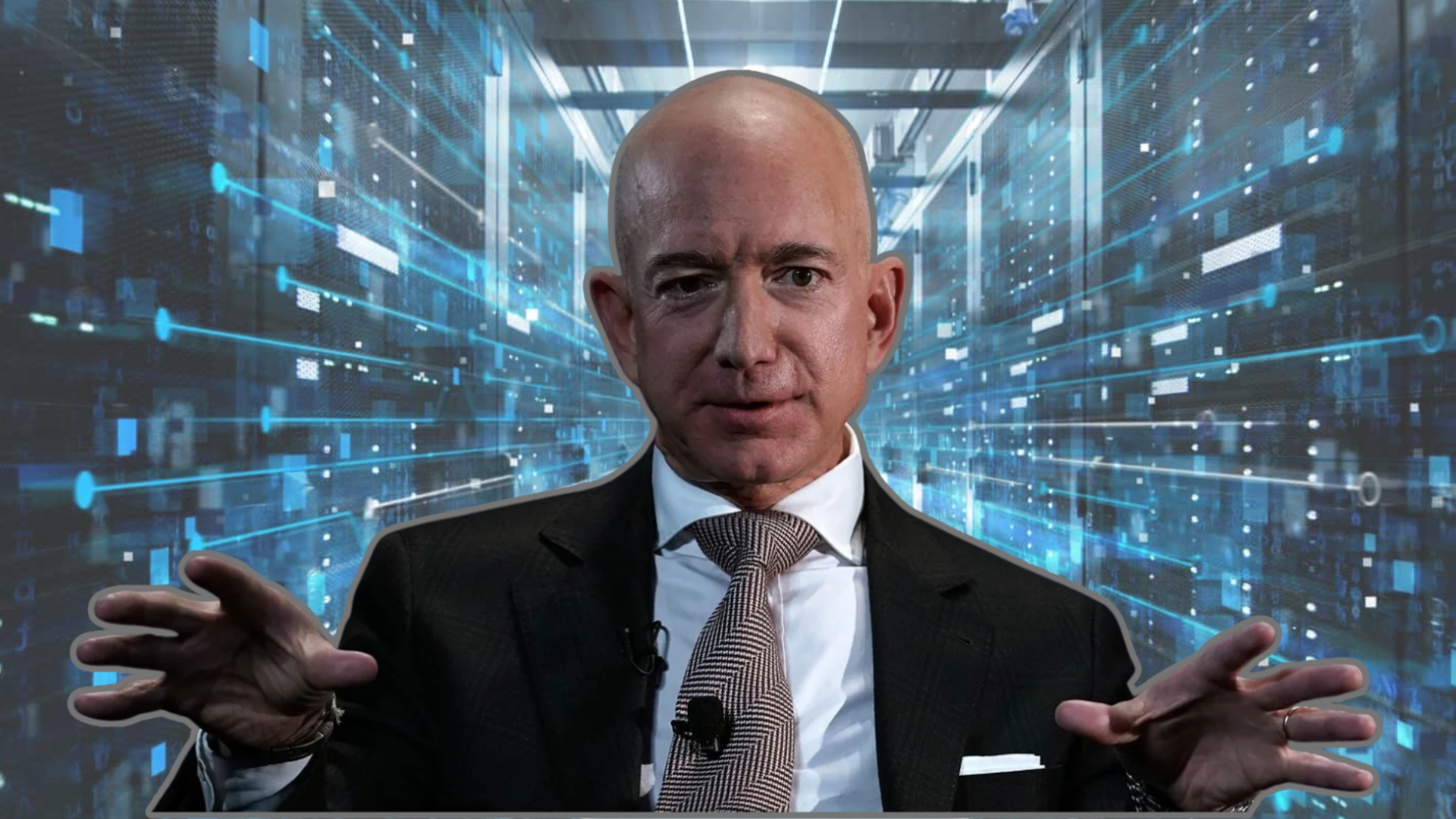
Jeff Bezos Just Raised $12 Billion. He’s Betting His Newest Business Will Create the Next Elon Musk or Henry Ford

American Fusion CTO Invited to Present Texatron Fusion Engine at ICOPS 2026



