

Japan’s Bold Move: FSA Considers Major Shift in Crypto Regulation to Protect Investors
BitcoinWorld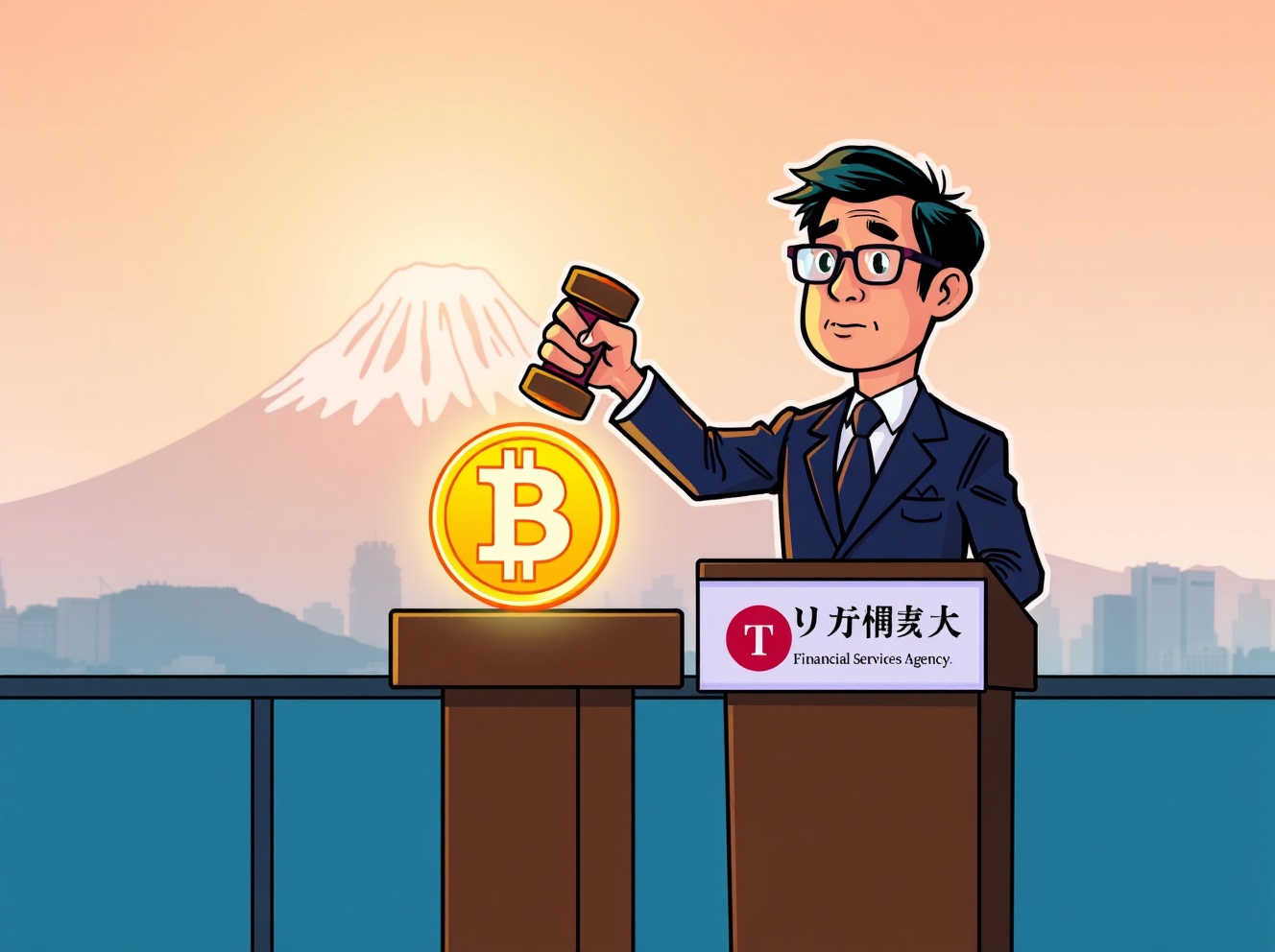
Japan’s Bold Move: FSA Considers Major Shift in Crypto Regulation to Protect Investors
Japan is poised for a seismic shift in its approach to digital assets. The country’s Financial Services Agency (FSA) is actively considering a major overhaul, moving its crypto regulation framework from the Payment Services Act to the stricter Financial Instruments and Exchange Act. This potential change signals a new era of investor protection and market transparency in one of the world’s most mature crypto economies.
Why is Japan Changing its Crypto Regulation?
Japan has long been a pioneer in establishing clear rules for cryptocurrency exchanges. However, the rapid evolution of the market, particularly the rise of complex fundraising methods like Initial Exchange Offerings (IEOs), has exposed gaps in the current system. The FSA’s move aims to close these gaps by applying the rigorous standards of securities law to a broader range of crypto activities. This shift fundamentally reclassifies many digital tokens as financial instruments, bringing them under a more comprehensive regulatory umbrella.
What Does Stricter Crypto Regulation Mean for Projects and Exchanges?
The proposed changes would introduce significant new requirements, primarily focused on transparency and disclosure. For market participants, this translates into concrete obligations:
- Enhanced IEO Disclosures: Exchanges must pre-disclose detailed information about token issuers, tokenomics, and security audit results.
- Project Accountability: All projects, even those claiming to be decentralized, must clarify their issuance methods, distribution plans, and operating entities.
- Expanded Enforcement: The FSA seeks authority to crack down on unregistered overseas platforms and decentralized exchanges (DEXs) targeting Japanese users.
- Explicit Insider Trading Ban: The rules would formally prohibit insider trading in crypto assets, aligning with traditional market standards.
Who Benefits from this Regulatory Overhaul?
This move is designed with a clear beneficiary in mind: the investor. By demanding higher levels of disclosure, the FSA empowers individuals to make more informed decisions. It reduces the risk of fraud and market manipulation, fostering a safer environment. Furthermore, clear rules provide legitimacy, which could attract more institutional investment into Japan’s crypto sector. For compliant exchanges and serious projects, a well-regulated market reduces uncertainty and builds long-term trust.
What are the Potential Challenges of this New Crypto Regulation?
While the intent is protective, the transition may present hurdles. Stricter compliance could increase operational costs for exchanges and startups, potentially stifling innovation. The regulation of decentralized entities also poses a complex legal and technical challenge. How will authorities enforce rules on permissionless protocols with no central operator? Balancing robust crypto regulation with the innovative, borderless nature of blockchain technology will be the FSA’s key test.
Conclusion: A Watershed Moment for Global Crypto Regulation
Japan’s potential regulatory pivot is more than a domestic policy update; it’s a bellwether for the global industry. By aligning digital assets with traditional securities law, Japan is setting a precedent for mature, investor-first crypto regulation. This approach may inspire other nations seeking to harness the potential of crypto while mitigating its risks. The move underscores a crucial evolution: from treating crypto primarily as a payment method to recognizing its role as a complex financial instrument that demands proportionate oversight.
Frequently Asked Questions (FAQs)
Q1: What is the main law Japan is using for crypto regulation now?
A1: Currently, Japan regulates cryptocurrencies primarily under the Payment Services Act (PSA). The proposed change would shift the core framework to the Financial Instruments and Exchange Act (FIEA).
Q2: How will this affect my crypto investments in Japan?
A2: For most retail investors, the impact should be positive. You can expect more transparent information from projects and exchanges, leading to a safer investment environment with reduced fraud risk.
Q3: Will Decentralized Exchanges (DEXs) be banned in Japan?
A3: Not necessarily banned, but they will likely fall under new scrutiny. The FSA is seeking enforcement authority over DEXs that serve Japanese users, meaning they may need to find ways to comply with disclosure and operational rules.
Q4: When will these new crypto regulations take effect?
A4: The change is still under consideration. The FSA has announced it is exploring the shift, but formal legislation and implementation will take time, likely involving a public consultation period.
Q5: Does this mean all cryptocurrencies will be classified as securities?
A5: Not all, but many more will be. The FIEA’s application will depend on the characteristics of each token. Payment-focused tokens might be treated differently from those that function like investment contracts or shares.
Q6: How does Japan’s approach compare to the US SEC’s stance on crypto?
A6: The move aligns Japan more closely with the US Securities and Exchange Commission’s (SEC) view that many tokens are securities. However, Japan is creating a tailored framework within its existing laws, whereas the US is grappling with enforcement and new rulemaking.
Found this deep dive into Japan’s evolving crypto regulation helpful? Share this article with your network on Twitter or LinkedIn to spark a conversation about the future of global crypto policy!
To learn more about the latest regulatory trends, explore our article on key developments shaping cryptocurrency institutional adoption.
This post Japan’s Bold Move: FSA Considers Major Shift in Crypto Regulation to Protect Investors first appeared on BitcoinWorld.
You May Also Like

Shiba Inu Price Prediction: PEPE Holders Looking For The Next 100x Crypto Set Their Sights On Layer Brett Presale

Vitalik Buterin Reveals Ethereum’s Long-Term Focus on Quantum Resistance


