

Why Trust Is the Real Growth Engine for Early-Stage Startups
Most early-stage startups obsess over growth tactics. CAC, funnels, virality, AI, paid acquisition, SEO. All important. But after two decades scaling consumer and SaaS businesses, I’ve learned this the hard way:
\ You can hack attention. You can buy traffic. You can even brute-force early traction. But trust is the invisible force that turns short-term wins into compounding growth. And for early-stage startups, it’s often the difference between a spike and a sustainable business.
In today’s market, where customers are more skeptical, more informed, and more overwhelmed than ever, trust isn’t a brand nice-to-have. It’s the foundation of scalable growth.
\
The Trust Gap Every Early-Stage Startup Faces
Early-stage startups start at a disadvantage. You have limited brand recognition, minimal social proof, and an evolving product. From a customer’s perspective, you’re risky by default.
Every interaction becomes a trust test:
- Will this product actually work?
- Is this company credible?
- Will my data be safe?
- Will they still exist in a year?
If trust isn’t intentionally designed into the product and experience, friction creeps into every step of the funnel. Conversion drops. Retention suffers. Word of mouth never kicks in.
No amount of growth hacking fixes a trust deficit.
\
Why Trust Scales Growth Better Than Any Channel
Trust is one of the few growth levers that compounds.
When trust is high:
- Conversion rates increase without higher spend
- Retention improves, lifting lifetime value
- Referrals happen organically, lowering CAC
- Sales cycles shorten and onboarding friction drops
This is why some startups scale efficiently while others burn capital chasing the same users repeatedly. The difference isn’t always product quality. It’s perceived credibility.
Trust quietly improves every growth metric at once.
\
How Early-Stage Startups Can Build Trust From Day One
Trust is not built through slogans or mission statements. It’s built through consistent signals across product, marketing, and experience.
Here’s what actually works.
1. Be Radically Clear About Who You’re For
Nothing erodes trust faster than vague positioning.
Early-stage founders often try to appeal to everyone. The result is generic messaging that resonates with no one.
Trust is built through clarity:
- Be explicit about your ideal user
- Speak directly to their core problem
- Say no to use cases you don’t support yet
When customers feel like something was built specifically for them, trust accelerates.
2. Show Your Work, Not Just Your Wins
Polished marketing doesn’t equal credibility.
Early users trust startups that are transparent about:
- What’s working
- What’s still evolving
- What’s on the roadmap
Shipping notes, changelogs, and founder updates signal confidence. Admitting imperfection often increases trust because it feels honest and human.
3. Let Customers Become the Proof
You don’t need big logos to build trust. You need real users.
Authentic testimonials, early customer stories, and unpolished quotes outperform overproduced case studies. Social proof works best when it feels human, not manufactured.
People trust people, not brands.
4. Design Trust Into the Product Experience
Trust is reinforced through behavior, not just messaging.
Signals that matter:
- Fast load times show competence
- Simple onboarding shows respect for time
- Clear pricing shows honesty
- Easy cancellation shows confidence
Dark patterns might boost short-term metrics, but they destroy long-term trust. Startups that design for trust win on retention.
5. Be Explicit About Data, Privacy, and AI
As AI becomes embedded in more products, trust becomes fragile.
Users want clarity on:
- What data is collected
- How it’s used
- What’s automated versus human-driven
- Where AI influences decisions
Startups that proactively explain this build credibility faster. Transparency here is not a legal checkbox. It’s a growth lever.
6. Community Is a Trust Multiplier
One of the most underutilized trust-building tools for early-stage startups is community.
When users can learn from each other, share feedback openly, and see real conversations happening, trust scales faster. Community turns a product into a shared experience rather than a transaction.
We’re starting to see this play out in platforms like TYB, where brands use community not as a marketing channel, but as a trust layer. By combining community engagement with data and AI-driven insights, these models turn customers into participants and advocates. The result is not just higher engagement, but also stronger brand belief, which compounds growth far more effectively than traditional acquisition tactics.
Community-powered growth works because trust doesn’t come from the company. It comes from peers.
7. Founder Presence Still Matters Early On
At the early stage, founders are the brand.
Customers trust:
- Visible founders
- Clear thinking
- Consistent values
This doesn’t require becoming an influencer. It means being present. Write clearly about the problem you’re solving. Engaging with feedback. Owning mistakes publicly.
\
\
Why Trust Becomes Your Moat
Features can be copied. Pricing can be undercut. Channels can dry up.
Trust is harder to replicate.
Startups that invest early in trust:
- Spend less to acquire customers
- Retain users longer
- Build stronger word-of-mouth loops
- Withstand market shifts more effectively
Trust rarely shows up neatly on dashboards, but its absence always does.
\
Trust Is a Growth Strategy
For early-stage startups, scaling isn’t just about faster experiments or better funnels. It’s about earning belief.
Trust turns traction into momentum. \n Trust turns users into advocates. \n Trust allows growth to compound instead of reset.
If you’re building early, ask yourself:
Are we optimizing for attention, or are we earning trust?
Because in the long run, trust scales faster.
\
You May Also Like
Unlocking Trust Dice’s 2026 No-Deposit Bonus: A Player’s
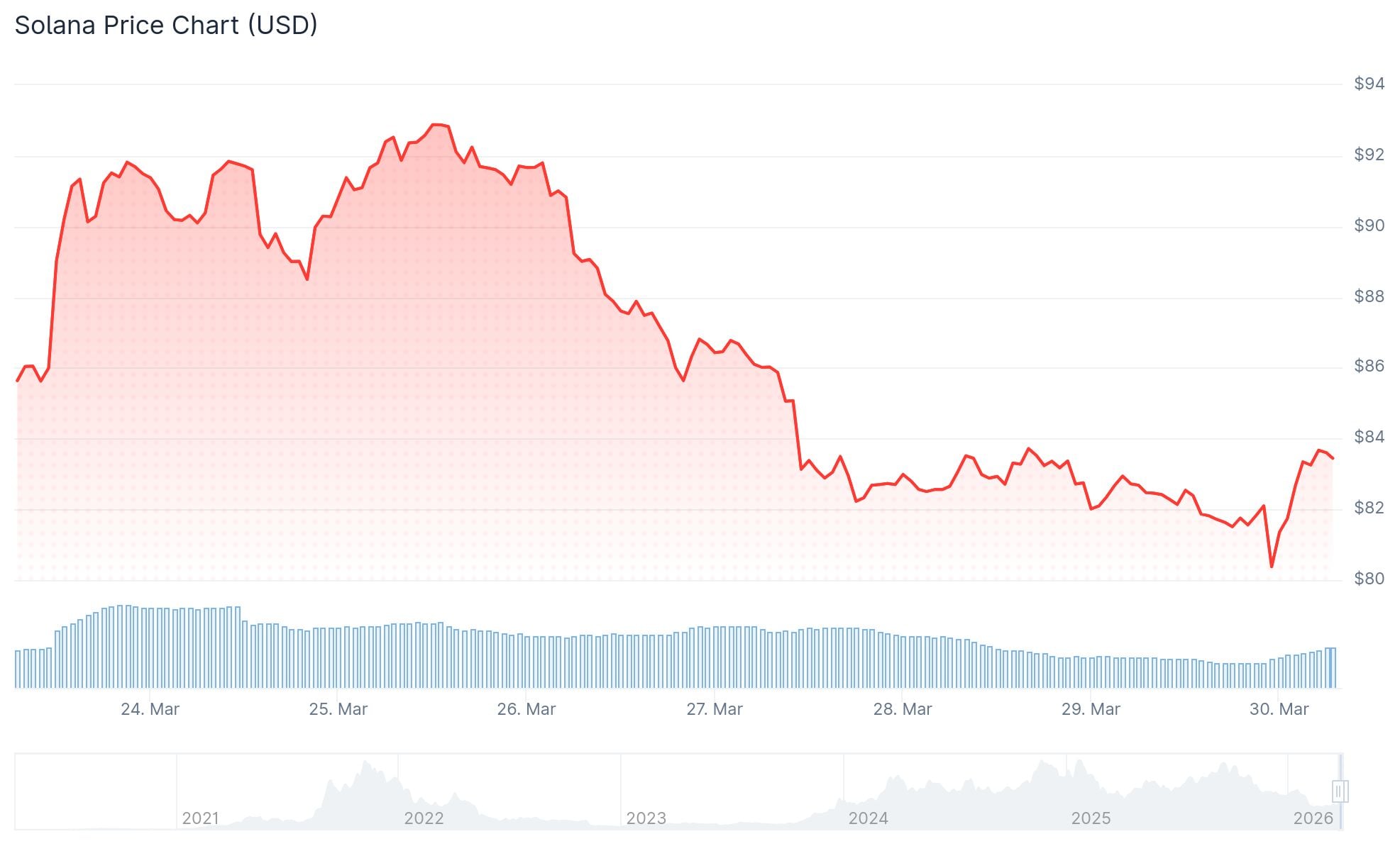
Solana (SOL) Price: Analyst Sees $45–$75 Buy Zone as ETF Outflows Hit Fourth-Largest on Record


