

Must Read
Experts say that the country's biggest challenge lies in bridging the gap between consumer interest and actual access to organic foodExperts say that the country's biggest challenge lies in bridging the gap between consumer interest and actual access to organic food
Why is it challenging for the Philippines to adopt organic agriculture?
For feedback or concerns regarding this content, please contact us at crypto.news@mexc.com
MANILA, Philippines – What would the Philippines look like if Filipinos fully embraced an organic lifestyle?
According to recent data, Filipino consumers are becoming increasingly health-conscious. A 2025 report by PwC showed that 67% of Filipinos consider nutritional value when buying food. Meanwhile, a separate study by Food Industry Asia found that 99% of Filipino consumers want to practice mindful eating, with many calling on the food industry to make healthier options more accessible.
Despite this interest, organic consumption remains limited.
Marco Schlüter, managing director for strategy and international affairs at Naturland e.V., shared a 2022 study by Climate Tracker Asia that found that while 32% of Filipinos occasionally purchase organic food products, only 25% buy them frequently. This suggests that awareness does not always translate into consistent behavior.
The trend aligns with global growth. According to a report by Grand View Research, the global organic food and beverages market was valued at US$231.52 billion in 2023 and is projected to reach $564.22 billion by 2030, growing at a compound annual rate (CAGR) of 13.9% from 2024 to 2030.
One of the primary factors driving this growth is the increasing awareness of the health benefits associated with consuming organic products. Studies show that consuming organic foods can significantly reduce exposure to synthetic pesticides and increase intake of beneficial compounds like antioxidants and essential nutrients, which are linked to lower chronic disease and cancer risks and better overall health.
In Southeast Asia, Thailand has emerged as a regional leader in organic farming, with organic food sales growing at an annual rate of 7% from 2010 to 2014. Experts say this indicates that growth is possible, but only when consumer demand, market access, and government support are aligned.
But in the Philippines, several structural barriers prevent the country from keeping pace.
Seeing green
Alexandra Castillo, promotions coordinator and organic food development officer at Naturland e.V, shared with Rappler that the country’s biggest challenge lies in bridging the gap between consumer interest and actual access to organic food.
“If we’re looking at market classes, the motivations are different. For the upper class, health is the main factor — they are more conscious of what goes into their bodies and tend to seek out healthier options. For everyday Filipinos, who have less purchasing power, what makes the most sense is the livelihood or social impact — knowing that farmers are fairly compensated and communities benefit,” she said.
Consumers also associate organic products with safer production practices, but Castillo noted that many still struggle to find certified options. Access is limited, labeling is often unclear, and prices rise as products pass through multiple middlemen.
 Pledges by consumers who believe in the impact of organic farming in the Philippines. Courtesy of Naturland
She said that continued demand is crucial for supporting our farmers and the communities behind organic production. “It’s not just for me, but it’s for the people behind the actual food…. When we pray before meals, thank you for the people who made it. At least now, there’s context. Who is that person?” she said.
Yet she emphasized that choosing organic is a form of care and responsibility that goes beyond health. “When they say organic, that means it’s without the buzzword of sustainable. It’s actually you choosing to care for yourself and you extending that empathy to the people that provide for you,” she said.
Planting the seeds
Collaboration across the food system is essential to expanding organic agriculture in the Philippines. Consumers first need to demand organic products, which will urge retailers to broaden access. These retailers will then work closely with government agencies to effectively implement existing policies.
Overall, farmers and advocates should take the lead.
“There are policies now, but it’s not fully implemented, yet it gives a lot more gateway,” Castillo added. Education and awareness are also key in promoting organic agriculture, both for the consumer and our farmers.
Castillo said worldwide organizations like Naturland e.V. play a key role in this movement. The group comprises over 128,000 farmers, fishers, beekeepers, and aquaculture producers in 61 countries, as well as 1,780 partners in processing and trade.
Because limited market access remains one of the biggest obstacles for organic farmers in the Philippines, bigger organizations need to help boost both the production scale and marketing of these rural communities. In turn, this will also help lower prices, making organic food more accessible to Filipinos.
Don’t panic, it’s organic
Before buying anything that is labeled “organic”, consumers need to know first what makes something truly “organic,” especially since these products come at higher prices.
According to Naturland e.V., organic farming is the only production system governed by government regulations across all major global markets, though standards vary by region. Certification requires farms to meet strict criteria and undergo regular monitoring, which contributes to higher production costs.
 Certified EU organic products are on display. Courtesy of Naturland
Organic products do not use chemical pesticides or synthetic fertilizers, antibiotics are severely restricted, genetically modified organisms (GMOs) are not allowed, and crops are rotated to maintain soil health. These practices make organic farming more labor-intensive and closely supervised compared to conventional agriculture; hence, the higher prices.
Castillo explained that these requirements are designed to protect consumer health and preserve ecosystems, while also improving long-term farm resilience. Organic farming, she said, can offer healthier food options, reduce environmental impact, and strengthen agriculture’s ability to adapt to climate change.
It also pays to take note of certification labels that identify legitimate organic products. In Europe, for example, the European Union’s (EU) organic logo ensures that EU rules on organic farming have been adhered to. Similar certification systems exist in other regions, though access to certified products remains uneven in the Philippines.
The Department of Agriculture has also been promoting organic farming locally for its sustainability and food safety benefits. However, advocates say that wider access, clearer labeling, and stronger policy implementation are still needed for organic practices to take root nationwide. – Rappler.com
Alfon Cabanilla is a Rappler intern studying AB Communication at Ateneo de Manila University.
Disclaimer: The articles reposted on this site are sourced from public platforms and are provided for informational purposes only. They do not necessarily reflect the views of MEXC. All rights remain with the original authors. If you believe any content infringes on third-party rights, please contact crypto.news@mexc.com for removal. MEXC makes no guarantees regarding the accuracy, completeness, or timeliness of the content and is not responsible for any actions taken based on the information provided. The content does not constitute financial, legal, or other professional advice, nor should it be considered a recommendation or endorsement by MEXC.
You May Also Like

Nobel laureate economist criticizes Pentagon for dragging US into war with Iran
Nobel laureate economist Paul Krugman criticized Defense Secretary Pete Hegseth and Pentagon leadership for pursuing increased violence without strategic direction
Share
Rawstory2026/03/31 04:35
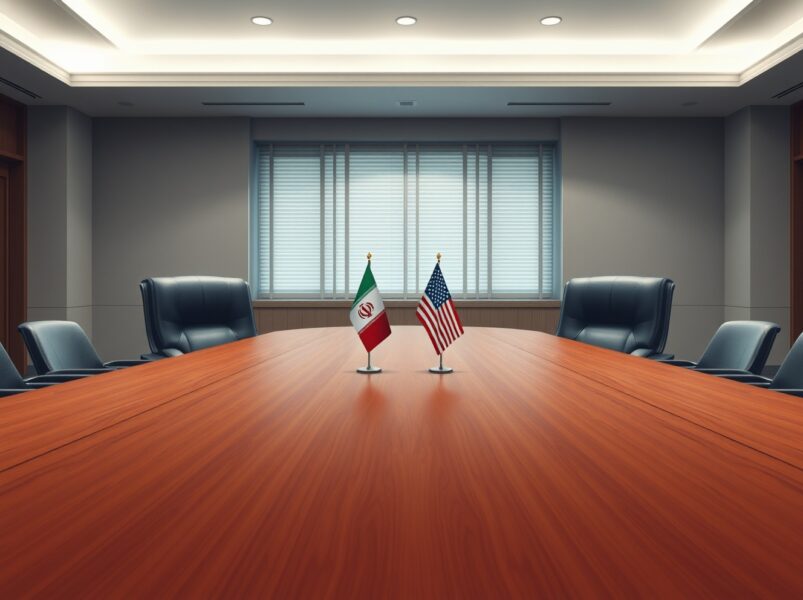
Iran US Negotiations: Startling Denial of Diplomatic Contact During 31-Day Conflict
BitcoinWorld Iran US Negotiations: Startling Denial of Diplomatic Contact During 31-Day Conflict TEHRAN, Iran – November 2025: In a significant diplomatic development
Share
bitcoinworld2026/03/31 03:50

Next Pepe Coin Draws Attention as Ethereum Foundation Stakes $42M ETH and Pepeto Fills While PEPE and BTC Correct
Ethereum stakes $42M amid market fear as PEPE drops. New meme coin Pepeto gains traction with presale momentum and bold growth projections.
Share
Blockchainreporter2026/03/31 04:00

