

Marshall Islands Launches Blockchain-Based Universal Basic Income
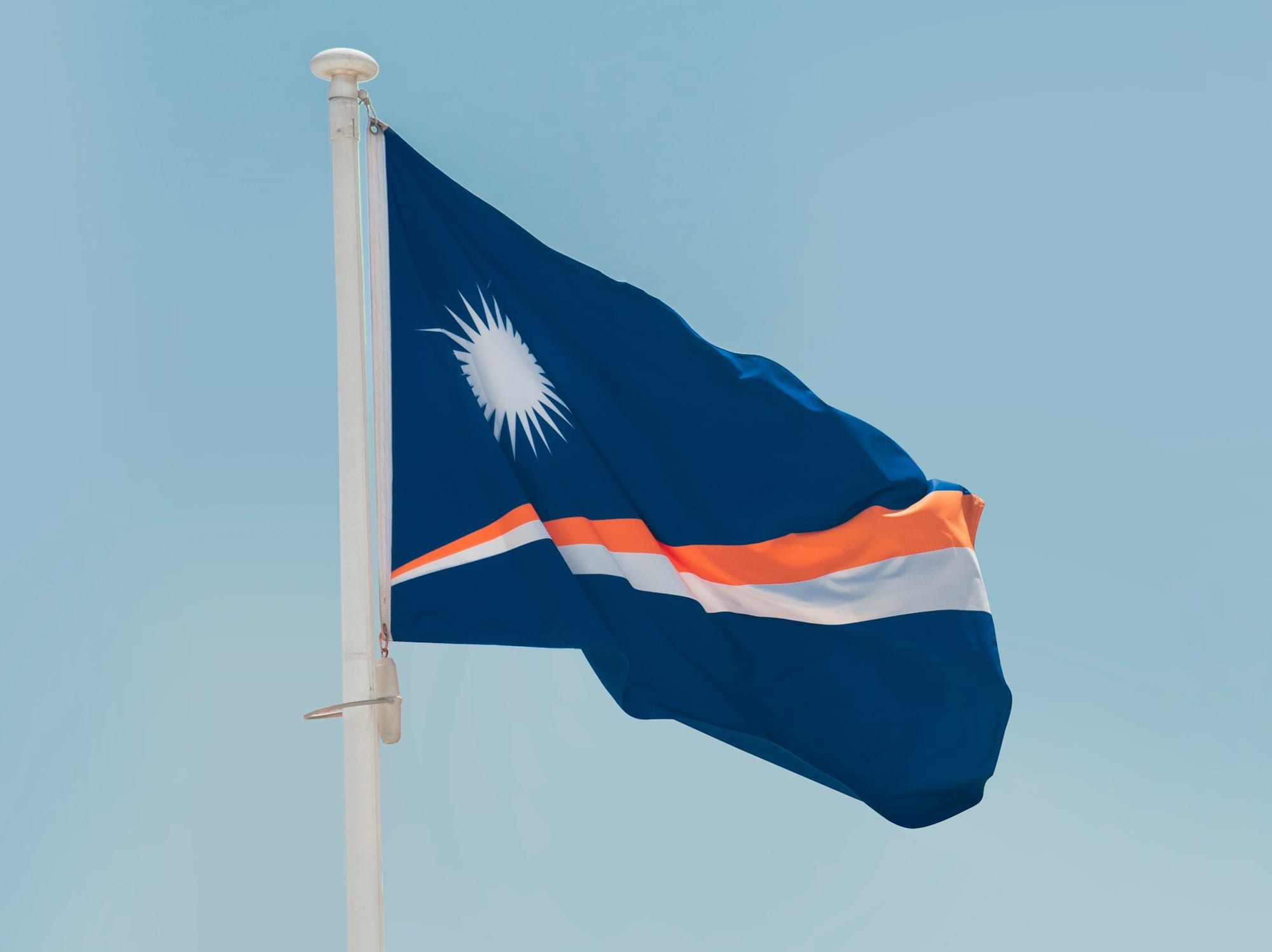
The Republic of the Marshall Islands has launched the world's first nationwide universal basic income program distributed through blockchain technology, bypassing a correspondent banking system that has left Pacific island nations financially isolated.
The program, known locally as ENRA, began quarterly disbursements to eligible citizens in November using USDM1, a digitally issued sovereign bond built on the Stellar network. The Stellar Development Foundation provided a multimillion-dollar grant to develop the infrastructure.
Citizens receive payments directly into Lomalo, a mobile wallet application built by Crossmint specifically for the Marshall Islands. The blockchain-based system replaces a cash delivery model where physical dollars arrived quarterly by shipping container, subject to purchase caps and withdrawal limits that frequently left ATMs empty between deliveries.
"Delivering the first blockchain-powered instance of nationwide Universal Basic Income is what the Stellar network was built to power," said Denelle Dixon, CEO of the Stellar Development Foundation. She described the program as demonstrating what adoption looks like when people can receive and spend money on-chain while accessing financial services unavailable through traditional banking.
The Marshall Islands government also released a white paper outlining its financial inclusion strategy, digital infrastructure modernization plans, and policy framework for USDM1. The document frames the stablecoin program as addressing a coordination failure where individual bank decisions created collectively irrational outcomes, forcing small nations to bear costs of maintaining financial architecture designed for economies thousands of times larger.
According to the country's Ministry of Finance, the Marshall Islands faces acute financial access constraints stemming from the global retreat of correspondent banking. Pacific island countries have lost roughly 700 of their 1,200 correspondent banking relationships over the past decade as international banks withdrew from low-volume markets where compliance costs exceeded revenue potential.
The Marshall Islands now relies on a single correspondent banking partner. Citizens in outer atolls must take expensive inter-island flights to cash checks. Remittance fees across Pacific corridors average 10% – triple the UN sustainable development target – while international wire transfers can cost four to five times the global average and take up to a week to settle.
The Marshall Islands operates entirely on the U.S. dollar and maintains a unique partnership with the United States through the Compact of Free Association, most recently renewed in 2024 and extending through 2043. Its 1,200 islands spread across nearly 2 million square kilometers of ocean – an area comparable to Mexico – with roughly one-quarter of the population living in 24 atolls hundreds of miles from banking centers.
Physical cash scarcity has forced many households to hoard currency in anticipation of future shortages, while informal economies maintained through IOUs and barter emerged in areas without banking access. The Marshall Islands' fully dollarized economy lacks independent monetary tools available to countries with central banks, amplifying the impact of external price shocks.
Rodri Fernandez Touza, co-founder of Crossmint, said families in remote communities previously waited weeks for paper checks or cash shipments. The Lomalo wallet enables instant payment receipt, creating what he described as a blueprint for using stablecoins to modernize financial infrastructure regardless of location.


You May Also Like

The changing face of elder care in Malaysia — Sayed Mohammad Reza Yamani Sayed Umar

Not a loophole: Singapore AI export controls let China tap US AI legally

Exclusive interview with Smokey The Bera, co-founder of Berachain: How the innovative PoL public chain solves the liquidity problem and may be launched in a few months



