

JPMorgan Says Stablecoin Market Unlikely to Hit $1 Trillion by 2028
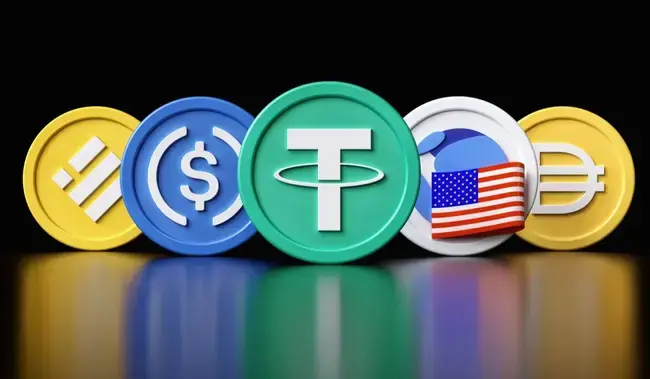
Highlights:
- JPMorgan analysts reject trillion‑dollar forecasts, tying stablecoin growth to overall crypto activity.
- Stablecoin supply reached $300 billion, with most growth from USDT and USDC.
- Analysts project stablecoin supply around $500–$600 billion by 2028, far below optimistic expectations.
JPMorgan analysts have once again pushed back against very high forecasts for stablecoins. Several market players expect the sector to reach one trillion dollars within a few years. JPMorgan does not agree and ties stablecoin size directly to overall cryptocurrency activity.
Crypto Trading Drives Stablecoin Growth, JPMorgan Says
According to the bank, stablecoins do not grow on their own path. Supply rises when BTC and Ether trading increase. Supply cools when trading activity slows. Past market cycles support this view, as seen during earlier rallies and pullbacks.
A Wednesday report showed the stablecoin market crossing $300 billion in total supply. Around $100 billion was added during the year. Most of this growth came from two coins. Tether’s USDT expanded by nearly $48 billion, while Circle’s USDC grew by about $34 billion.
JPMorgan said stablecoin demand mainly comes from trading needs. Traders use stablecoins as cash and collateral. Derivatives platforms depend on stablecoins to manage positions. Crypto-based firms also hold stablecoins when funds are idle.
The bank referred to earlier research released in July. That report showed derivatives exchanges holding about $20 billion in stablecoins by mid-year. Because of this, exchanges became the largest source of new supply. JPMorgan said a repeated pattern appears in every cycle. Stablecoin supply rises during strong Bitcoin and Ether rallies. Later, growth slows once market interest drops. This behavior keeps stablecoin growth tied to trading volume.
Stablecoins Likely to Reach $600 Billion by 2028, Far Below Hype
Based on historical trends, JPMorgan set a lower outlook. Analysts expect stablecoins to grow along with the total crypto market size. The bank sees supply reaching around $500 billion to $600 billion by 2028.
The report included a clear statement from analysts. “The stablecoin universe is likely to continue to grow over the coming years broadly in line with the overall crypto market cap, perhaps reaching $500 billion–$600 billion by 2028, far lower than the most optimistic expectations of $2 trillion–$4 trillion.” In July, analysts projected slower growth, expecting the stablecoin market to reach around $500 billion by 2028. Earlier in May, they said a $1 trillion stablecoin market is too optimistic.
JPMorgan also addressed stablecoin use for payments. Analysts said higher payment use does not automatically increase supply. Faster circulation means the same coins can settle more value. USDT was used as an example. With a velocity of 50, each token moves many times in a year. At that speed, handling $10 trillion in cross-border payments would require about $200 billion in stablecoins. The bank said payment use would raise transaction counts instead of the total supply. Stablecoin growth would still depend on trading demand rather than payment volume.
“In all, we continue to anticipate stablecoin growth broadly in line with the overall crypto market universe over the coming years,” the analysts concluded. They explained that wider use of stablecoins for payments does not automatically mean a sharp increase in the total supply needed. In addition, they noted that blockchain-based payment projects for institutions could strengthen the role of commercial banks through non-bearer, non-transferable tokenized deposits, which may reduce reliance on stablecoins.
eToro Platform
Best Crypto Exchange
- Over 90 top cryptos to trade
- Regulated by top-tier entities
- User-friendly trading app
- 30+ million users
eToro is a multi-asset investment platform. The value of your investments may go up or down. Your capital is at risk. Don’t invest unless you’re prepared to lose all the money you invest. This is a high-risk investment, and you should not expect to be protected if something goes wrong.


You May Also Like

XRP Ledger Moves to Native Post-Quantum Security by 2028

Goldman Sachs Projects S&P 500 Rally to 7,600 Amid Historic Consumer Confidence Collapse




