

How to Create an ERC-20 Token on Ethereum, Base, Arbitrum, and BSC Without Code (Complete 2025…
How to Create an ERC-20 Token on Ethereum, Base, Arbitrum, and BSC Without Code (Complete 2025 Guide)
TL;DR: EscapeHub Token Creator is a no-code ERC-20 generator that lets you deploy tokens across Ethereum, Base, Arbitrum, BNB Chain, and 35+ blockchains for $1 + gas fees. No coding required. Choose from Simple, Community First, or Advanced modes with features like anti-whale protection, anti-bot deadblock, trading fees, and whitelist controls. The $ESC presale is now live.
What Is EscapeHub Token Creator?
EscapeHub Token Creator is a no code token generator platform for creating ERC-20 tokens on multiple blockchain networks. You can deploy tokens without coding knowledge or Solidity experience. This no-code solution makes token creation accessible to everyone. Whether you want to launch a meme token, a community token, or a serious DeFi project, you can configure everything from a web interface and deploy in under 5 minutes.
The platform is live on Ethereum, Base, Arbitrum, and BNB Chain (BSC), with approximately 2 new networks being added daily. EscapeHub is a true multi-chain token deployment solution supporting 40+ EVM-compatible blockchains.
How Much Does It Cost to Create a Token?
Creating a token on EscapeHub costs $1 flat fee plus network gas fees. The $1 fee is paid within the same deployment transaction.
You can also pay with $ESC tokens for discounts. A portion of fees goes toward buying back and locking $ESC tokens, supporting the ecosystem.
What Are the Three Creation Modes?
EscapeHub offers three distinct creation modes to match your project needs:
Simple Mode is designed for quick launches. It includes burn functionality, rescue functions for recovering stuck tokens, editable metadata and socials, and all supply goes to your wallet. This mode works well for meme tokens, tests, or projects that want flexibility.
Community First Mode maximizes holder protection. The owner cannot access funds through rescue functions, metadata and socials are locked forever, and the token is fully transparent and verifiable. This mode proves good intentions to your community and builds trust.
Advanced Mode gives you complete control over every parameter. You can add trading fees, anti-bot protection, holder limits, whitelist and blacklist controls, and more. Everything is optional and you enable only what you need.
What Token Settings Can You Configure?
Basic Settings
You can choose your token name, symbol, total supply, and decimal amount. Most tokens use 18 decimals, the same as ETH, but you can set anything from 0 to 18.
You can also generate a vanity contract address with a custom prefix or suffix, making your token address recognizable and memorable.
Supply and Distribution Options
Fixed vs. Mintable Supply: Choose a fixed supply where no new tokens can ever be created, or enable minting with an optional hard cap that limits maximum supply.
Initial Distribution: Send all tokens to your wallet, or automatically split them across multiple wallets with custom percentages at deployment.
Burn Function: Allow any holder to permanently destroy their own tokens, reducing total supply. This creates deflationary tokenomics.
Ownership and Control
Owner Address: Deploy to your connected wallet or specify a custom owner address.
Permission Levels: Full owner permissions, limited permissions, or no owner privileges at all.
Renounce Ownership: Permanently give up owner access after deployment, making the token immutable.
What Anti-Bot and Anti-Snipe Features Are Available?
Deadblock Protection
Block all trades in the first 1–10 blocks after trading is enabled. This prevents bot sniping at launch when bots try to buy immediately as trading opens. You can configure deadblock to affect buys only, sells only, or both.
Trading Cooldown
Require each wallet to wait a specified number of seconds between trades. This basic protection prevents rapid-fire trading by bots and helps human traders compete fairly.
Whitelist Module
Control who can trade before trading is publicly enabled. Only whitelisted addresses can interact with the token, letting you set up liquidity and complete private sales before public launch.
Router Protection
Block all DEX router interactions until you manually enable trading. This prevents anyone from creating liquidity pools before you’re ready.
What Anti-Whale Features Are Available?
Max Wallet Limit
Limit how much any single wallet can hold. You can set this as a percentage of total supply or an absolute amount. Optional time windows let limits expire automatically after a set period.
Max Transaction Size
Limit the maximum amount that can be transferred in a single transaction. This prevents large sudden buys or sells that could destabilize the price.
Anti-Dump Module
Limit how much any wallet can sell within a specified time period. You can set limits as an absolute amount or as a percentage of the holder’s balance. This prevents large holders from dumping their entire position at once.
The anti-dump module includes flash loan protection that uses balance snapshots to prevent attackers from temporarily inflating their balance to bypass sell limits.
Can You Add Trading Fees to Your Token?
Yes. The fees module lets you configure separate fees for buys, sells, and wallet-to-wallet transfers.
Fee Options Include:
- Buy fee percentage (up to 20%)
- Sell fee percentage (up to 20%)
- Transfer fee percentage (up to 20%)
- Fee recipient address (owner wallet or custom address)
- Fee-exempt addresses (whitelist specific wallets)
- Automatic fee burning (burn a portion of collected fees)
You can choose between fixed fees that are permanent from deployment or flexible fees that you can adjust later within immutable maximum caps. The flexible option lets you start with higher launch fees and reduce them over time.
What Security Features Are Built In?
Blacklist Module
Block specific wallet addresses from sending or receiving tokens. You can add addresses to the blacklist after deployment, and optionally freeze the blacklist permanently so no new addresses can ever be added.
Pause Function
Temporarily freeze all token transfers. This emergency function can be useful for migrations or security incidents, but some investors view it as a risk since trading can be stopped at any time.
Rescue Function
Recover ERC-20 tokens or ETH accidentally sent to your token contract. If disabled, those funds are permanently lost. Community First mode disables this by default for maximum holder protection.
EIP-2612 Permit
Gasless approvals via cryptographic signatures. This is always enabled and lets users approve token spending without paying gas, improving user experience for DeFi integrations.
Can You Edit Your Token After Deployment?
Editable Elements (if configured):
- Token name and symbol (can be locked permanently)
- Social links: website, Telegram, X handle, Discord (can be locked permanently)
- Fee amounts (within immutable maximum caps)
- Wallet and transaction limits
- Cooldown settings
- Blacklist and whitelist addresses
One-Way Actions (cannot be undone):
- Lock metadata (name and symbol become permanent)
- Lock social links
- Freeze blacklist
- Freeze whitelist
- Renounce ownership
- Enable trading (cannot be disabled once enabled)
How Do You Create a Token Step by Step?
Step 1: Visit app.escapehub.ai and connect your wallet.
Step 2: Select your blockchain network. Ethereum, Base, Arbitrum, and BSC are currently live. (Including their testnets)
Step 3: Choose your creation mode: Simple for quick launches, Community First for maximum trust, or Advanced for full customization.
Step 4: Configure your token basics including name, symbol, supply, and decimals.
Step 5: Set up supply distribution if you want to split tokens across multiple wallets.
Step 6: Enable optional features like fees, limits, anti-bot protection, or access controls.
Step 7: Add your social links and optionally upload a logo and banner.
Step 8: Generate a vanity address if desired.
Step 9: Review all settings and deploy.
Step 10: Confirm the transaction in your wallet. The $1 fee and deployment happen in one transaction.
Your token is deployed and verified automatically. You can immediately start adding liquidity or distributing tokens.
What Networks Are Supported?
EscapeHub supports multi-chain token deployment across all major EVM networks. Deploy your token to any supported blockchain from a single interface.
Currently Live:
- Ethereum Mainnet
- Base
- Arbitrum One
- BNB Smart Chain (BSC)
Coming Soon (30+ total networks):
- Polygon
- Avalanche C-Chain
- Optimism
- Fantom
- Cronos
- And many more
Approximately 2 networks are being added daily until full coverage is reached. This makes EscapeHub the most comprehensive multi-chain ERC-20 token generator available.
What Is the $ESC Token Presale?
The $ESC presale is now live. $ESC is the native token of the EscapeHub ecosystem with real utility:
Pay with $ESC for Discounts: Use $ESC to pay token creation fees at reduced rates.
Buyback and Lock: A portion of platform fees goes toward buying $ESC from the market and locking it, reducing circulating supply over time.
Fair Value Purchases: The protocol purchases $ESC at fair market value, supporting healthy price discovery.
Join the presale at escapehub.ai to get $ESC before the public launch.
Frequently Asked Questions
How long does token deployment take?
Deployment typically takes 30 seconds to 2 minutes depending on network congestion. Your token is verified automatically.
Can I deploy the same token to multiple chains?
Each deployment creates a separate token on one chain.
What wallets work with EscapeHub?
Any WalletConnect-compatible wallet works, including MetaMask, Coinbase Wallet, Trust Wallet, and Rainbow.
Is the smart contract audited?
The LaunchERC20 contract has undergone comprehensive security review. The contract operates near maximum EVM bytecode size limits with extensive security features including reentrancy guards and flash loan protection.
Can I create tokens on testnets first?
Yes, testnet support is available for testing your configuration before deploying to mainnet.
What happens if I send the wrong tokens to my contract?
If you enabled the rescue function, the owner can recover stuck ERC-20 tokens and ETH. If rescue is disabled (Community First mode default), those funds are permanently lost.
Can trading be re-enabled after being paused?
Yes, if pause is enabled, the owner can pause and unpause transfers. However, once trading is enabled via the trading switch, it cannot be disabled.
How do I add liquidity after deployment?
Go to your preferred DEX (Uniswap, PancakeSwap, etc.), connect the same wallet, and create a liquidity pair with your new token. If you enabled router protection, make sure trading is enabled first.
Summary
EscapeHub Token Creator offers the most comprehensive no-code token deployment solution available in 2025. With three creation modes, extensive anti-bot and anti-whale protection, flexible fee systems, and support for 40+ blockchain networks, you can launch exactly the token your project needs.
Key benefits include $1 flat fee pricing, no coding required, automatic contract verification, and professional-grade security features that previously required expensive custom development.
Get Started: app.escapehub.ai
Join the $ESC Presale: escapehub.ai
Follow Updates: @Escape_Hub on X
This guide covers EscapeHub Token Creator as of December 2025. Features and supported networks are actively expanding.
How to Create an ERC-20 Token on Ethereum, Base, Arbitrum, and BSC Without Code (Complete 2025… was originally published in Coinmonks on Medium, where people are continuing the conversation by highlighting and responding to this story.


You May Also Like

Glassnode Warns Nearly 30% Of Bitcoin Supply Could Face Future Quantum Risks
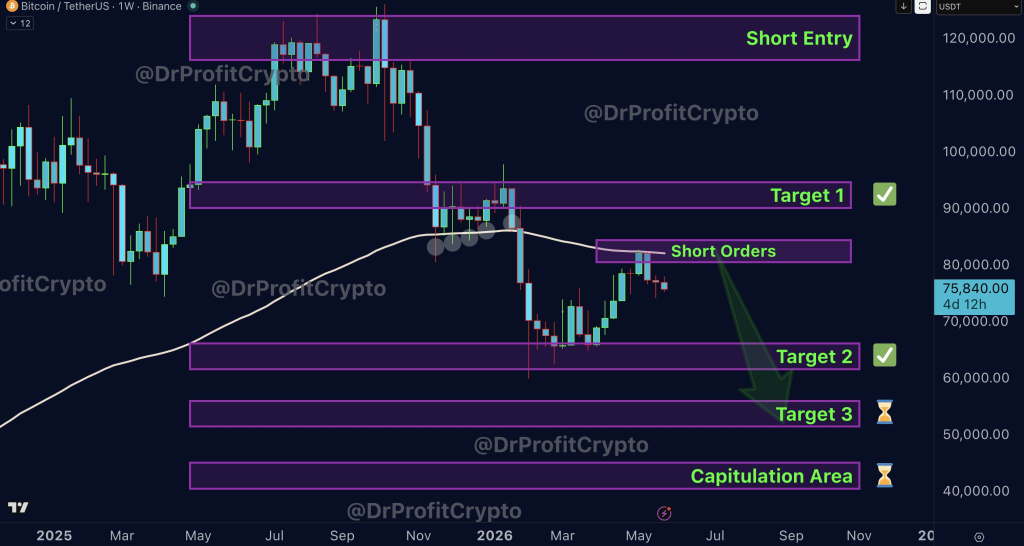
Bitcoin Price News: BTC at Risk of Falling to $70K as Crypto Veteran Calls for 50‑60K in Coming Months
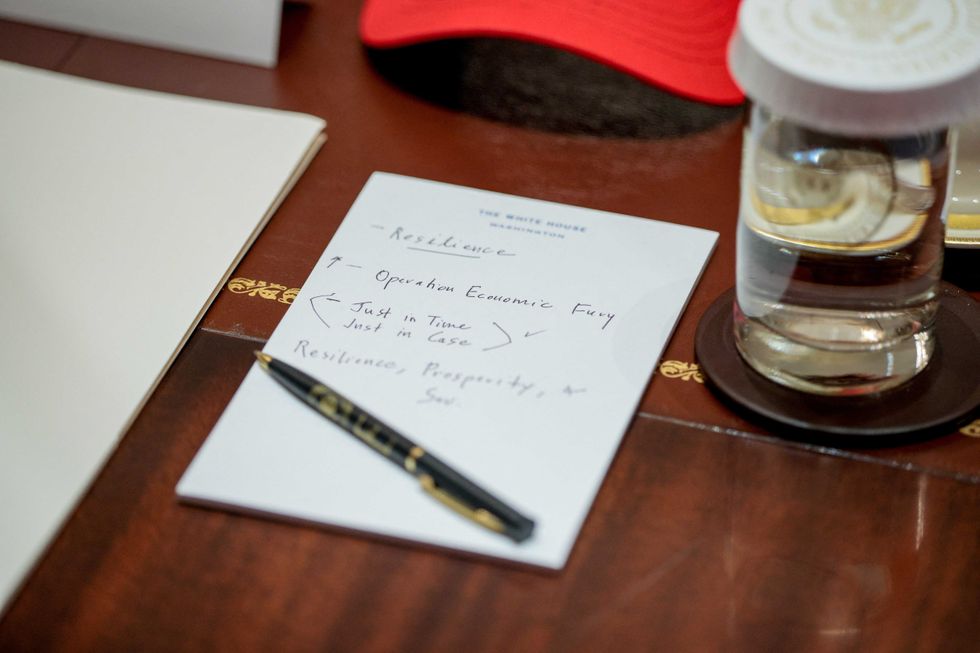
Photographer catches Marco Rubio writing mantra to himself during cabinet meeting



