Vitalik Buterin said Ethereum must focus on decentralisation so applications keep running despite outages or centralised infrastructure failures. The post VitalikVitalik Buterin said Ethereum must focus on decentralisation so applications keep running despite outages or centralised infrastructure failures. The post Vitalik

Vitalik Buterin: Ethereum DApps Can Shield Internet From Outages and Centralised Failures

  • Vitalik Buterin warned that Ethereum must shift focus from chasing market trends like memecoins to fulfilling its original vision as a decentralised “world computer.”
  • He celebrated 2025 technical gains but argued the network must now pass a “walkaway test” where apps keep running even if their creators disappear.
  • To achieve global scale, Buterin called for a simultaneous push for usability and true decentralisation at both the blockchain infrastructure and application layers in 2026.

Ethereum co-founder Vitalik Buterin said Ethereum’s (ETH) biggest challenge is no longer just shipping upgrades but proving it can deliver on its original goal: a global platform that stays genuinely decentralised.

In a New Year’s message posted Thursday on X, Buterin said Ethereum made “meaningful progress” in 2025, becoming faster, more reliable, and better able to handle growth without giving up its decentralised design. He pointed to improvements that let the network process more activity, reduce congestion, and make it easier for more people to run the software that helps keep Ethereum running. 

He said that work moves Ethereum closer to being a shared computing platform, not just another blockchain.

But he warned that technical milestones are only useful if they support the network’s core purpose. “Ethereum needs to do more to meet its own stated goals,” he wrote, pushing back on attempts to “win the next meta,” including tokenised dollars, political memecoins, or efforts to inflate network activity to signal economic success.

Related: Strategy Resumes Bitcoin Buying, Lifting Holdings to 672,497 BTC

A “World Computer”

Buterin said the real target is Ethereum as a “world computer”, so kind of a neutral base for applications that can run without fraud, censorship, or reliance on a central operator, he said. 

He highlighted the “walkaway test,” arguing systems should keep working even if their original developers step away. He also argued that users should not feel it if major infrastructure providers go offline or are compromised.

Buterin said Ethereum must hit two goals at once: operate at global scale and remain decentralised, adding that this test extends beyond the blockchain itself to the tools people use to access it and to applications built on Ethereum, many of which still depend on centralised services.

All of these pieces must be improved – they are already being improved, but they must be improved more. Fortunately, we have powerful tools on our side – but we need to apply them, and we will.
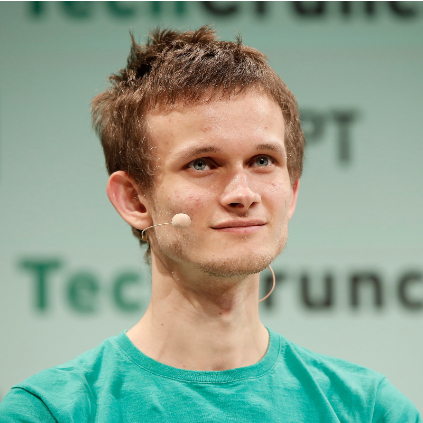
Vitalik Buterin, Ethereum Co-Founder-

Related: Bitmine Amasses 3.41% of Ethereum Supply, Eyes Staking Windfall

The post Vitalik Buterin: Ethereum DApps Can Shield Internet From Outages and Centralised Failures appeared first on Crypto News Australia.


Disclaimer: The articles reposted on this site are sourced from public platforms and are provided for informational purposes only. They do not necessarily reflect the views of MEXC. All rights remain with the original authors. If you believe any content infringes on third-party rights, please contact service@support.mexc.com for removal. MEXC makes no guarantees regarding the accuracy, completeness, or timeliness of the content and is not responsible for any actions taken based on the information provided. The content does not constitute financial, legal, or other professional advice, nor should it be considered a recommendation or endorsement by MEXC.

You May Also Like

Solana Tokenized RWAs Surge 10% to $873.3M: How Blockchain’s Revolutionary Growth Captures Real-World Value

Solana Tokenized RWAs Surge 10% to $873.3M: How Blockchain’s Revolutionary Growth Captures Real-World Value

BitcoinWorld Solana Tokenized RWAs Surge 10% to $873.3M: How Blockchain’s Revolutionary Growth Captures Real-World Value The value of tokenized real-world assets
Share
bitcoinworld2026/01/02 13:10
Mark Cuban, Dallas Mavericks Cleared Of Lawsuit Linked To Promotion Of Bankrupt Crypto Company

Mark Cuban, Dallas Mavericks Cleared Of Lawsuit Linked To Promotion Of Bankrupt Crypto Company

A lawsuit accusing billionaire entrepreneur Mark Cuban and the NBA team Dallas Mavericks of defrauding investors by promoting a now-bankrupt cryptocurrency lender
Share
Coinstats2026/01/02 12:12
First U.S. XRP ETF Launches Sept. 18, CME to List Options on XRP Futures Oct. 13

First U.S. XRP ETF Launches Sept. 18, CME to List Options on XRP Futures Oct. 13

XRP is drawing fresh attention from traditional finance as new products roll out in both securities and derivatives markets, broadening access points for exposure to the token.At the time of writing, according to CoinDesk Data, XRP was trading around $3.0263, down nearly 1% over the past 24 hours.On Sept. 18, REX Shares and Osprey Funds will debut the first U.S.-listed exchange-traded funds (ETFs) tied to XRP and Dogecoin (DOGE) on the Cboe BZX Exchange, under the tickers XRPR and DOJE. These products are not entirely “pure” spot funds, however. Bloomberg Intelligence analyst James Seyffart wrote on X that the funds aren’t “pure” spot products. Instead, they are structured to hold XRP and DOGE directly, while also investing in other spot ETFs from outside the U.S. to achieve exposure. Their filings also include language that would allow the use of derivatives for exposure if needed, though Seyffart emphasized that this is not the primary approach.The structure reflects the realities of building regulated crypto ETFs in the U.S., where sponsors have sometimes layered in indirect exposure. Even so, the launches mark the first time American brokerage accounts will have access to XRP- and DOGE-focused ETFs, expanding beyond bitcoin and ether, which dominate the ETF landscape.Less than a month later, CME Group plans to deepen its crypto derivatives lineup by listing options on XRP and Solana (SOL) futures, targeted for Oct. 13 pending regulatory review. Options will be listed on both the standard contracts and their smaller “micro” versions, designed to serve institutions, trading desks, and active individuals alike. Expiry choices will include every business day, each month, and each quarter, creating a wider term structure for managing exposures.The exchange said the decision follows strong growth in its newer altcoin futures. Since March, SOL futures have logged over 540,000 contracts traded (about $22.3 billion notional), while XRP futures, introduced in May, have seen more than 370,000 contracts change hands (roughly $16.2 billion notional). Market participants including Cumberland and FalconX welcomed the additions, citing the need for hedging tools beyond bitcoin and ether.Headquartered in Chicago, CME Group runs the world’s largest regulated derivatives marketplace, where listed crypto futures and options allow participants to hedge positions with central clearing and margining. Adding XRP and SOL options builds on the firm’s progression from bitcoin and ether into a wider set of liquid tokens.
Share
Coinstats2025/09/18 05:30