Crypto Futures Liquidated: A Staggering $109 Million Hourly Wipeout Shakes Markets
BitcoinWorld
Crypto Futures Liquidated: A Staggering $109 Million Hourly Wipeout Shakes Markets
A sudden and severe wave of liquidations has rocked cryptocurrency derivatives markets, with exchanges reporting a staggering $109 million worth of futures positions forcibly closed in just one hour. This intense activity, part of a broader 24-hour liquidation total exceeding $507 million, signals a period of heightened volatility and serves as a critical reminder of the risks inherent in leveraged trading. Consequently, traders and analysts are now scrutinizing the underlying market mechanics and potential triggers for this significant capital flush.
Crypto Futures Liquidated: Anatomy of a $109 Million Hour
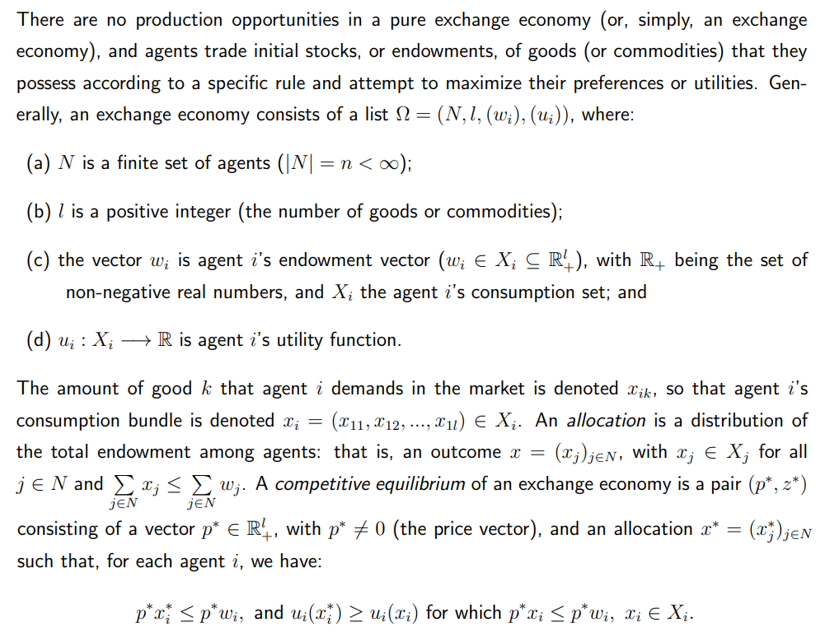
Futures liquidation represents a mandatory closure of a trader’s leveraged position by an exchange. This process occurs when a trader’s initial margin falls below the maintenance requirement, essentially depleting their collateral. Major platforms like Binance, Bybit, and OKX automatically execute these liquidations to prevent negative account balances. The recent $109 million hourly event, therefore, signifies a rapid and substantial price move that breached critical leverage thresholds for thousands of positions simultaneously.
Market data reveals a pronounced skew in the liquidations. For instance, long positions, betting on price increases, constituted the majority of the losses. This pattern often indicates a sharp, unexpected price drop catching over-leveraged bulls off guard. Furthermore, Bitcoin and Ethereum futures typically dominate these figures, but altcoin pairs can amplify the totals during sector-wide downturns. The scale of this event places it among the more significant hourly liquidation clusters observed in recent months.
Understanding Market Volatility and Leverage
Leverage acts as a double-edged sword in futures trading. While it can magnify profits, it also exponentially increases risk. Traders might employ leverage ratios of 10x, 25x, or even 100x. At such levels, even a minor price movement against the position can trigger a liquidation. The $507 million cleared over 24 hours demonstrates how volatility can cascade through the market. As initial liquidations occur, they can create selling pressure, potentially pushing prices further and triggering additional liquidations in a feedback loop sometimes called a “liquidation cascade.”
Several factors can precipitate these conditions. Often, a break of a major technical support level triggers automated stop-loss orders and liquidations. Additionally, unexpected macroeconomic news or large, coordinated sell orders (“whale” movements) can initiate the slide. The current geopolitical and monetary policy landscape also contributes to underlying market nervousness, making assets like cryptocurrency more susceptible to sharp swings.
- Leverage Multiplies Risk: High leverage requires minimal price movement for liquidation.
- Cascade Effect: One wave of liquidations can fuel the next through increased selling.
- Market Sentiment: Fear can accelerate selling, while greed can build over-leveraged long positions.
Expert Analysis on Risk Management
Seasoned traders emphasize that such events are an inherent part of derivatives markets. The key takeaway is not the occurrence itself but the lessons in risk management it provides. Experts consistently advise using lower leverage, employing stop-loss orders wisely (understanding they can be executed at unfavorable prices during gaps), and never risking more capital than one can afford to lose. The $109 million figure represents real financial loss for those involved, highlighting the non-theoretical nature of these market mechanisms. Historical data shows that periods following large liquidations can sometimes lead to price stabilization or even reversals as over-leveraged positions are flushed out, reducing sell-side pressure.
Historical Context and Comparative Impact
To contextualize the $109 million hourly liquidation, it is useful to compare it to past events. For example, during the major market downturn of May 2021, hourly liquidations repeatedly surpassed $1 billion. While the current event is significant, it does not reach those historic extremes. However, it does indicate that volatility remains elevated. The broader 24-hour total of $507 million also suggests sustained pressure rather than an isolated spike.
The following table compares recent notable liquidation events:
| Period | Approximate 24-Hour Liquidation Total | Primary Catalyst |
|---|---|---|
| May 2021 | ~$10 Billion | China mining crackdown, ESG concerns |
| June 2022 | ~$1.5 Billion | Celsius/3AC liquidity crisis |
| January 2023 | ~$500 Million | Post-FTX volatility |
| Current Event | $507 Million | Technical breakdown, macro uncertainty |
This comparison shows the market’s evolving maturity and potentially reduced systemic leverage compared to prior cycles, though risk clearly persists.
Conclusion
The liquidation of $109 million in crypto futures within a single hour serves as a powerful market signal. It underscores the persistent volatility in digital asset markets and the severe risks associated with high-leverage trading. While not an unprecedented event, its scale demands attention from both participants and observers. Ultimately, such episodes reinforce the fundamental principles of prudent capital allocation and robust risk management. As the market digests this flush of leveraged positions, the focus will shift to whether this represents a healthy clearing of excess or the precursor to further downside movement.
FAQs
Q1: What does “futures liquidated” mean?
A futures liquidation is when an exchange automatically closes a trader’s leveraged position because their collateral has fallen below the required level to maintain the trade, resulting in a total loss of that collateral.
Q2: What causes a large wave of liquidations like the $109 million event?
It is typically caused by a rapid price movement that breaches the liquidation prices for many leveraged positions at once, often triggered by a break of key technical levels, negative news, or large sell orders.
Q3: Who loses the money during a liquidation?
The traders whose positions are liquidated lose the margin (collateral) they posted to open the leveraged trade. This capital is used to cover the losses on the position and is effectively removed from the market.
Q4: Do liquidations affect the spot price of Bitcoin or Ethereum?
Yes, they can. As exchanges sell the assets from liquidated long positions to cover losses, it creates additional selling pressure in the market, which can push spot prices down further, potentially triggering more liquidations.
Q5: How can traders avoid being liquidated?
Traders can avoid liquidation by using lower leverage, depositing additional margin if prices move against them, setting prudent stop-loss orders, and avoiding over-committing capital to a single position.
This post Crypto Futures Liquidated: A Staggering $109 Million Hourly Wipeout Shakes Markets first appeared on BitcoinWorld.


You May Also Like

Axolt Introduces AI Bill and PO Capture to Streamline AP Automation
Floki Price Prediction: Pepeto Binance Listing is Days Away After CoinMarketCap Confirmation