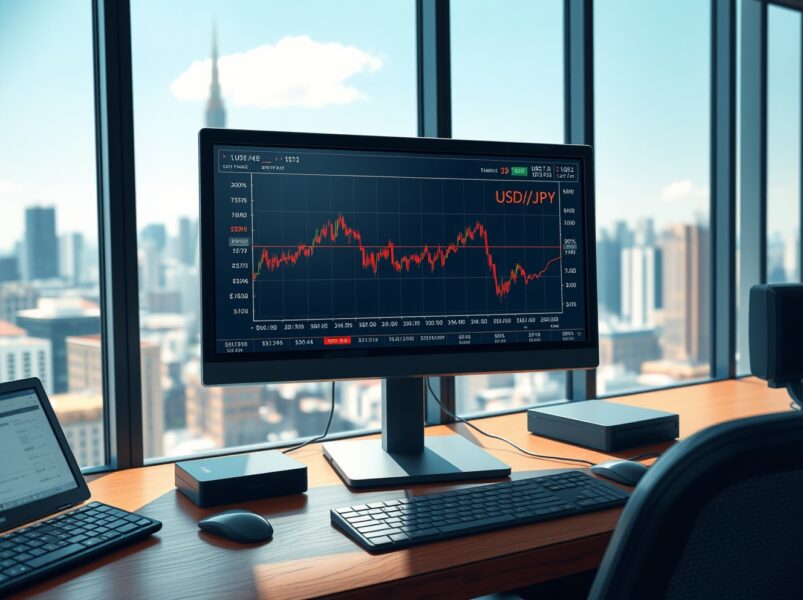
If you spend any time on finance Twitter, Reddit, or even TikTok, you’ll notice something immediately: investing is no longer framed as a niche activity for people in suits. It’s everywhere.
Charts in Stories. Market commentary in memes. “My portfolio today” screenshots showing up between vacation photos.
Here’s the thing, though. The visibility makes it look easy. Almost frictionless. And while technology has lowered the barriers to entry in a real way, that doesn’t mean the learning curve has disappeared. It’s just moved.
By 2026, retail investing isn’t about access anymore. It’s about how beginners navigate a landscape shaped by AI-driven tools, tighter regulation, and ultra-low-cost trading infrastructure—all at the same time.
From Bank Branches to Smartphones – How We Got Here
It’s easy to forget how clunky investing used to be. You needed a broker. Paperwork. Phone calls. And fees that quietly ate into returns. For a lot of people, that friction alone was enough to keep them out.
Fast-forward to now, and most first-time investors don’t step into a bank branch at all. They download an app. In some cases, they’re placing their first trade within minutes. Charts, analytics, execution, and account management all live in one place.
What changed isn’t just convenience. Transparency did too. Fees are clearer. Data is more accessible. Execution speeds are faster. And for better or worse, the psychological distance between “thinking about investing” and actually doing it has collapsed.
Choosing an Entry Point Without Getting Overwhelmed
This is where beginners often stumble. Not because they lack motivation, but because they’re hit with too many choices at once.
There are dozens of platforms, each promising low fees, powerful tools, and beginner-friendly design. And let’s be real—most people don’t know how to evaluate those claims yet.
What actually matters early on is simpler than it sounds:
- A clear fee structure (no surprises)
- An interface that doesn’t fight you
- Access to multiple asset types, not just one
- Built-in learning tools and basic risk controls
That’s why comparison resources can be genuinely helpful when used as references, not shortcuts. For example, this breakdown of the best investment apps for beginners 2026 gives new investors a way to narrow the field without relying purely on social hype.
The tricky part is remembering that “easy to use” shouldn’t mean “easy to overtrade.”
Why CFDs Keep Showing Up in Beginner Conversations
Contracts for Difference (CFDs) used to sound intimidating. And honestly, they still can be if they’re not explained properly.
In simple terms, CFDs let traders speculate on price movements without owning the underlying asset. That means you can trade global markets, use leverage, or take short positions more easily than with traditional instruments.
For beginners, the appeal is obvious: flexibility and access. You can trade indices, commodities, or currencies from a single account. But this is also where risk sneaks in quietly. Leverage magnifies outcomes—good and bad—and many first-time traders underestimate that.
Platform choice matters a lot here. Not all environments are built with beginners in mind, especially when it comes to risk controls and education.
Resources like this overview of the best CFD trading platform for beginners help highlight which features actually support learning rather than encouraging reckless behavior.
Education Isn’t an Add-On Anymore
A decade ago, education lived outside trading platforms. Blogs. Forums. YouTube rabbit holes. Beginners stitched together knowledge from wherever they could find it.
That’s changed.
By 2026, education is baked directly into many platforms. Demo accounts. Step-by-step tutorials. Strategy explainers. Even contextual prompts that slow users down before high-risk trades.
And here’s something people outside fintech don’t always realize: education isn’t just altruistic. It’s good business. Traders who understand what they’re doing tend to trade more sustainably, panic less, and stick around longer.
Learning resources that focus on fundamentals—like these CFD trading strategies for beginners —are less about winning fast and more about building decision-making habits. That shift matters.
The Tech Trends Quietly Shaping What Comes Next
Looking beyond 2026, a few trends are already settling into place.
AI-powered analytics are becoming more personalized, not just more complex. Instead of overwhelming users with data, platforms are starting to contextualize it—highlighting risks, patterns, and inconsistencies in behavior.
Social and copy trading continue to grow, but with more guardrails. Transparency around performance and risk is improving, which helps counter blind imitation.
Personalized risk scoring is another quiet shift. Instead of generic warnings, users see feedback based on their actual behavior. Overtrading gets flagged. Concentration risk gets visualized.
And regulation, while often framed as a burden, is increasingly embedded into platform design. Better disclosures. Clearer metrics. Fewer dark patterns.
What This Means for New Investors
Retail investing in 2026 isn’t about democratizing access anymore—that part already happened. The real challenge now is helping beginners use that access responsibly.
Technology gives new investors more tools than ever. But tools don’t replace judgment. Platforms can educate, guide, and protect to a degree, but outcomes still depend on choices.
The smartest beginners aren’t chasing speed. They’re choosing platforms deliberately, learning continuously, and treating investing as a process—not a shortcut.
And that mindset, more than any feature, is what will shape the next generation of retail investors.