Coinbase’s Base network experienced a 19-minute block production halt on August 5, with the latest block remaining at height 33,792,704 before resuming normal operations. The Ethereum Layer 2 blockchain reported the issue at 6:15 UTC and confirmed resolution by 6:44 UTC according to its official status page , marking the network’s first significant outage. Source: Base Status Page Network Recovers as Token Creation Surge Tests Infrastructure Limits Base mainnet experienced delays in deposits, withdrawals, block production, and Flashblocks functionality during the disruption. The network identified and fixed the underlying issue within 30 minutes while continuing to monitor for additional problems, though officials did not disclose the specific cause of the halt. The outage might have occurred as Base experiences unprecedented growth in token creation, recently overtaking Solana in daily launches with over 54,000 new tokens on July 27. Source: TheBlock The surge stems from the integration of social platforms Zora and Farcaster into the rebranded Base App, which automatically mints creator coins from social posts. Base’s rapid expansion includes 1.6 million tokens launched and nearly 3 million traders participating since the app relaunch, generating approximately $470 million in trading volume. The network’s institutional adoption accelerated with JPMorgan’s JPMD digital deposit token launch and Shopify’s USDC payment integration across 34 countries. Creator Economy Boom Drives Network Activity to Record Levels Base’s transformation into a comprehensive SocialFi platform through the July rebranding of Coinbase Wallet has fundamentally altered its usage patterns. The integration of Zora’s smart contracts enables automatic ERC-20 token minting from every social post, creating tradable creator coins with instant liquidity. Daily token launches skyrocketed from 6,649 on July 1 to approximately 50,000 by month-end, establishing Base as the leading network for token creation. Source: Dune Analytics The flagship ZORA token achieved a $200 million market cap, up 185% from April’s $70 million valuation. Notable creator coins achieved substantial valuations, including Zeebu at over $485 million market cap, Wormhole at over $355 million, and Yield Guild Games at over $80 million with over $12 million daily volume. The ecosystem’s rapid growth prompted Base creator Jesse Pollak to call for crypto funds to take “$5 million or more” positions in creator coin indexes. who is going to be the first fund to take a scaled (e.g. $5m+) long hold position in an index of onchain creators? seems like a relatively no-brainer opportunity to win as the onchain creator economy grows. — jesse.base.eth (@jessepollak) August 3, 2025 The Base App combines social networking powered by Farcaster, USDC payments, on-chain identity management, and dApp discovery in a single interface. Users can earn up to 4.1% APY holding USDC while accessing hundreds of mini-apps for gaming, yield farming, and prediction markets. Notably, Base Chain’s recent Flashblocks upgrade reduced effective block times from 2 seconds to 200 milliseconds, making transactions 10 times faster. The network also processes international transactions under $0.01 with 200-millisecond settlement times. Security Challenges Mount Despite Institutional Backing Base faced significant security incidents alongside its growth trajectory, including the $2.5 million Arcadia Finance hack on July 15 . Attackers exploited a vulnerability in the Rebalancer contract’s swapData parameters to drain user vaults of USDC, USDS, and other tokens before bridging funds to the Ethereum mainnet. The Arcadia breach marked the platform’s second major security incident following a $455,000 hack in October 2023. Both attacks exploited insufficient input validation and reentrancy protection in smart contract code, with PeckShield previously warning about persistent vulnerabilities. Coinbase launched a $5 million bug bounty program through Cantina , targeting Base network smart contracts and on-chain products. 🤑 @coinbase drops massive $5M bug bounty on Cantina for @base security as @jpmorgan launches $JPMD token and @Shopify integrates USDC payments across 34 countries. #Coinbase #Base https://t.co/R6cdJAI1RQ — Cryptonews.com (@cryptonews) July 9, 2025 The initiative covers critical components, including Verified Pools, Fault-Proof Audits, and WebAuthn modules, representing one of the largest Web3 security programs. The exchange simultaneously dealt with a data breach affecting nearly 70,000 users through bribed overseas support staff, resulting in a $20 million ransom demand that Coinbase refused to pay. The company terminated over 200 TaskUs employees and established enhanced insider-threat detection systems. Base’s network halt joins a pattern of blockchain outages in 2024, including Sui’s hour-long crash , TON’s six-hour disruption amid DOGS token demand, Avalanche’s two-hour block production failure , and Solana’s repeated five-hour outages . It is evident that this incident isn’t new of its kind, and it shows the infrastructure challenges faced by blockchain networks as they scale to accommodate mainstream adoption.Coinbase’s Base network experienced a 19-minute block production halt on August 5, with the latest block remaining at height 33,792,704 before resuming normal operations. The Ethereum Layer 2 blockchain reported the issue at 6:15 UTC and confirmed resolution by 6:44 UTC according to its official status page , marking the network’s first significant outage. Source: Base Status Page Network Recovers as Token Creation Surge Tests Infrastructure Limits Base mainnet experienced delays in deposits, withdrawals, block production, and Flashblocks functionality during the disruption. The network identified and fixed the underlying issue within 30 minutes while continuing to monitor for additional problems, though officials did not disclose the specific cause of the halt. The outage might have occurred as Base experiences unprecedented growth in token creation, recently overtaking Solana in daily launches with over 54,000 new tokens on July 27. Source: TheBlock The surge stems from the integration of social platforms Zora and Farcaster into the rebranded Base App, which automatically mints creator coins from social posts. Base’s rapid expansion includes 1.6 million tokens launched and nearly 3 million traders participating since the app relaunch, generating approximately $470 million in trading volume. The network’s institutional adoption accelerated with JPMorgan’s JPMD digital deposit token launch and Shopify’s USDC payment integration across 34 countries. Creator Economy Boom Drives Network Activity to Record Levels Base’s transformation into a comprehensive SocialFi platform through the July rebranding of Coinbase Wallet has fundamentally altered its usage patterns. The integration of Zora’s smart contracts enables automatic ERC-20 token minting from every social post, creating tradable creator coins with instant liquidity. Daily token launches skyrocketed from 6,649 on July 1 to approximately 50,000 by month-end, establishing Base as the leading network for token creation. Source: Dune Analytics The flagship ZORA token achieved a $200 million market cap, up 185% from April’s $70 million valuation. Notable creator coins achieved substantial valuations, including Zeebu at over $485 million market cap, Wormhole at over $355 million, and Yield Guild Games at over $80 million with over $12 million daily volume. The ecosystem’s rapid growth prompted Base creator Jesse Pollak to call for crypto funds to take “$5 million or more” positions in creator coin indexes. who is going to be the first fund to take a scaled (e.g. $5m+) long hold position in an index of onchain creators? seems like a relatively no-brainer opportunity to win as the onchain creator economy grows. — jesse.base.eth (@jessepollak) August 3, 2025 The Base App combines social networking powered by Farcaster, USDC payments, on-chain identity management, and dApp discovery in a single interface. Users can earn up to 4.1% APY holding USDC while accessing hundreds of mini-apps for gaming, yield farming, and prediction markets. Notably, Base Chain’s recent Flashblocks upgrade reduced effective block times from 2 seconds to 200 milliseconds, making transactions 10 times faster. The network also processes international transactions under $0.01 with 200-millisecond settlement times. Security Challenges Mount Despite Institutional Backing Base faced significant security incidents alongside its growth trajectory, including the $2.5 million Arcadia Finance hack on July 15 . Attackers exploited a vulnerability in the Rebalancer contract’s swapData parameters to drain user vaults of USDC, USDS, and other tokens before bridging funds to the Ethereum mainnet. The Arcadia breach marked the platform’s second major security incident following a $455,000 hack in October 2023. Both attacks exploited insufficient input validation and reentrancy protection in smart contract code, with PeckShield previously warning about persistent vulnerabilities. Coinbase launched a $5 million bug bounty program through Cantina , targeting Base network smart contracts and on-chain products. 🤑 @coinbase drops massive $5M bug bounty on Cantina for @base security as @jpmorgan launches $JPMD token and @Shopify integrates USDC payments across 34 countries. #Coinbase #Base https://t.co/R6cdJAI1RQ — Cryptonews.com (@cryptonews) July 9, 2025 The initiative covers critical components, including Verified Pools, Fault-Proof Audits, and WebAuthn modules, representing one of the largest Web3 security programs. The exchange simultaneously dealt with a data breach affecting nearly 70,000 users through bribed overseas support staff, resulting in a $20 million ransom demand that Coinbase refused to pay. The company terminated over 200 TaskUs employees and established enhanced insider-threat detection systems. Base’s network halt joins a pattern of blockchain outages in 2024, including Sui’s hour-long crash , TON’s six-hour disruption amid DOGS token demand, Avalanche’s two-hour block production failure , and Solana’s repeated five-hour outages . It is evident that this incident isn’t new of its kind, and it shows the infrastructure challenges faced by blockchain networks as they scale to accommodate mainstream adoption.

Base Network Suffers 19-Minute Block Production Halt Before Recovery

Coinbase’s Base network experienced a 19-minute block production halt on August 5, with the latest block remaining at height 33,792,704 before resuming normal operations.

The Ethereum Layer 2 blockchain reported the issue at 6:15 UTC and confirmed resolution by 6:44 UTC according to its official status page, marking the network’s first significant outage.

Base Network Suffers 19-Minute Block Production Halt Before RecoverySource: Base Status Page

Network Recovers as Token Creation Surge Tests Infrastructure Limits

Base mainnet experienced delays in deposits, withdrawals, block production, and Flashblocks functionality during the disruption.

The network identified and fixed the underlying issue within 30 minutes while continuing to monitor for additional problems, though officials did not disclose the specific cause of the halt.

The outage might have occurred as Base experiences unprecedented growth in token creation, recently overtaking Solana in daily launches with over 54,000 new tokens on July 27.

Base Network Suffers 19-Minute Block Production Halt Before RecoverySource: TheBlock

The surge stems from the integration of social platforms Zora and Farcaster into the rebranded Base App, which automatically mints creator coins from social posts.

Base’s rapid expansion includes 1.6 million tokens launched and nearly 3 million traders participating since the app relaunch, generating approximately $470 million in trading volume.

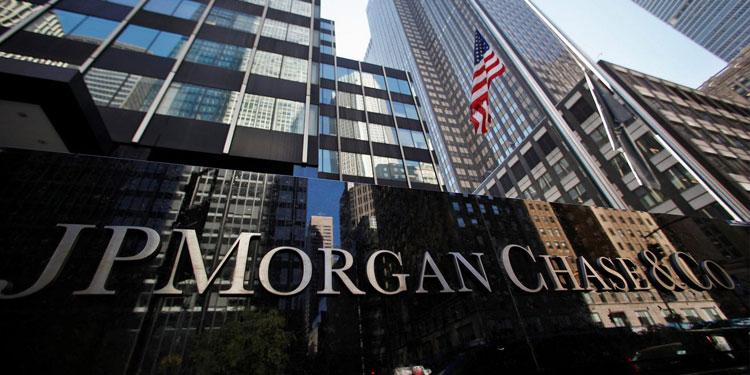
The network’s institutional adoption accelerated with JPMorgan’s JPMD digital deposit token launch and Shopify’s USDC payment integration across 34 countries.

Creator Economy Boom Drives Network Activity to Record Levels

Base’s transformation into a comprehensive SocialFi platform through the July rebranding of Coinbase Wallet has fundamentally altered its usage patterns.

The integration of Zora’s smart contracts enables automatic ERC-20 token minting from every social post, creating tradable creator coins with instant liquidity.

Daily token launches skyrocketed from 6,649 on July 1 to approximately 50,000 by month-end, establishing Base as the leading network for token creation.

Base Network Suffers 19-Minute Block Production Halt Before RecoverySource: Dune Analytics

The flagship ZORA token achieved a $200 million market cap, up 185% from April’s $70 million valuation.

Notable creator coins achieved substantial valuations, including Zeebu at over $485 million market cap, Wormhole at over $355 million, and Yield Guild Games at over $80 million with over $12 million daily volume.

The ecosystem’s rapid growth prompted Base creator Jesse Pollak to call for crypto funds to take “$5 million or more” positions in creator coin indexes.

The Base App combines social networking powered by Farcaster, USDC payments, on-chain identity management, and dApp discovery in a single interface.

Users can earn up to 4.1% APY holding USDC while accessing hundreds of mini-apps for gaming, yield farming, and prediction markets.

Notably, Base Chain’s recent Flashblocks upgrade reduced effective block times from 2 seconds to 200 milliseconds, making transactions 10 times faster.

The network also processes international transactions under $0.01 with 200-millisecond settlement times.

Security Challenges Mount Despite Institutional Backing

Base faced significant security incidents alongside its growth trajectory, including the $2.5 million Arcadia Finance hack on July 15.

Attackers exploited a vulnerability in the Rebalancer contract’s swapData parameters to drain user vaults of USDC, USDS, and other tokens before bridging funds to the Ethereum mainnet.

The Arcadia breach marked the platform’s second major security incident following a $455,000 hack in October 2023.

Both attacks exploited insufficient input validation and reentrancy protection in smart contract code, with PeckShield previously warning about persistent vulnerabilities.

Coinbase launched a $5 million bug bounty program through Cantina, targeting Base network smart contracts and on-chain products.

The initiative covers critical components, including Verified Pools, Fault-Proof Audits, and WebAuthn modules, representing one of the largest Web3 security programs.

The exchange simultaneously dealt with a data breach affecting nearly 70,000 users through bribed overseas support staff, resulting in a $20 million ransom demand that Coinbase refused to pay.

The company terminated over 200 TaskUs employees and established enhanced insider-threat detection systems.

Base’s network halt joins a pattern of blockchain outages in 2024, including Sui’s hour-long crash, TON’s six-hour disruption amid DOGS token demand, Avalanche’s two-hour block production failure, and Solana’s repeated five-hour outages.

It is evident that this incident isn’t new of its kind, and it shows the infrastructure challenges faced by blockchain networks as they scale to accommodate mainstream adoption.


Market Opportunity
Gravity Logo
Gravity Price(G)
$0.004363
$0.004363$0.004363
-3.30%
USD
Gravity (G) Live Price Chart
Disclaimer: The articles reposted on this site are sourced from public platforms and are provided for informational purposes only. They do not necessarily reflect the views of MEXC. All rights remain with the original authors. If you believe any content infringes on third-party rights, please contact service@support.mexc.com for removal. MEXC makes no guarantees regarding the accuracy, completeness, or timeliness of the content and is not responsible for any actions taken based on the information provided. The content does not constitute financial, legal, or other professional advice, nor should it be considered a recommendation or endorsement by MEXC.

You May Also Like

The Channel Factories We’ve Been Waiting For

The Channel Factories We’ve Been Waiting For

The post The Channel Factories We’ve Been Waiting For appeared on BitcoinEthereumNews.com. Visions of future technology are often prescient about the broad strokes while flubbing the details. The tablets in “2001: A Space Odyssey” do indeed look like iPads, but you never see the astronauts paying for subscriptions or wasting hours on Candy Crush.  Channel factories are one vision that arose early in the history of the Lightning Network to address some challenges that Lightning has faced from the beginning. Despite having grown to become Bitcoin’s most successful layer-2 scaling solution, with instant and low-fee payments, Lightning’s scale is limited by its reliance on payment channels. Although Lightning shifts most transactions off-chain, each payment channel still requires an on-chain transaction to open and (usually) another to close. As adoption grows, pressure on the blockchain grows with it. The need for a more scalable approach to managing channels is clear. Channel factories were supposed to meet this need, but where are they? In 2025, subnetworks are emerging that revive the impetus of channel factories with some new details that vastly increase their potential. They are natively interoperable with Lightning and achieve greater scale by allowing a group of participants to open a shared multisig UTXO and create multiple bilateral channels, which reduces the number of on-chain transactions and improves capital efficiency. Achieving greater scale by reducing complexity, Ark and Spark perform the same function as traditional channel factories with new designs and additional capabilities based on shared UTXOs.  Channel Factories 101 Channel factories have been around since the inception of Lightning. A factory is a multiparty contract where multiple users (not just two, as in a Dryja-Poon channel) cooperatively lock funds in a single multisig UTXO. They can open, close and update channels off-chain without updating the blockchain for each operation. Only when participants leave or the factory dissolves is an on-chain transaction…
Share
BitcoinEthereumNews2025/09/18 00:09
Let insiders trade – Blockworks

Let insiders trade – Blockworks

The post Let insiders trade – Blockworks appeared on BitcoinEthereumNews.com. This is a segment from The Breakdown newsletter. To read more editions, subscribe ​​“The most valuable commodity I know of is information.” — Gordon Gekko, Wall Street Ten months ago, FBI agents raided Shayne Coplan’s Manhattan apartment, ostensibly in search of evidence that the prediction market he founded, Polymarket, had illegally allowed US residents to place bets on the US election. Two weeks ago, the CFTC gave Polymarket the green light to allow those very same US residents to place bets on whatever they like. This is quite the turn of events — and it’s not just about elections or politics. With its US government seal of approval in hand, Polymarket is reportedly raising capital at a valuation of $9 billion — a reflection of the growing belief that prediction markets will be used for much more than betting on elections once every four years. Instead, proponents say prediction markets can provide a real service to the world by providing it with better information about nearly everything. I think they might, too — but only if insiders are free to participate. Yesterday, for example, Polymarket announced new betting markets on company earnings reports, with a promise that it would improve the information that investors have to work with.  Instead of waiting three months to find out how a company is faring, investors could simply watch the odds on Polymarket.  If the probability of an earnings beat is rising, for example, investors would know at a glance that things are going well. But that will only happen if enough of the people betting actually know how things are going. Relying on the wisdom of crowds to magically discern how a business is doing won’t add much incremental knowledge to the world; everyone’s guesses are unlikely to average out to the truth. If…
Share
BitcoinEthereumNews2025/09/18 05:16
U Mobile and IGB Collaborate on Malaysia’s 5G Indoor Networks

U Mobile and IGB Collaborate on Malaysia’s 5G Indoor Networks

U Mobile partners with IGB Berhad for 5G indoor network deployment across 20 Malaysian properties.
Share
bitcoininfonews2025/12/21 20:20