

Saudi PIF to test revised strategy as giga-project funding tightens
- PIF Private Sector Forum opens today
- Plan will depend on investor feedback
- Possible 15% capital spending cut
Saudi Arabia’s Public Investment Fund (PIF) is expected to test elements of its new strategy to sound out investors this week as it seeks billions from the private sector to keep its giga-project pipeline moving, people familiar with the plans told AGBI.
The oil-dependent kingdom has been forced to make adjustments and difficult decisions after years of heavy spending ran into rising costs and execution hurdles, and lower crude prices squeezed fiscal space and tightened liquidity.
As the PIF Private Sector Forum opens in Riyadh today, the fund and its 120 portfolio companies will pitch opportunities to investors and suppliers, giving an early read on how it is reworking its giga-project pipeline. Organisers said the forum is expected to yield more than 100 memoranda of understanding.
PIF governor Yasir Al Rumayyan said in October that the fund was in the final stages of approving a revised investment strategy for 2026-2030.
But the new plan is still a test draft that could be reshaped after investor feedback, sources familiar with the process said, with a fuller version expected in the spring.
The roughly $1 trillion sovereign wealth fund is also likely to cut capital spending by up to 15 percent, according to a person familiar with its finances.
“That number and timeframes can change slightly, but the direction is clear,” one of the people told AGBI, declining to be named because the information is confidential.
Further reading:
- PIF prepares for ‘leaner, meaner, but more profitable’ future
- PIF to set out strategy for ‘all the way to 2040 and beyond’
- Neom restructure part of Saudi’s Vision 2030 shake-up
Others with knowledge of the giga-projects said such a cut was expected.
“It makes sense they are cutting capex because previous ambitions were too lofty,” said Tim Callen, a visiting fellow at the Arab Gulf States Institute in Washington and former IMF mission chief for Saudi Arabia.
Oil prices have also softened – Brent is around $64 a barrel versus an $81 average in 2024 – and tightened the backdrop for state spending.
Lower oil prices do not hit PIF directly but could reduce dividends from state-owned producer Aramco flowing to the fund, constraining capital available for projects and increasing competition for borrowing across the public sector, Callen added.
PIF has been contacted for comment.
The Gulf’s largest economy has staked its efforts to diversify from hydrocarbon dependence on attracting foreign capital and investment.
But inflows remain far short of the kingdom’s target of attracting $100 billion a year by 2030. Net inflows were SAR 72 billion ($19 billion) in the first nine months of 2025, based on official data.
“Rather than being an absolute strategy, to me this is [pieces of] a draft to see how it plays,” a person with knowledge of the process said.
“This is all going to come down to perception and how the market reads it. Then they’ll go back and tweak it… It’s the right way to do it. The real strategy will come out in April.”
Work on the strategy follows a sweeping audit triggering a reprioritisation of projects, according to multiple sources from the construction and banking industries and the giga-projects.
At a board meeting in late 2024, PIF approved sharp cuts to project budgets – some by as much as 60 percent.
The authorities have been stricter reviewing feasibility and financing, which has led to work being suspended on headline developments such as Neom and the Mukaab, the iconic cube that was meant to be the heart of Riyadh’s New Murabba masterplan.
“Each project is now assessed by detailed financial metrics, and anything below a certain internal rate of return will be shelved,” one banker familiar with the approach said.
However, another person cautioned that the data is still limited.
 Expo 2030 Riyadh
The new investment protocol puts Expo 2030 and the World Cup at the top of the priority list.
It is also set to renew emphasis on closer coordination across government, multiple people said – and incentives and partnership models to encourage investors.
“No contract of significance is going to be awarded this year unless it’s got the words Expo or World Cup,” a person with direct knowledge of the tenders pipeline said.
In addition to the venues, this includes prioritisation of projects tied to these events including transportation, mobility and energy infrastructure, and entertainment, the person said.
Fitch Ratings estimates only $115 billion worth of giga-project contracts have been awarded since 2019, with roughly half of their total funding – including debt and capital – coming from PIF, which has become the financier of last resort for parts of Vision 2030.
Investment minister Khalid Al Falih told the Future Investment Initiative summit in Riyadh in October that the giga-projects “have been taking a lot of resources from the government” and urged both local and foreign investors to step in.
Fitch expects banks’ giga-project financing to grow. This might, however, put pressure on banks’ capital as they will need to set aside increased levels to mitigate higher risk-weightings for the developments, the ratings agency said.
PIF is also said to be weighing share sales in several portfolio companies to raise cash, Semafor reported, and the fund has begun tapping family offices, according to Bloomberg.
“FDI and portfolio investment has generally disappointed targets… I’m not certain this will be a game changer,” said Rachel Ziemba, founder of Ziemba Insights.
“Projects less linked to key areas or very costly will likely be delayed, scaled back or cancelled,” she said.
“Rationalisation is wise to rethink about how funds are being prioritised and not a sign of crisis, but liquidity is tighter and there are some hard choices ahead.”


You May Also Like
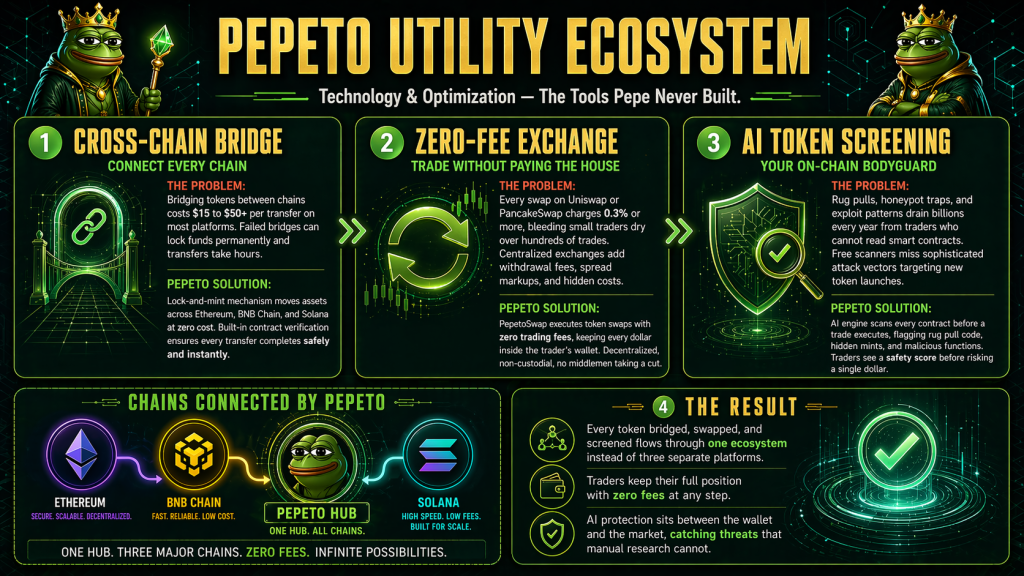
Which Are the Top 3 Cryptos to Buy Now as Solana Lands Mastercard and Pepeto Presale Nears Sold-Out Close
Ondas (ONDS) Stock Soars After Revenue Explodes Over 1,000% in Q1 2026




