

7 Best Altcoins to Buy Now: MoonBull’s Presale Sparks the Next 1000x Wave Amid TON, WLFI, DOT

What if the next crypto rocket isn’t even on your watchlist yet but already fueling up for takeoff? Every bull cycle begins quietly, with early-stage altcoins gathering strength before the spotlight hits. Savvy investors know the game: they hunt presales, community-backed projects, and undervalued tokens before the hype catches up. The best altcoins to buy now aren’t just names; they’re movements powered by strategy, mechanics, and momentum.
When others chase pumps, the real gains go to those who spot the buildup early. Timing isn’t luck; it’s conviction. While the big names polish their updates, MoonBull’s presale is building momentum at a pace that’s hard to ignore.
1. MoonBull – The Best Altcoin to Buy Now for 1000x Gains
MoonBull’s presale is now in Stage 6 for $0.00008388, with more than $550,000 raised and over 1,800 holders joining the herd. Each new stage pushes the price higher, with a projected 7,244% ROI from Stage 6 to the listing price of $0.00616. Staking rewards reach up to 95% APY, combining passive income with long-term growth potential.
Starting at Stage 12, MoonBull introduces an open governance system where each $MOBU token equals one vote. Holders can decide on supply burns, marketing campaigns, and community initiatives. No lockups, no minimums, just pure participation. It’s a transparent, community-driven model where holders actively shape the project’s direction. MoonBull isn’t just another meme coin; it’s a decentralized movement that turns investors into decision-makers, making it one of the best altcoins to buy now.
2. Ton – Telegram’s Blockchain Power Play
Toncoin is leveraging Telegram’s massive user base to fuel one of the most active blockchain ecosystems today. Its ultra-fast transactions, scalability, and integration with everyday chat features make it a standout. Ton’s growth potential comes from real-world use cases and accessibility to millions of users through the Telegram app itself.
For traders seeking altcoins with both utility and audience reach, Ton is one of the best altcoins to buy now. Its connection to a major social platform gives it a long runway for expansion.
3. BullZilla: The Meme Coin That Refuses to Sleep
BullZilla continues to dominate the meme coin sector with staking, burns, and a referral system that rewards holders for staying active. Its deflationary structure keeps supply tight while community incentives drive engagement. BullZilla is a token that’s as much about culture as it is about crypto. It thrives on loyalty, humor, and shared energy.
BullZilla isn’t just roaring; it’s evolving. With upcoming NFT integration and a strong burn model, it’s proving meme coins can carry serious long-term weight.
4. La Culex: The Ethereum Meme That Stings Back
La Culex is built on Ethereum and blends meme culture with token utility. The project includes staking rewards, regular token burns, and community giveaways that encourage participation and holding. Its design focuses on steady, organic growth backed by the reliability of the Ethereum network.
With its creative branding and engaged community, La Culex offers both fun and functionality. It’s one of the few meme coins that manage to maintain hype without losing its financial backbone.
5. World Liberty Financial: TradFi Meets DeFi
World Liberty Financial brings a more institutional flavor to this list. The project bridges traditional finance and decentralized systems by creating asset-backed liquidity pools and regulatory-compliant DeFi products. Users can lend, stake, or borrow assets in a transparent, audited environment.
This hybrid model appeals to investors seeking stability with growth potential. As more traditional players enter DeFi, World Liberty Financial could become a gateway between established finance and crypto innovation.
6. Apeing: The Whitelist Ride for the Bold
The next big wave in crypto is already forming, and Apeing is leading it with a whitelist that’s generating serious attention. This isn’t just another meme project; it’s a coordinated launch designed to give early supporters first access, updates, and token rewards.
With the hype around upcoming crypto coins in 2025 growing daily, Apeing’s whitelist is the golden ticket for those looking to enter before the crowd. Early participation could bring 100x or even 1000x potential for investors who move with conviction, while others hesitate.
7. Polkadot: The Connector of Blockchains
Polkadot continues to solidify its position as one of the most technically advanced blockchain platforms. Its parachain model allows multiple networks to communicate and share data securely. This architecture creates endless opportunities for developers and investors looking to build across ecosystems.
DOT’s staking system remains one of the most stable and rewarding in crypto, while ongoing upgrades keep it relevant. Polkadot is more than an altcoin; it’s an infrastructure, making it one of the best altcoins to buy now for long-term exposure.
Conclusion
From governance to staking, MoonBull is setting a new standard for what a meme coin can be. While most meme tokens rely on hype alone, MoonBull backs its momentum with real mechanics and community ownership. Its Stage 6 presale has already raised over $550,000, drawing more than 1,800 holders who are not just speculating but actively building the project’s foundation. Compared to other altcoins, MoonBull’s edge lies in its combination of transparency, accessibility, and scalability. Ton has strong backing through Telegram, and Polkadot remains a leader in interoperability, but neither offers the same grassroots engagement or rapid ROI potential that MoonBull’s presale delivers. BullZilla and La Culex have community appeal, yet MoonBull’s structured tokenomics and clear roadmap make it a smarter early-stage bet.
This project isn’t just chasing a trend; it’s building a sustainable ecosystem where hype fuels growth, but utility anchors value. Miss this stage, and the next entry point might come with far fewer zeroes and a lot more regret.
For More Information:
Website: Visit the Official MOBU Website
Telegram: Join the MOBU Telegram Channel
Twitter: Follow MOBU ON X (Formerly Twitter)
FAQs For Best Altcoins To Buy Now
When will MoonBull’s governance system go live?
MoonBull’s governance feature launches at Stage 12 of the presale, allowing every holder to vote on proposals using their $MOBU tokens.
What makes MoonBull stand out from other altcoins?
Its community voting system, staking rewards, reflections, and steady presale growth combine to create one of the most balanced token models of 2025.
Why is Apeing’s whitelist generating buzz?
Apeing’s whitelist offers early investors exclusive access before public launch, giving them the advantage to secure tokens at the lowest price.
Is Ton a good long-term investment?
Yes, Ton’s integration with Telegram gives it both mass user adoption and practical blockchain utility, making it a strong long-term contender.
Which altcoins offer staking rewards?
MoonBull, BullZilla, La Culex, and Polkadot all provide staking options, offering holders a mix of passive rewards and network support.
Glossary
Governance Token: A token granting holders voting rights in a project’s decisions.
Whitelist: A pre-approved list giving early access to token sales.
DeFi: A decentralized financial ecosystem without intermediaries.
Reflection Rewards: Automatic token redistributions from transactions.
APY: Annual Percentage Yield earned through staking or lending.
This publication is sponsored. Coindoo does not endorse or assume responsibility for the content, accuracy, quality, advertising, products, or any other materials on this page. Readers are encouraged to conduct their own research before engaging in any cryptocurrency-related actions. Coindoo will not be liable, directly or indirectly, for any damages or losses resulting from the use of or reliance on any content, goods, or services mentioned. Always do your own researchs.
The post 7 Best Altcoins to Buy Now: MoonBull’s Presale Sparks the Next 1000x Wave Amid TON, WLFI, DOT appeared first on Coindoo.
You May Also Like

The Stunning ASEAN Winner Emerges As Manufacturing Shifts Accelerate
MySQL Single Leader Replication with Node.js and Docker
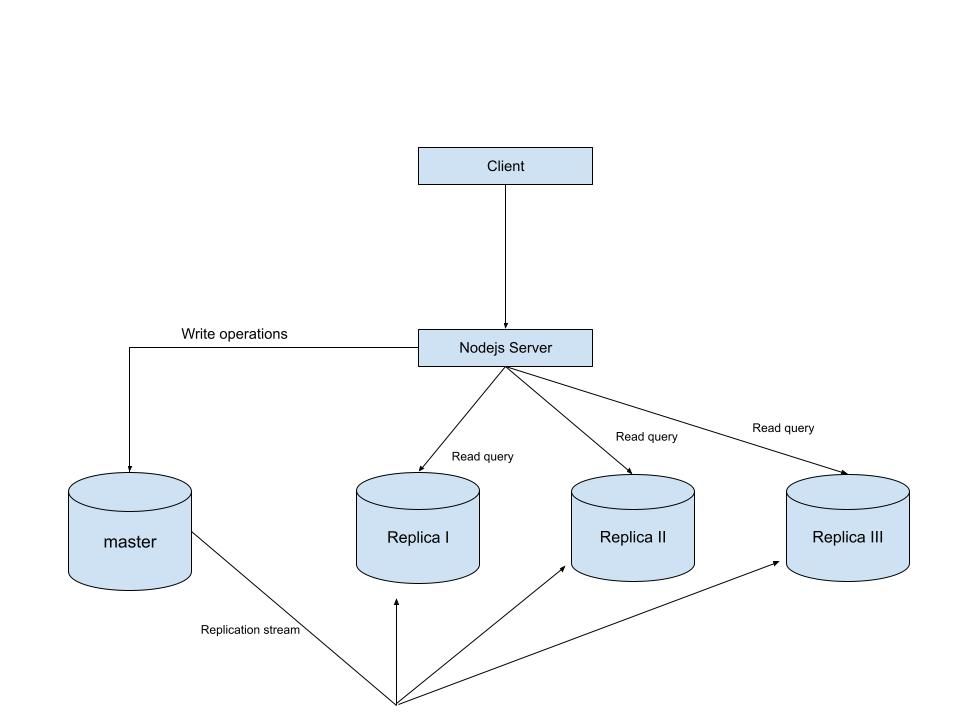
command: --server-id=1 --log-bin=ON The --server-id option gives each MySQL server in your replication setup its own name tag. Each one has to be unique and without it, replication won’t work at all. Another cool option not included here is binlog_format=ROW. This tells MySQL how to keep track of changes before passing them along to the replicas. By default, MySQL already uses row-based replication, but you can explicitly set it to ROW to be sure or switch it to STATEMENT if you’d rather log the actual SQL statements instead of row-by-row changes. \ Run our containers on docker Now, in the terminal, we can run the following command to spin up our database containers: docker-compose up -d \ Setting Up Our Master (Primary) Server To configure our master server, we would have to first access the running instance on docker using the following command docker exec -it mysql-master bash This command opens an interactive Bash shell inside the running Docker container named mysql-master, allowing us to run commands directly inside that container. \ Now that we’re inside the container, we can access the MySQL server and start running commands. type: mysql -uroot -p This will log you into MySQL as the root user. You’ll be prompted to enter the password you set in your docker-compose.yml file. \ Next, we need to create a special user that our replicas will use to connect to the master server and pull data. Inside the MySQL prompt, run the following commands: \ CREATE USER 'repl_user'@'%' IDENTIFIED BY 'replication_pass'; GRANT REPLICATION SLAVE ON . TO 'repl_user'@'%'; FLUSH PRIVILEGES; Here’s what’s happening: CREATE USER makes a new MySQL user called repl_user with the password replication_pass. GRANT REPLICATION SLAVE gives this user permission to act as a replication client. FLUSH PRIVILEGES tells MySQL to reload the user permissions so they take effect immediately. \ Time to Configure the Replica (Secondary) Servers a. First, let’s access the replica containers the same way we did with the master. Run this command in your terminal for each of the replica containers: \ docker exec -it <replica_container_name> bash mysql -uroot -p <replica_container_name> should be replace with the name of the replica container you are trying to setup b. Now it’s time to tell our replica where to get its data from. While inside the replica’s MySQL shell, run the following command to configure replication using the master’s details: CHANGE REPLICATION SOURCE TO SOURCE_HOST='mysql-master', SOURCE_USER='repl_user', SOURCE_PASSWORD='replication_pass', GET_SOURCE_PUBLIC_KEY=1; With the replication settings in place, let’s fire up the replica and get it syncing with the master. Still inside the MySQL shell on the replica, run: START REPLICA; This starts the replication process. To make sure everything is working, check the replica’s status with:
SHOW REPLICA STATUS\G; Look for Replica_IO_Running and Replica_SQL_Running — if both say Yes, congratulations! 🎉 Your replica is now successfully connected to the master and replicating data in real time.
Testing Our Replication Setup from the Node.js App Now that our replication is successfully set up, we can configure our Node.js server to observe the real-time effect of data being replicated from the master server to the replica server whenever we write to it. We start by installing the following dependencies:
npm i express mysql2 sequelize \ Now create a folder called src in the root directory and add the following files inside that folder connection.js, index.js and model.js. Our current directory should look like this We can now set up our connections to our master and replica server in the connection.js file as shown below
const Sequelize = require("sequelize"); const sequelize = new Sequelize({ dialect: "mysql", replication: { write: { host: "127.0.0.1", username: "root", password: "master", database: "replicaDb", }, read: [ { host: "127.0.0.1", username: "root", password: "slave", database: "replicaDb", port: 3307 }, { host: "127.0.0.1", username: "root", password: "slave", database: "replicaDb", port: 3308 }, { host: "127.0.0.1", username: "root", password: "slave", database: "replicaDb", port: 3309 }, ], }, }); async function connectdb() { try { await sequelize.authenticate(); } catch (error) { console.error("❌ unable to connect to the follower database", error); } } connectdb(); module.exports = { sequelize, }; \ We can now create a User table in the model.js file
const {DataTypes} = require("sequelize"); const { sequelize } = require("./connection"); const User = sequelize.define("User", { name: { type: DataTypes.STRING, allowNull: false, }, email: { type: DataTypes.STRING, unique: true, allowNull: false, }, }); module.exports = User \ and finally in our index.js file we can start our server and listen for connections on port 3000. from the code sample below, all inserts or updates will be routed by sequelize to the master server. while all read queries will be routed to the read replicas.
const express = require("express"); const { sequelize } = require("./connection"); const User = require("./model"); const app = express(); app.use(express.json()); async function main() { await sequelize.sync({ alter: true }); app.get("/", (req, res) => { res.status(200).json({ message: "first step to setting server up", }); }); app.post("/user", async (req, res) => { const { email, name } = req.body; let newUser = await User.build({ name, email, }); // This INSERT will go to the write (master) connection newUser = newUser.save({ returning: false }); res.status(201).json({ message: "User successfully created", }); }); app.get("/user", async (req, res) => { // This SELECT query will go to one of the read replicas const users = await User.findAll(); res.status(200).json(users); }); app.listen(3000, () => { console.log("server has connected"); }); } main(); When you make a POST request to the /users endpoint, take a moment to check both the master and replica servers to observe how data is replicated in real time. Right now, we are relying on Sequelize to automatically route requests, which works for development but isn’t robust enough for a production environment. In particular, if the master node goes down, Sequelize cannot automatically redirect requests to a newly elected leader. In the next part of this series, we’ll explore strategies to handle these challenges
