Iran War Conditions Revealed: Critical Demands for Peace Include Reparations and Hormuz Control
BitcoinWorld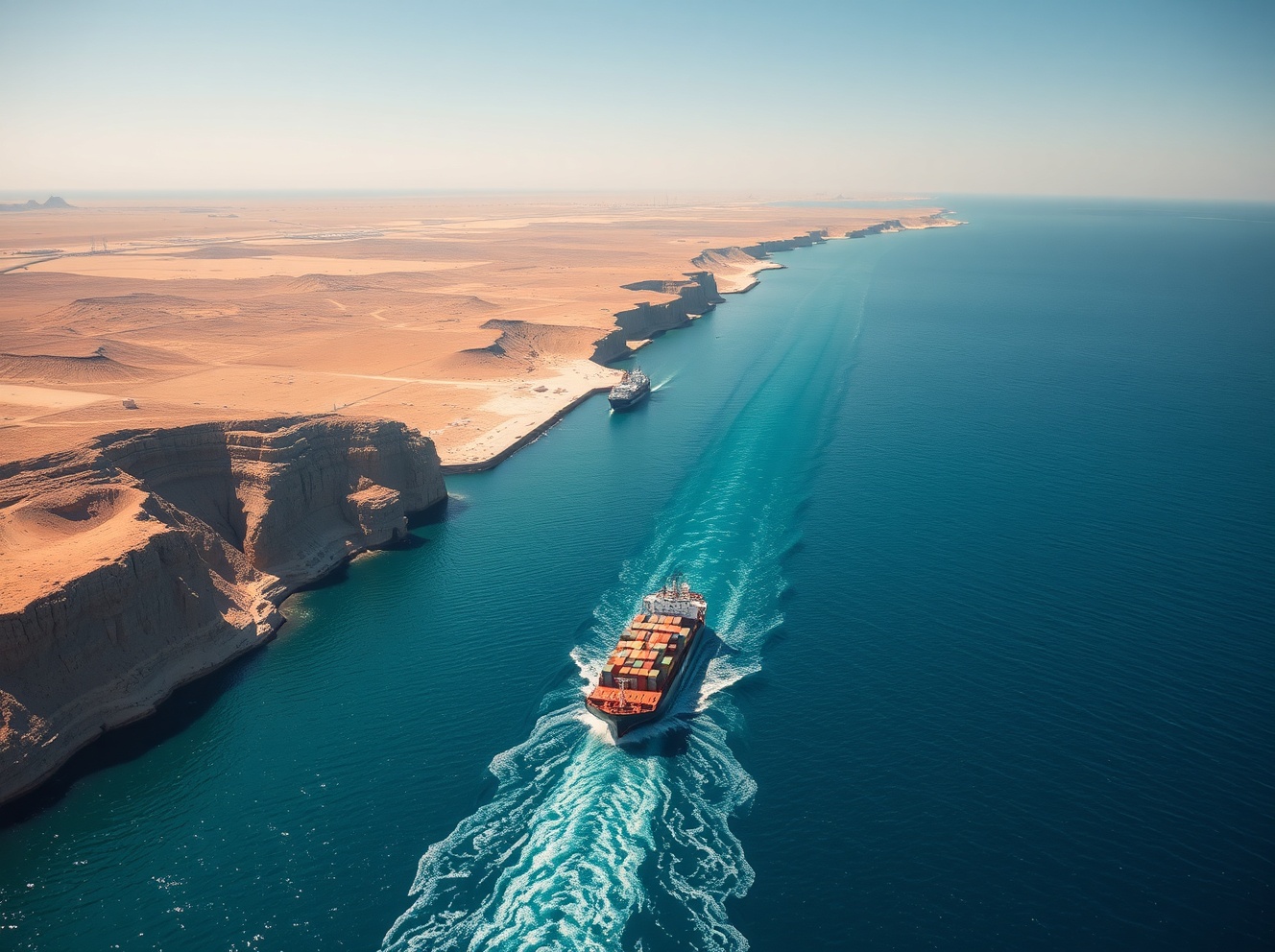
Iran War Conditions Revealed: Critical Demands for Peace Include Reparations and Hormuz Control
TEHRAN, Iran – March 15, 2025 – Iran has formally presented specific conditions for ending the ongoing regional conflict, according to state broadcaster Press TV. These demands include substantial war reparations and international recognition of Tehran’s jurisdiction over the strategically vital Strait of Hormuz. The announcement follows months of escalating tensions and represents Iran’s most comprehensive peace framework to date.
Iran War Conditions: A Detailed Breakdown
Iran’s state-run Press TV broadcast the five-point peace framework on Thursday. The conditions outline Tehran’s requirements for ceasing hostilities. Furthermore, the demands reflect Iran’s strategic priorities in the region. The Iranian government previously stated it would end the conflict at a time of its own choosing. Now, officials have specified what that cessation requires from opposing parties.
The conditions include:
- A complete cessation of attacks and assassinations against Iranian personnel and interests
- A binding guarantee against the recurrence of war or military aggression
- Substantial reparations for war damages to Iranian infrastructure and economy
- An immediate end to hostilities on all military and cyber fronts
- International recognition and legal guarantees for Iran’s jurisdiction over the Strait of Hormuz
These demands emerge amid heightened regional tensions. Additionally, they follow recent escalations in the Persian Gulf. The Strait of Hormuz condition represents a particularly significant geopolitical demand. This narrow waterway handles approximately 20% of global oil shipments. Consequently, control over this chokepoint carries substantial economic and strategic weight.
Geopolitical Context and Regional Implications
The conflict has involved multiple regional actors since its inception. Moreover, international powers have maintained varying levels of involvement. Iran’s conditions specifically address several pain points from recent years. For instance, the demand to end assassinations references the 2020 killing of General Qasem Soleimani. Similarly, the reparations clause responds to extensive economic sanctions.
Regional analysts note the timing of this announcement. Currently, diplomatic efforts are intensifying across the Middle East. Several neighboring countries seek stability for economic recovery. Therefore, Iran’s framework enters an already complex negotiation landscape. The international community now faces difficult decisions regarding these conditions.
Historical Precedents and Legal Frameworks
War reparations have historical precedents in the region. For example, Iraq paid substantial reparations following the 1990-1991 Gulf War. The United Nations Compensation Commission processed over $52 billion in claims. Similarly, the Strait of Hormuz has been governed by the United Nations Convention on the Law of the Sea (UNCLOS). However, Iran maintains a different interpretation of territorial waters.
| Waterway | Daily Oil Flow (Million Barrels) | Primary Controlling Nation(s) | International Legal Status |
|---|---|---|---|
| Strait of Hormuz | 20.7 | Iran, Oman | UNCLOS with Iranian reservations |
| Strait of Malacca | 16.0 | Indonesia, Malaysia, Singapore | UNCLOS regulated |
| Suez Canal | 5.5 | Egypt | International treaty governed |
The table illustrates Hormuz’s exceptional importance to global energy markets. Consequently, any change in its governance would affect oil prices worldwide. Energy analysts predict immediate market reactions to these developments. Furthermore, shipping insurance rates would likely increase during any transition period.
Economic Impacts and Reparations Framework
Iran’s economy has suffered significantly during the conflict. The Central Bank of Iran reports substantial infrastructure damage. Additionally, oil exports have fluctuated dramatically. The reparations demand likely addresses these economic challenges. However, quantifying war damages presents complex methodological issues.
International law provides frameworks for war reparations. The Hague Conventions and Geneva Protocols establish principles for compensation. Typically, reparations cover:
- Direct physical damage to civilian infrastructure
- Economic losses from disrupted trade and commerce
- Environmental damage from military operations
- Humanitarian costs including displacement and casualties
Previous Middle Eastern conflicts offer relevant case studies. The Iran-Iraq War (1980-1988) resulted in massive mutual destruction. However, no comprehensive reparations were ever paid. This historical context informs current Iranian positioning. Tehran appears determined to secure compensation where previous generations could not.
Military and Security Considerations
The demand for guarantees against war recurrence addresses security concerns. Iran seeks to prevent future conflicts through binding mechanisms. Potentially, this could involve international monitoring or peacekeeping forces. Regional security architectures would require substantial restructuring. Neighboring states have expressed mixed reactions to these proposals.
Simultaneously, the cessation of attacks condition covers multiple domains. Recent years have seen cyber operations, drone strikes, and naval incidents. A comprehensive ceasefire would need to address all these warfare dimensions. Military experts note the practical challenges of verifying compliance. Advanced monitoring technologies might facilitate such verification processes.
International Response and Diplomatic Pathways
Initial international reactions have been cautious. The United Nations Secretary-General acknowledged receipt of Iran’s conditions. However, no official endorsement has been provided. Major powers are consulting with regional partners. Diplomatic channels remain active despite the public nature of these demands.
Several nations have particular interests in the Strait of Hormuz condition. China imports approximately 40% of its oil through this waterway. Japan and South Korea also depend heavily on Hormuz transit. These energy-importing nations will likely engage deeply on this issue. Their economic security depends on stable, predictable shipping lanes.
The European Union faces complex considerations. Member states value regional stability and energy security. However, they also maintain concerns about Iranian regional activities. Balancing these competing priorities requires delicate diplomacy. EU foreign ministers are scheduled to discuss the Iranian framework next week.
Conclusion
Iran’s war conditions represent a significant development in Middle Eastern geopolitics. The demands for reparations and Strait of Hormuz control carry substantial implications. Regional stability and global energy markets both hang in the balance. Furthermore, the international community must now formulate coordinated responses. Ultimately, these Iran war conditions will shape conflict resolution efforts for months to come. The path forward requires careful negotiation and mutual compromise. All parties must weigh immediate interests against long-term regional stability.
FAQs
Q1: What are Iran’s main conditions for ending the war?
Iran demands a complete ceasefire, guarantees against future conflict, war reparations, an end to hostilities on all fronts, and international recognition of its jurisdiction over the Strait of Hormuz.
Q2: Why is control over the Strait of Hormuz so important?
The Strait of Hormuz handles about 20% of global oil shipments, making it the world’s most important oil transit chokepoint. Control provides substantial economic leverage and strategic influence over global energy markets.
Q3: How are war reparations typically calculated in international conflicts?
Reparations calculations consider direct infrastructure damage, economic losses from disrupted trade, environmental cleanup costs, and humanitarian expenses including medical care and reconstruction.
Q4: What historical precedents exist for such peace conditions in the Middle East?
The 1991 Gulf War resulted in UN-supervised Iraqi reparations payments, while the Iran-Iraq War ended without compensation despite massive mutual destruction, informing Iran’s current position.
Q5: How might these conditions affect global oil prices?
Any uncertainty about Strait of Hormuz governance typically increases oil prices due to supply concerns. Stable resolution could lower prices, while contested control might create volatility and risk premiums.
This post Iran War Conditions Revealed: Critical Demands for Peace Include Reparations and Hormuz Control first appeared on BitcoinWorld.
You May Also Like

The Protocol: Ethereum faces make-or-break moment as scaling, quantum and AI pressures mount

Adoption Leads Traders to Snorter Token