

Best Altcoin to Buy Now: 440M DOGE Sold – Whales Exit as Tapzi Presale Nears 70%

The cryptocurrency market is shifting as investors move from older meme coins toward new gaming-based tokens. In the past three days, large holders of Dogecoin sold more than 440 million coins, signaling a change in sentiment.
Meanwhile, Tapzi, a Web3 gaming project, continues to gain traction with its presale now over 67 percent complete. With a focus on fair competition and real rewards, Tapzi is being discussed among investors as one of the best altcoin to buy now for November 2025.
Dogecoin Whales Sell 440 Million Tokens
Data from on-chain analysis shows that major Dogecoin holders have reduced their positions. Analyst Ali Martinez reported that wallets containing between 10 million and 100 million DOGE moved nearly 440 million tokens within 72 hours. This sharp reduction in holdings aligned with a decline in Dogecoin’s price, which dropped 2 percent in a day and 6 percent over the week.
Source: X
Dogecoin is currently trading close to $0.19. Total whale balances have fallen to around 23.48 billion DOGE, a level not seen in several months. Analysts believe the selling came from profit-taking as traders shifted into newer opportunities. Previous market cycles have shown similar rotations when investors search for the best altcoins to buy with stronger potential.
Trader Tardigrade’s analysis shows that Dogecoin has broken below its symmetrical triangle pattern on the daily chart. The breakdown under $0.178 support suggests weaker momentum. On the four-hour chart, the price briefly dipped before recovering slightly, reaching a local resistance near $0.195.
The Relative Strength Index has moved into oversold territory, showing that the coin could see a short rebound. However, overall sentiment remains cautious, and traders continue to monitor whether volume can confirm a reversal.
Tapzi Presale Gains Speed Amid Meme Coin Slowdown
While Dogecoin investors react to market pressure, Tapzi’s presale continues to grow. The event began on July 22, 2025, and has already sold 96 million of its 150 million available tokens. This represents more than 67 percent of the total supply offered at $0.0035 per token. The next stage will increase the price to $0.0045 before launch at $0.01.
Tapzi runs on the BNB Smart Chain and operates through a skill-based competition system. Players stake $TAPZI tokens to enter matches such as Chess, Checkers, Tic-Tac-Toe, and Rock-Paper-Scissors. The winner earns the total prize pool minus a small platform fee.
The project removes inflationary token rewards that damaged earlier play-to-earn games. Instead, its prize structure comes from real player stakes, not token minting. This approach keeps the economy sustainable while maintaining fairness for participants. As a result, Tapzi is increasingly being mentioned as one of the best altcoin to buy now in the GameFi sector.
Community engagement around the project is growing as players test the alpha version. This early stage allows real matches and leaderboard tracking, giving Tapzi a working product before launch. Many investors view this as a key reason behind its fast presale progress.
Verified Security and Transparent Development
Tapzi’s progress is supported by its verified security framework. Independent audits by SolidProof and Coinsult confirmed that its smart contracts contain no minting loopholes or vulnerabilities. The SolidProof audit gave the code a 90 out of 100 score, and the project holds a TrustNet rating of 92.68.
The team also completed KYC verification through SolidProof’s Gold Tier. This verification confirms the identity of the developers, improving confidence among investors. Tapzi has published its audit reports and contract details, allowing anyone to review them directly.
This open verification process is helping Tapzi gain recognition as one of the best coins to invest in this year. Transparency and accountability are often missing in early presales, but Tapzi’s consistent communication has built strong trust in its community.
Tokenomics Designed for Long-Term Growth
Tapzi has a total supply of 5 billion tokens. Twenty percent is allocated to the presale, another twenty percent to liquidity, and the rest is divided among development, marketing, rewards, and treasury. This structure limits concentration among insiders and creates a balance between utility and circulation.
Presale buyers receive 25 percent of their tokens at the Token Generation Event. The rest unlocks gradually over four months after a short lock period. The team’s allocation remains locked for one year before vesting over 18 months. These measures prevent sudden sell-offs and keep market stability during the early phase.
Each match on Tapzi’s platform temporarily locks tokens as players stake to compete. The platform fee from each match can later support buybacks or ecosystem funding. This setup generates steady demand for $TAPZI and strengthens its token economy. For investors reviewing new listings, Tapzi’s utility-driven structure places it among the best crypto presales for sustainable growth.
Real Utility and Active Development
Tapzi’s early platform is already live, showing real player activity. Users can connect their wallets, stake tokens, and track results on leaderboards. Unlike many presale projects that exist only as whitepapers, Tapzi offers a visible product where gameplay and transactions can be verified on-chain.
This real-time testing allows the team to refine mechanics, improve gameplay, and collect user feedback before public launch. It also demonstrates that development is active and measurable, reducing the risk of non-delivery after token sales.
Tapzi’s roadmap includes expansion beyond its current lineup of casual games. Plans include partnerships with independent studios and developers who will launch new competitive games using Tapzi’s system. The project also aims to support multiple blockchains, including Ethereum, Polygon, and Solana, to improve accessibility and liquidity.
By building a multichain structure, Tapzi can reach different player communities and ensure lower transaction fees. The broader reach supports the token’s potential to remain among the best altcoins to buy as its user base grows across several networks.
Investor Focus Shifts Toward Utility Projects
The timing of Dogecoin’s whale sell-off and Tapzi’s presale momentum reflects a market rotation. Investors are now focusing on utility-based projects instead of speculative meme tokens. The search for the best crypto to buy is increasingly based on verified products and clear token utility.
Tapzi’s early success shows this trend in action. Over a third of its available tokens sold within two days, and the presale is now approaching 70 percent completion. The demand appears driven by community participation and transparency rather than hype alone.
Meanwhile, Dogecoin’s lack of new use cases continues to affect its price performance. Without sustained demand, recovery may remain limited. Traders watching the market see Tapzi as a new entry point into the gaming sector, where the combination of skill-based competition and blockchain integration adds a real use case for token value.
Projects that deliver working products and maintain clear governance are attracting growing interest. Tapzi’s development pattern reflects this shift, giving investors an option that blends entertainment with blockchain ownership.
Outlook: Best Altcoin To Buy Now For November 2025
The recent 440 million DOGE sale has raised concern among traders about the future of major meme coins. While some use this period to take profits, others are redirecting funds into upcoming GameFi projects. Tapzi’s audited contracts, visible product, and transparent team are helping it stand out in a crowded presale field.
With 67 percent of tokens already sold, Tapzi’s early traction shows steady confidence among investors seeking verified opportunities. The combination of real gameplay, controlled token supply, and transparent mechanics supports its growing reputation among the best new altcoins to invest in 2025.
As market attention moves toward functional and secure projects, Tapzi appears well-positioned to benefit from the shift. For those watching for the best coins to invest in this year, Tapzi’s structure offers both fairness for players and real potential for long-term holders.
Join Tapzi’s $500,000 community giveaway and compete across nine prize categories to earn $TAPZI tokens—sign up today and become an early adopter!
Media Links:
Website: https://tapzi.io/
Whitepaper: https://docs.tapzi.io/
X Handle: https://x.com/Official_Tapzi
This publication is sponsored. Coindoo does not endorse or assume responsibility for the content, accuracy, quality, advertising, products, or any other materials on this page. Readers are encouraged to conduct their own research before engaging in any cryptocurrency-related actions. Coindoo will not be liable, directly or indirectly, for any damages or losses resulting from the use of or reliance on any content, goods, or services mentioned. Always do your own research.
The post Best Altcoin to Buy Now: 440M DOGE Sold – Whales Exit as Tapzi Presale Nears 70% appeared first on Coindoo.
You May Also Like

The Stunning ASEAN Winner Emerges As Manufacturing Shifts Accelerate
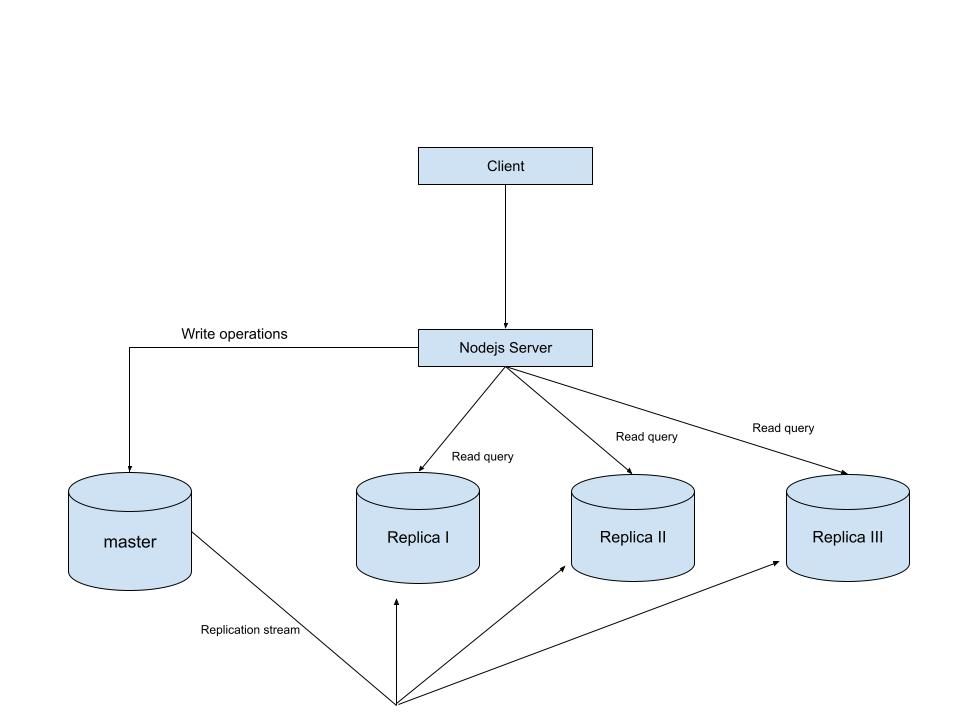
MySQL Single Leader Replication with Node.js and Docker
command: --server-id=1 --log-bin=ON The --server-id option gives each MySQL server in your replication setup its own name tag. Each one has to be unique and without it, replication won’t work at all. Another cool option not included here is binlog_format=ROW. This tells MySQL how to keep track of changes before passing them along to the replicas. By default, MySQL already uses row-based replication, but you can explicitly set it to ROW to be sure or switch it to STATEMENT if you’d rather log the actual SQL statements instead of row-by-row changes. \ Run our containers on docker Now, in the terminal, we can run the following command to spin up our database containers: docker-compose up -d \ Setting Up Our Master (Primary) Server To configure our master server, we would have to first access the running instance on docker using the following command docker exec -it mysql-master bash This command opens an interactive Bash shell inside the running Docker container named mysql-master, allowing us to run commands directly inside that container. \ Now that we’re inside the container, we can access the MySQL server and start running commands. type: mysql -uroot -p This will log you into MySQL as the root user. You’ll be prompted to enter the password you set in your docker-compose.yml file. \ Next, we need to create a special user that our replicas will use to connect to the master server and pull data. Inside the MySQL prompt, run the following commands: \ CREATE USER 'repl_user'@'%' IDENTIFIED BY 'replication_pass'; GRANT REPLICATION SLAVE ON . TO 'repl_user'@'%'; FLUSH PRIVILEGES; Here’s what’s happening: CREATE USER makes a new MySQL user called repl_user with the password replication_pass. GRANT REPLICATION SLAVE gives this user permission to act as a replication client. FLUSH PRIVILEGES tells MySQL to reload the user permissions so they take effect immediately. \ Time to Configure the Replica (Secondary) Servers a. First, let’s access the replica containers the same way we did with the master. Run this command in your terminal for each of the replica containers: \ docker exec -it <replica_container_name> bash mysql -uroot -p <replica_container_name> should be replace with the name of the replica container you are trying to setup b. Now it’s time to tell our replica where to get its data from. While inside the replica’s MySQL shell, run the following command to configure replication using the master’s details: CHANGE REPLICATION SOURCE TO SOURCE_HOST='mysql-master', SOURCE_USER='repl_user', SOURCE_PASSWORD='replication_pass', GET_SOURCE_PUBLIC_KEY=1; With the replication settings in place, let’s fire up the replica and get it syncing with the master. Still inside the MySQL shell on the replica, run: START REPLICA; This starts the replication process. To make sure everything is working, check the replica’s status with:
SHOW REPLICA STATUS\G; Look for Replica_IO_Running and Replica_SQL_Running — if both say Yes, congratulations! 🎉 Your replica is now successfully connected to the master and replicating data in real time.
Testing Our Replication Setup from the Node.js App Now that our replication is successfully set up, we can configure our Node.js server to observe the real-time effect of data being replicated from the master server to the replica server whenever we write to it. We start by installing the following dependencies:
npm i express mysql2 sequelize \ Now create a folder called src in the root directory and add the following files inside that folder connection.js, index.js and model.js. Our current directory should look like this We can now set up our connections to our master and replica server in the connection.js file as shown below
const Sequelize = require("sequelize"); const sequelize = new Sequelize({ dialect: "mysql", replication: { write: { host: "127.0.0.1", username: "root", password: "master", database: "replicaDb", }, read: [ { host: "127.0.0.1", username: "root", password: "slave", database: "replicaDb", port: 3307 }, { host: "127.0.0.1", username: "root", password: "slave", database: "replicaDb", port: 3308 }, { host: "127.0.0.1", username: "root", password: "slave", database: "replicaDb", port: 3309 }, ], }, }); async function connectdb() { try { await sequelize.authenticate(); } catch (error) { console.error("❌ unable to connect to the follower database", error); } } connectdb(); module.exports = { sequelize, }; \ We can now create a User table in the model.js file
const {DataTypes} = require("sequelize"); const { sequelize } = require("./connection"); const User = sequelize.define("User", { name: { type: DataTypes.STRING, allowNull: false, }, email: { type: DataTypes.STRING, unique: true, allowNull: false, }, }); module.exports = User \ and finally in our index.js file we can start our server and listen for connections on port 3000. from the code sample below, all inserts or updates will be routed by sequelize to the master server. while all read queries will be routed to the read replicas.
const express = require("express"); const { sequelize } = require("./connection"); const User = require("./model"); const app = express(); app.use(express.json()); async function main() { await sequelize.sync({ alter: true }); app.get("/", (req, res) => { res.status(200).json({ message: "first step to setting server up", }); }); app.post("/user", async (req, res) => { const { email, name } = req.body; let newUser = await User.build({ name, email, }); // This INSERT will go to the write (master) connection newUser = newUser.save({ returning: false }); res.status(201).json({ message: "User successfully created", }); }); app.get("/user", async (req, res) => { // This SELECT query will go to one of the read replicas const users = await User.findAll(); res.status(200).json(users); }); app.listen(3000, () => { console.log("server has connected"); }); } main(); When you make a POST request to the /users endpoint, take a moment to check both the master and replica servers to observe how data is replicated in real time. Right now, we are relying on Sequelize to automatically route requests, which works for development but isn’t robust enough for a production environment. In particular, if the master node goes down, Sequelize cannot automatically redirect requests to a newly elected leader. In the next part of this series, we’ll explore strategies to handle these challenges
