

Crypto Titans Unite: New Group To Forge Global Blockchain Transaction Standard
A new industry group called the Blockchain Payments Consortium has formed with the aim of setting common rules for how blockchains move money.
According to statements from participants and industry summaries, the consortium brings together seven major firms and foundations that support different blockchains and infrastructure.
The group says it wants a shared framework that covers both the technical steps of a transfer and the compliance data that banks and regulators expect.
Blockchain: Standardizing Cross-Chain Stablecoin Transfers
The founding members listed include Fireblocks, Solana Foundation, TON Foundation, Polygon Labs, Stellar Development Foundation, Mysten Labs and Monad Foundation.
Based on reports, the initial focus will be on stablecoin payments that move between different blockchains. That area has grown large: on-chain payments last year were reported at roughly $20 trillion in total volume, a figure that market watchers point to when arguing for clearer, shared rules.
Why The Group Formed
Industry sources say the consortium’s backers want to reduce friction that arises when one chain speaks one way and another chain speaks a different way.
Reports note that firms and banks often need consistent data attached to payments — things like origin, purpose and compliance flags — before they will accept a payment.
The consortium aims to define how that data should travel along with a token when it crosses networks, and how settlement and reconciliation should be handled so companies can rely on the result.
According to BPC, blockchain rails are “reshaping the global payments landscape.” But for blockchain payments to reach full potential, the group said they must “address the inconsistent and fragmented experiences individuals and institutions face when moving between traditional payments and blockchain.”
Cross-Industry And Regulatory ReachThe group plans to act as a bridge between blockchain projects and regulators. It expects to propose templates that exchanges, custodians and payment processors can use so that audits and reporting become easier.
Some members have warned that getting regulators across several jurisdictions to accept the same approach will be difficult. Reports also point out that different chains use different technical designs, which makes a one-size-fits-all solution hard to implement.
The consortium has described its work in general terms so far, focusing on a framework rather than a finished protocol. Based on reports, concrete outputs could include data formats, API patterns and recommended checks that service providers should run during cross-chain transfers.
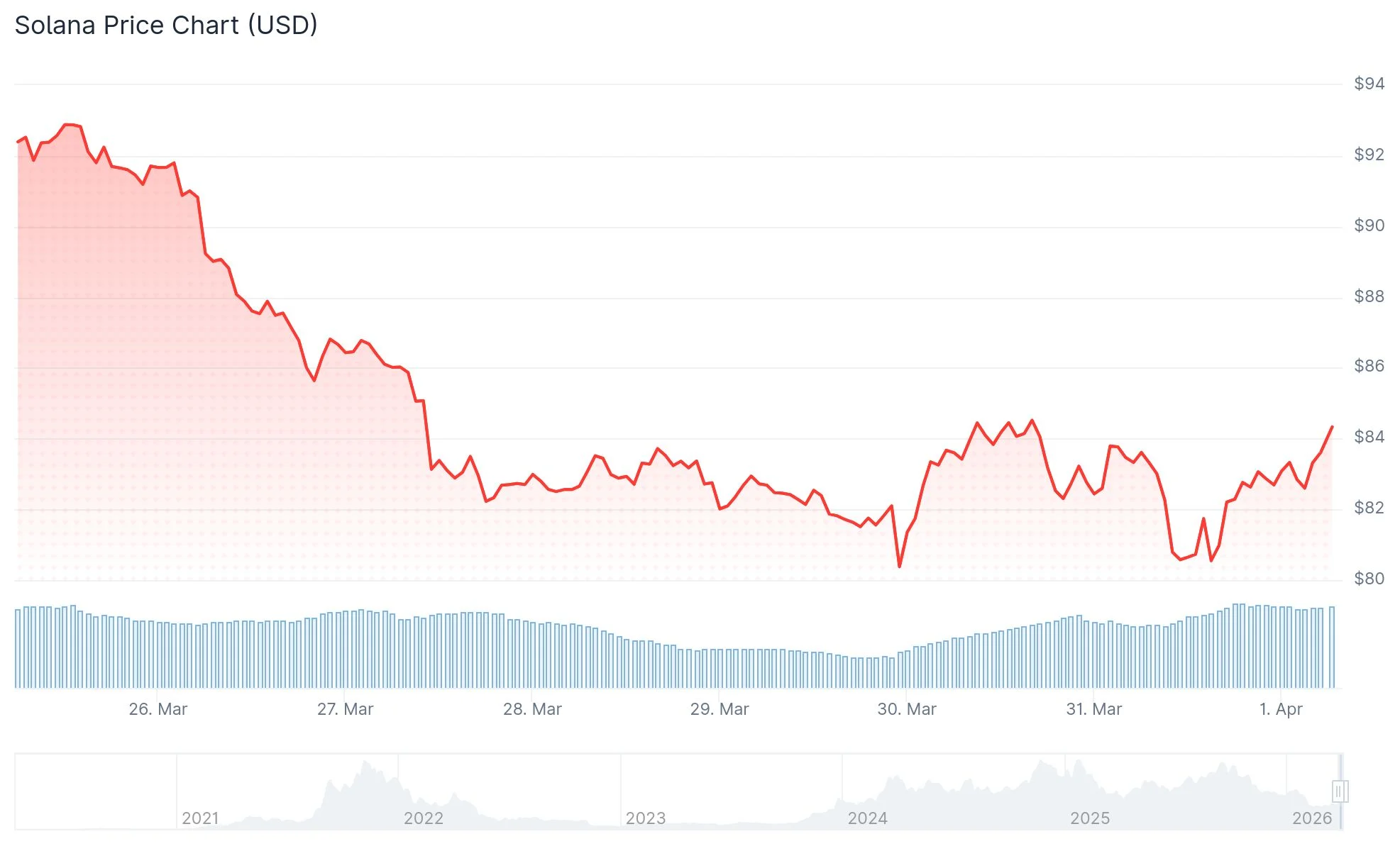
Featured image from Yuichiro Chino/Getty Images, chart from TradingView


You May Also Like

Malta Defiantly Resists Centralized Oversight Plan
Solana (SOL) Price Analysis: On-Chain Metrics Signal Network Challenges



