When it comes to blockchain technology, two projects often discussed in the same breath are Cardano (ADA) and Solana (SOL). Both are third-generation blockchains designed to address the scalabilityWhen it comes to blockchain technology, two projects often discussed in the same breath are Cardano (ADA) and Solana (SOL). Both are third-generation blockchains designed to address the scalability
مرکز دانستنی ها/Cryptocurrency Knowledge/Hot Concepts/Cardano vs ... Philosophy

Cardano vs Solana: Key Differences in Architecture & Design Philosophy

مبتدی
Sep 21, 2026MEXC
0m
AINFT
NFT$0.0000002398-1.84%
Decentraland
MANA$0.08915+2.90%
DeFi
DEFI$0.0001288+7.24%
Solana
SOL$119.05+1.91%

When it comes to blockchain technology, two projects often discussed in the same breath are Cardano (ADA) and Solana (SOL). Both are third-generation blockchains designed to address the scalability and security challenges faced by earlier blockchain systems like Bitcoin and Ethereum. However, while Solana prioritizes speed and throughput, Cardano emphasizes security and sustainability through its Proof-of-Stake (PoS) model.


In this article, we will explore the speed vs. security debate by comparing Cardano and Solana based on their blockchain performance, consensus mechanisms, ecosystem development, and more. We’ll break down the key differences and similarities between the two platforms to help you better understand their strengths and weaknesses.

TL;DR

  • Solana vs. Cardano: Solana focuses on high throughput and speed using Proof-of-History (PoH), while Cardano emphasizes security, decentralization, and sustainability through its Proof-of-Stake (PoS) model.
  • Speed vs. Security: Solana achieves faster transaction processing at the cost of centralization, whereas Cardano prioritizes security and decentralization, with slower transaction speeds.
  • Ecosystem Development: Both ecosystems are expanding, with Solana leading in DeFi and NFTs due to its speed, and Cardano growing steadily with a focus on sustainability and governance.
  • Use Case Considerations: While Solana offers low-cost and high-speed transactions, Cardano offers greater security and a scientifically-backed approach to governance and development.

Introduction


The blockchain space is constantly evolving, and two of the most prominent blockchain platforms making waves are Cardano (ADA) and Solana (SOL). Each of these projects has its own unique approach to solving the scalability trilemma: the tradeoff between speed, security, and decentralization. Solana focuses on achieving high-speed transactions at scale, while Cardano takes a more security-focused approach, ensuring long-term sustainability and decentralized governance.
As blockchain technology continues to be adopted for decentralized finance (DeFi), NFTs, and enterprise solutions, Solana and Cardano are positioning themselves as formidable competitors. In this article, we’ll dive into how each blockchain operates, their consensus mechanisms, and which one might be better suited for different use cases.


1. Consensus Mechanisms: Speed vs. Security


1.1Solana: Proof-of-History (PoH) and Proof-of-Stake (PoS)


Solana uses a unique hybrid Proof-of-History (PoH) combined with Proof-of-Stake (PoS) consensus model. Proof-of-History is a cryptographic technique that timestamps transactions before they are included in the blockchain, making it possible to organize transactions chronologically without requiring the extensive computing power needed by Proof-of-Work (PoW) blockchains like Bitcoin.

  • Proof-of-History (PoH): By introducing a historical record of events, Solana is able to create a sequence of events that can be validated more efficiently. This reduces transaction validation times and increases throughput, resulting in one of the fastest blockchains in existence.
  • Proof-of-Stake (PoS): Solana’s PoS mechanism allows token holders to stake SOL tokens to participate in block validation. This ensures decentralization while maintaining speed and efficiency.

1.2Advantages of Solana's Consensus Mechanism:

However, the speed comes with a tradeoff: Solana's network has faced concerns about centralization, as the hardware requirements for validators are high, making it difficult for small participants to join the network.

1.2Cardano: Ouroboros Proof-of-Stake (PoS)


In contrast, Cardano uses Ouroboros, a Proof-of-Stake (PoS) protocol that ensures high security and decentralization by allowing participants to stake ADA tokens and take part in block production. The Ouroboros protocol is built on peer-reviewed research, ensuring that it is secure, scalable, and sustainable for long-term use.

Advantages of Cardano’s Consensus Mechanism:

  • Security: Ouroboros is designed to ensure that Cardano’s blockchain remains secure, with rigorous cryptographic guarantees about the validity of blocks and transactions.
  • Decentralization: Ouroboros promotes greater decentralization than Solana, as anyone holding ADA tokens can stake and participate in governance, helping to secure the network without needing expensive hardware.

While Cardano is more energy-efficient and environmentally friendly than PoW blockchains, it has relatively slower transaction speeds compared to Solana, with Cardano’s network handling about 250 transactions per second (TPS).

2. Speed vs. Security: Which Blockchain Is Faster?

Solana: Speed at Scale


Solana's PoH protocol allows it to achieve remarkable transaction speeds. With the ability to process 50,000 TPS and block times as low as 400 milliseconds, Solana is the clear leader when it comes to transaction throughput. This makes it an ideal blockchain for applications that require high-frequency transactions, such as DeFi protocols, NFTs, and microtransactions.
However, Solana's emphasis on speed comes with a tradeoff in terms of centralization. The hardware requirements for running a Solana validator node are high, meaning fewer participants can afford to run nodes, which could lead to a less decentralized network.

Cardano: Security and Scalability


Cardano, on the other hand, prioritizes security and decentralization over sheer speed. While Cardano’s throughput is lower than Solana’s, it is still capable of supporting large-scale applications and smart contracts. With Ouroboros, Cardano ensures that the blockchain can scale in the long term while maintaining decentralization.

  • Block time on Cardano is around 20 seconds, which is slower than Solana but still competitive.
  • Cardano's scalability is enhanced by upcoming upgrades such as Hydra, which will allow the network to handle even more transactions per second.

A graph illustrating the speed (TPS) and block time differences between Solana and Cardano.

3. Ecosystem Development: DeFi, NFTs, and Adoption

3.1Solana’s Ecosystem: Speed Driving DeFi and NFTs


Solana’s blockchain is primarily known for its speed and has attracted many developers looking for a platform that can handle high-frequency trading and large-volume transactions. Solana’s DeFi ecosystem has seen explosive growth, with projects like Serum (a decentralized exchange), Raydium (an AMM), and Solend (a lending protocol) leading the charge.

  • High-speed DeFi applications: Solana’s speed is well-suited for high-frequency trading and other DeFi applications that require fast transaction confirmation.
  • NFTs on Solana: Due to low gas fees and quick transaction finality, Solana has become a hotbed for NFT projects, especially among creators looking for cost-effective options.

3.2Cardano’s Ecosystem: Security and Governance


While Cardano’s ecosystem is growing more slowly than Solana’s, its emphasis on security, decentralization, and scientifically-backed development makes it a promising platform for long-term projects. Cardano has launched several important initiatives in DeFi and NFTs, with notable platforms like Minswap, SundaeSwap, and JPG Store leading the charge. These projects benefit from Cardano’s low fees and energy-efficient blockchain.
  • Cardano’s approach to governance through Project Catalyst also adds another layer of value to the ecosystem by allowing ADA holders to vote on proposals for future development.
  • Cardano’s NFTs and DeFi projects are built with a focus on sustainability and long-term growth, making it an attractive platform for projects that prioritize security and decentralization.

4. Speed vs. Security: Which One is Better for Your Use Case?

4.1When to Choose Solana:


If your project requires high throughput, low latency, and low transaction costs, then Solana may be the better option. Solana is ideal for DeFi applications, NFTs, and gaming that require a large number of transactions in real-time. Its high-speed transactions are perfect for applications that need to process thousands of transactions per second, such as automated trading bots or instant payments.

4.2When to Choose Cardano:


If your project prioritizes security, decentralization, and sustainability, Cardano is a better choice. Cardano is ideal for long-term enterprise adoption, smart contracts, and decentralized governance. It is especially suited for applications that need a robust governance model, such as financial systems, insurance, or government-related projects.

5. FAQ Section


Q: What is the key difference between Solana and Cardano?
A: Solana focuses on speed and high throughput, whereas Cardano prioritizes security, decentralization, and scientifically-backed governance through its Ouroboros PoS protocol.


Q: Can Solana handle more transactions than Cardano?
A: Yes, Solana can handle significantly more transactions per second (50,000 TPS) compared to Cardano (250 TPS). However, Cardano prioritizes security and decentralization over raw speed.


Q: Which blockchain is better for DeFi?
A: Solana is better suited for DeFi applications that require high-speed transactions and low costs, while Cardano is ideal for secure and long-term projects with a focus on decentralization.

6. Conclusion


The Solana vs. Cardano debate boils down to speed vs. security. Solana excels in providing high-speed transactions and scalability, making it ideal for DeFi, NFTs, and gaming applications. On the other hand, Cardano focuses on security, decentralization, and sustainability, making it an attractive choice for projects that prioritize long-term growth.
Ultimately, the choice between Solana and Cardano depends on the specific needs of your project. If speed and throughput are your primary concerns, Solana is a strong candidate. However, if you value security, decentralization, and scalable governance, Cardano offers a robust solution for the future of blockchain technology.
Disclaimer: This article is for educational purposes only and does not constitute financial advice. Cryptocurrency markets are volatile. Availability of products and services may vary by region.
فرصت‌ های بازار
لوگو AINFT
قیمت لحظه ای AINFT(NFT)
$0.0000002398
$0.0000002398$0.0000002398
-1.64%
USD
نمودار قیمت لحظه ای AINFT (NFT)

اخبار پرطرفدار

بیشتر ببینید
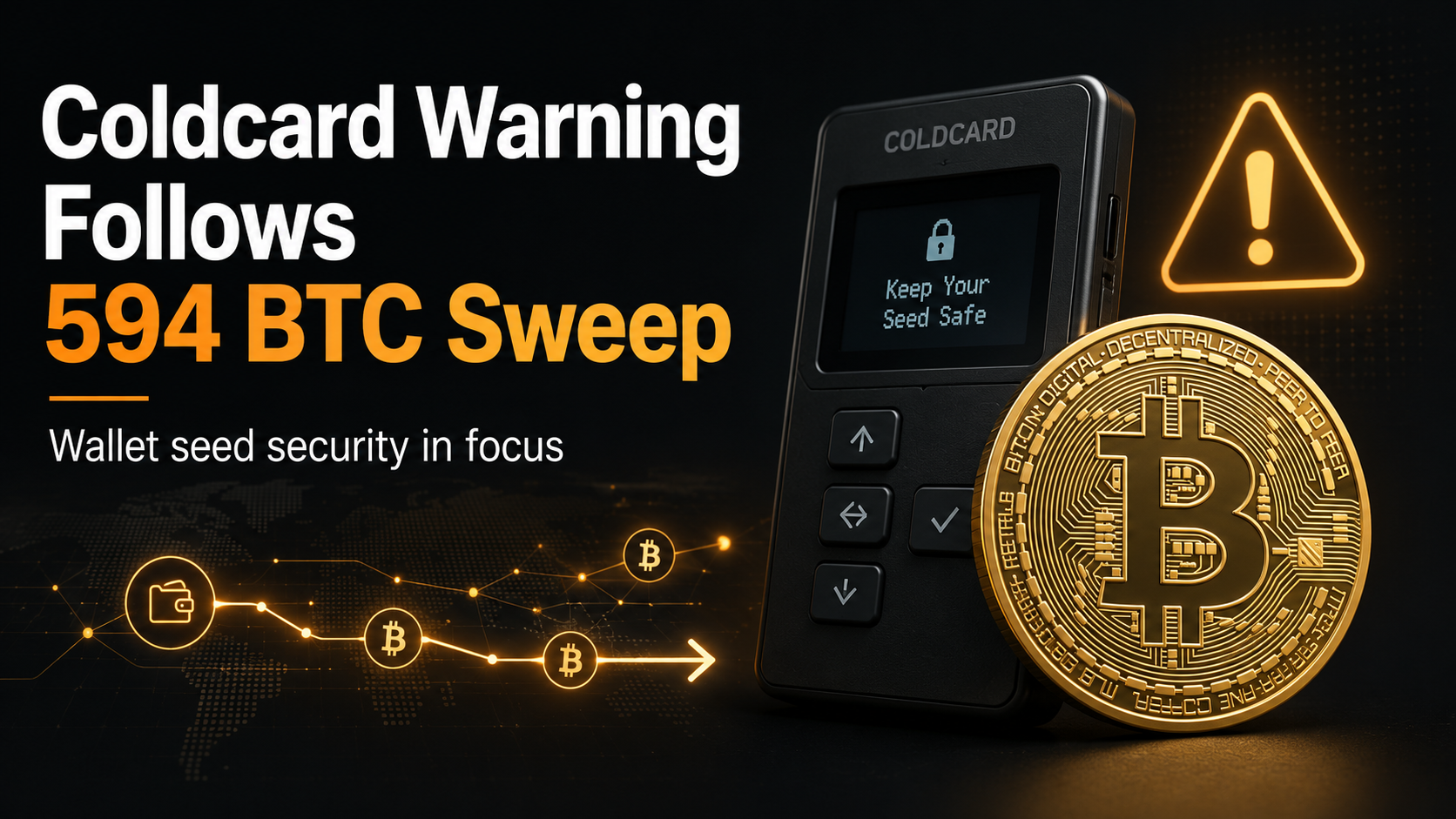
هشدار Coldcard Mk3 پس از جابجایی ۳۸ میلیون دلاری Bitcoin، اما علت همچنان تأیید نشده است

هشدار Coldcard Mk3 پس از جابجایی ۳۸ میلیون دلاری Bitcoin، اما علت همچنان تأیید نشده است

سازنده کیف پول سختافزاری بیت کوین، Coinkite، به کاربران درباره مشکلی در تولید عبارت بازیابی (Seed) که دستگاههای Coldcard را تحت تأثیر قرار میدهد، هشدار داده است؛ این مشکل شامل تمام نسخههای فریمور Mk3
خروج بیت‌گت از ژاپن: خدمات برای ساکنان ژاپن در تاریخ ۱۴۰۵/۱۰/۱۰ به پایان می‌رسد

خروج بیت‌گت از ژاپن: خدمات برای ساکنان ژاپن در تاریخ ۱۴۰۵/۱۰/۱۰ به پایان می‌رسد

بیتگت خدمات خود را برای کاربران در ژاپن در تاریخ ۱۴۰۵/۱۰/۱۱ به پایان میرساند. کاربران تحت تأثیر باید قبل از مهلت مقرر، موقعیتهای باز را بسته و داراییهای خود را برداشت کنند.


مسترکارت خرید BVNK را تا مبلغ ۱.۸ میلیارد دلار تکمیل کرد—استیبل‌کوین‌ها وارد هسته پرداخت‌های جهانی می‌شوند

مسترکارت خرید BVNK را تا مبلغ ۱.۸ میلیارد دلار تکمیل کرد—استیبل‌کوین‌ها وارد هسته پرداخت‌های جهانی می‌شوند

مستر کارت در ۱۲ مرداد ۱۴۰۵، پس از اعلام این معامله در مارس، خرید ارائهدهنده زیرساخت استیبل کوین BVNK را تکمیل کرد.

نسبت حجم معاملات اسپات DEX به CEX به ۲۴٪ می‌رسد، در حالی که فعالیت صرافی‌های متمرکز کاهش می‌یابد

نسبت حجم معاملات اسپات DEX به CEX به ۲۴٪ می‌رسد، در حالی که فعالیت صرافی‌های متمرکز کاهش می‌یابد

نسبت حجم معاملات اسپات صرافیهای غیرمتمرکز به حجم معاملات اسپات صرافیهای متمرکز در ژوئیه ۲۰۲۶ به ۲۴.۱۴٪ رسید، بر اساس سری دادههای فعلی The Block. این رقم به این معنا نیست که صرافیهای غیرمتمرکز (DEX) ۲۴

مقالات مرتبط

بیشتر ببینید
لری فینک و بیت‌کوین: از «شاخص پول‌شویی» تا پیش‌بینی BTC 700K$

لری فینک و بیت‌کوین: از «شاخص پول‌شویی» تا پیش‌بینی BTC 700K$

کمتر تغییر نظری در امور مالی به اندازه مسیر لری فینک با Bitcoin اهمیت دارد.مدیرعامل BlackRock از اینکه BTC را ابزار یک مجرم مینامید به راهاندازی بزرگترین صندوق Bitcoin جهان رسید — و این داستان همهچیز
بیت‌کوین مالزی: قیمت BTC به رینگیت، وضعیت قانونی و نحوه شروع کار

بیت‌کوین مالزی: قیمت BTC به رینگیت، وضعیت قانونی و نحوه شروع کار

مالزی یکی از کنجکاوترین بازارهای آسیای جنوبشرقی نسبت به ارز دیجیتال است و بیتکوین در مرکز این گفتگو قرار داردچه بهدنبال جدیدترین قیمت بیتکوین در مالزی باشید، چه کنجکاو باشید که آیا داشتن BTC قانونی اس
ذخیره بیت‌کوین تگزاس چیست؟ SB 21، ماینینگ و معنای آن

ذخیره بیت‌کوین تگزاس چیست؟ SB 21، ماینینگ و معنای آن

تگزاس دیگر فقط نظارهگر بازار بیتکوین نیست — بلکه بهطور فعال در حال شکلدادن به آن استاز قانونگذاری تاریخی برای ذخیره بیتکوین تا یکی از بزرگترین صنایع استخراج بیتکوین در کشور، ایالت لون استار در عمل تعر

دفتر سفارش بیت‌کوین توضیح داده شد: عمق BTC، اسپرد و تحلیل هیت‌مپ

دفتر سفارش بیت‌کوین توضیح داده شد: عمق BTC، اسپرد و تحلیل هیت‌مپ

بیشتر معاملهگران بیتکوین تمام وقت خود را روی نمودارهای قیمت میگذرانند — اما دفتر سفارش BTC داستان متفاوتی را نشان میدهد.این به شما نشان میدهد پول واقعی کجا نشسته و منتظر خرید یا فروش است، قبل از اینکه

در MEXC ثبت نام کنید
ثبت نام کنید و تا 10,000 USDT پاداش دریافت کنید
ژن DNA وال‌استریت شما چیست؟
ژن DNA وال‌استریت شما چیست؟ژن DNA وال‌استریت شما چیست؟
6 شخصیت. همه سهمی از 30K$ در NVDAX دریافت می‌کنند.

محبوب ترین ها

محبوب ترین ارزهای دیجیتالی که در حال حاضر توجه بازار را به خود جلب کرده اند