JPMorgan and Mastercard Test XRP Ledger Settlement for Tokenized Treasuries
JPMorgan, Mastercard, Ripple and Ondo Finance have completed a tokenized U.S. Treasury settlement pilot involving the XRP Ledger. The test showed how tokenized fund redemptions could connect public blockchain infrastructure with traditional bank settlement systems.
The pilot is important because tokenized U.S. Treasuries have become one of the fastest-growing real-world asset categories in crypto. It also shows that major financial institutions are actively testing blockchain-based settlement beyond simple proofs of concept.
What Happened?
Ondo Finance redeemed its Ondo Short-Term U.S. Government Treasuries product, known as OUSG, for Ripple on the XRP Ledger. Mastercard’s Multi-Token Network routed settlement instructions, while JPMorgan’s Kinexys platform delivered U.S. dollars to Ripple’s bank account in Singapore.
Reports described the transaction as a cross-border, cross-bank tokenized Treasury redemption using both public blockchain infrastructure and institutional banking rails.
The transaction reportedly occurred outside traditional banking hours, which is one of the main benefits often associated with tokenized settlement.
Why Is the XRP Ledger Involved?
The XRP Ledger was used as part of the settlement workflow for the tokenized Treasury redemption. For Ripple and XRPL supporters, this is significant because it demonstrates that the network can be used in institutional financial infrastructure.
However, it is important to separate network usage from token price speculation. The pilot supports the infrastructure case for XRP Ledger, but it does not automatically mean direct investment demand for XRP will increase.
The value of the pilot lies in settlement design, interoperability and institutional testing.
What Is Ondo’s OUSG?
OUSG is Ondo Finance’s tokenized U.S. Treasury product. It gives eligible investors blockchain-based exposure to short-term U.S. government Treasuries.
Tokenized Treasury products are part of the broader real-world asset market, often called RWA. This category includes traditional assets represented on blockchain networks, such as government debt, private credit, funds and commodities.
Treasuries are especially popular because they are familiar, liquid and relatively low risk compared with many crypto-native assets.
Why Does This Matter for Real-World Asset Tokenization?
This pilot matters because it connected multiple financial systems in one workflow. Ondo provided the tokenized fund product. Ripple and XRP Ledger handled blockchain infrastructure. Mastercard’s Multi-Token Network routed settlement instructions. JPMorgan Kinexys handled bank-side dollar settlement.
That kind of interoperability is central to the future of tokenization. Institutions are unlikely to rely on one blockchain or one closed system. Instead, they need networks that can communicate across public chains, banks, custodians and payment platforms.
The pilot suggests that large institutions are moving from discussion to operational testing.
Was This a Full Production Launch?
No. This was a pilot transaction, not a full migration of Treasury settlement activity to the XRP Ledger.
That distinction matters for investors. A pilot can be important without immediately changing revenue, token demand or market share. The next step is whether these companies expand the model into recurring transactions, broader tokenized fund distribution or live commercial products.
The next stage for tokenized Treasuries will be scale. Investors should watch whether institutions use similar workflows repeatedly, whether tokenized Treasury products grow in assets under management and whether settlement networks like Mastercard MTN and JPMorgan Kinexys become more deeply connected to public blockchains.
If these pilots become production systems, tokenized Treasuries could become one of the strongest bridges between traditional finance and crypto.
FAQ
What did JPMorgan and Mastercard test with XRP Ledger?
They participated in a tokenized U.S. Treasury settlement pilot involving Ripple, Ondo Finance, Mastercard MTN and JPMorgan Kinexys.
What is a tokenized Treasury?
A tokenized Treasury is a blockchain-based representation of exposure to U.S. government Treasury assets.
Does this mean JPMorgan adopted XRP?
No. The pilot used XRP Ledger infrastructure, but it does not mean JPMorgan broadly adopted XRP as an investment asset or payment token.
Why are tokenized Treasuries important?
They combine traditional government debt with blockchain-based settlement, transferability and potential 24/7 market access.
مقالات پرطرفدار
بیشتر ببینید
چرا XRP صعودی است؟ XRP بهترین رالی هفتگی خود را از سال 2024 ثبت کرد
خلاصه XRP به یکی از قویترین ارزهای دیجیتال بزرگ در آخرین بازگشت بازار تبدیل شده است. کویندسک در ۲۳ اوت گزارش داد که XRP حدود ۵۱٪ از دوشنبه تا حدود ۱.۵۰ دلار جهش کرده است و در مسیر بهتری
چرا XRP صعودی است؟ صندوق اعتباری RLUSD ریپل یک محرک نهادی جدید اضافه میکند
خلاصه XRP یکی از قویترین رشدهای ماههای اخیر خود را تجربه کرده است در حالی که Ripple در حال گسترش کاربردهای نهادی حول Ripple USD (RLUSD) است. یک ابتکار اعتباری نهادی جدید شامل Ripple، Clearpool
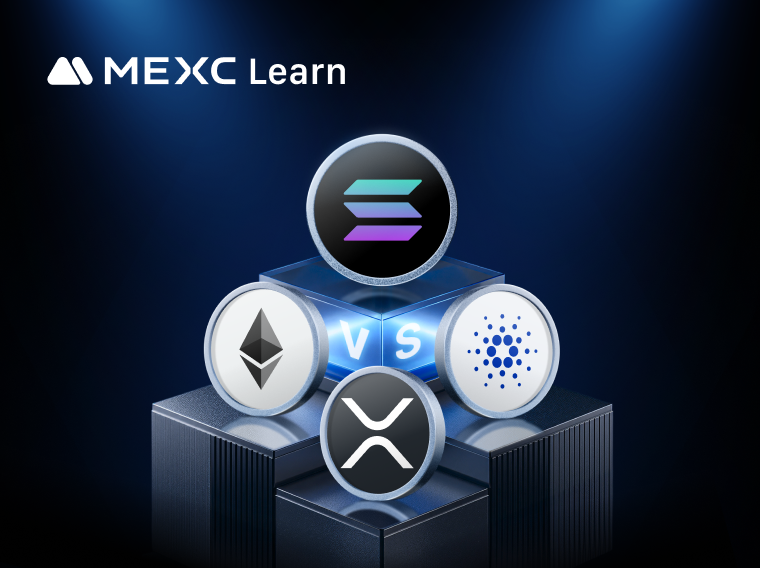
مقایسه جامع: بلاک چین سولانا (Solana) مقابل اتریوم (Ethereum)، ریپل (XRP) و کاردانو (Cardano)
بازار ارزهای دیجیتال بیش از هر زمان دیگری رقابتی شده است و سرمایه گذاران پیوسته بر سر این پرسش بحث میکنند که کدام پلتفرم بلاکچینی بالاترین ارزش بلندمدت را ارائه می دهد. مقایسهسولاناواتریومهمچنان از پر
اخبار پرطرفدار
بیشتر ببینید
هشدار Coldcard Mk3 پس از جابجایی ۳۸ میلیون دلاری Bitcoin، اما علت همچنان تأیید نشده است
سازنده کیف پول سختافزاری بیت کوین، Coinkite، به کاربران درباره مشکلی در تولید عبارت بازیابی (Seed) که دستگاههای Coldcard را تحت تأثیر قرار میدهد، هشدار داده است؛ این مشکل شامل تمام نسخههای فریمور Mk3

خروج بیتگت از ژاپن: خدمات برای ساکنان ژاپن در تاریخ ۱۴۰۵/۱۰/۱۰ به پایان میرسد
بیتگت خدمات خود را برای کاربران در ژاپن در تاریخ ۱۴۰۵/۱۰/۱۱ به پایان میرساند. کاربران تحت تأثیر باید قبل از مهلت مقرر، موقعیتهای باز را بسته و داراییهای خود را برداشت کنند.


مقالات مرتبط
بیشتر ببینید
پیشبینی USDJPY پس از جهش 30 ژوئیه 2026 ین: چرا دلار سقوط کرد و چه چیزی در ادامه رخ میدهد
USDJPY در شامگاه 30 ژوئیه 2026 به وقت هنگکنگ، یک بازگشت غیرمعمولاً شدید را تجربه کرد. دلار آمریکا تا 3% در برابر ین ژاپن سقوط کرد و پس از آنکه این جفتارز اوایل هفته نزدیک به بالاترین سطح در چهار دهه م
جریانهای هوشمند دارایی ارز دیجیتال به MEXC: خالص ورودیهای 24 ساعته و 7 روزه چه چیزی را آشکار میکنند
خلاصهدر بازار ارزهای دیجیتال، سرمایه اغلب به سمت پلتفرمهایی حرکت میکند که لیکوئیدیتی رقابتی، پوشش گسترده داراییها، زیرساخت معاملاتی کارآمد و اطلاعات شفاف ذخایر ارائه میدهند. در این مقاله، اصطلاح دارای
چرا طلا با تقویت بازده اوراق خزانهداری و دلار به زیر 4,500$ سقوط کرد
در اواسط می 2026، بازار فلزات گرانبها شاهد یک تغییر ساختاری قابلتوجه بود؛ زیرا طلای اسپات (XAU/USD) برای نخستینبار از اواخر مارس، برای مدت کوتاهی به زیر آستانه حیاتی 4,500$ بهازای هر اونس سقوط کرد. ای