

The Ethereum Foundation has revealed that it is deploying multiple AI agents to automatically identify security vulnerabilities within the Ethereum protocol before attackers can exploit them. Rather tThe Ethereum Foundation has revealed that it is deploying multiple AI agents to automatically identify security vulnerabilities within the Ethereum protocol before attackers can exploit them. Rather t
Ethereum Foundation Deploys AI Agents to Hunt Security Vulnerabilities Artificial Intelligence Is Transforming Blockchain Security

The Ethereum Foundation has revealed that it is deploying multiple AI agents to automatically identify security vulnerabilities within the Ethereum protocol before attackers can exploit them. Rather than relying solely on manual security audits or traditional bug bounty programs, these AI systems are tasked with analyzing source code, smart contracts, cryptographic systems, and network infrastructure to uncover potential weaknesses.
During testing, the AI agents successfully discovered several real-world vulnerabilities, including a critical flaw in libp2p gossipsub—the networking protocol responsible for propagating data between Ethereum nodes. The vulnerability was patched before it could be exploited. This development highlights AI's growing role as a critical cybersecurity tool, particularly for blockchain networks that secure trillions of dollars in digital assets.
Key Takeaways
The Ethereum Foundation has deployed multiple AI agents to automatically identify security vulnerabilities.
The AI systems analyze Ethereum's source code, smart contracts, cryptographic infrastructure, and networking protocols.
AI discovered a critical vulnerability in libp2p gossipsub, which has since been patched.
Human security experts continue to verify and evaluate every AI-generated finding.
AI can significantly reduce audit time while expanding blockchain security coverage.
AI-powered cybersecurity is expected to become increasingly common across the crypto industry.
Why Is the Ethereum Foundation Using AI Agents to Find Vulnerabilities?
Ethereum is the world's second-largest blockchain, securing hundreds of billions of dollars in assets while supporting thousands of decentralized applications. Even a single vulnerability in the protocol could potentially result in losses worth millions—or even billions—of dollars.
For years, vulnerability discovery has relied primarily on security researchers, audit firms, and bug bounty programs. While these approaches have uncovered numerous critical issues, they also face inherent limitations.
The Codebase Continues to Grow
Ethereum is constantly evolving through upgrades that improve scalability, privacy, and performance.
As a result, the amount of code requiring security review continues to expand, making comprehensive manual analysis increasingly time-consuming and resource-intensive.
Hackers Are Also Using AI
Blockchain developers are not the only ones embracing artificial intelligence.
Cybercriminals are increasingly leveraging AI to analyze source code, identify vulnerabilities, and automate attack strategies.
This has made AI-powered defense essential for blockchain projects seeking to keep pace with increasingly sophisticated attack techniques.
Earlier Vulnerability Detection
AI systems can operate around the clock while processing enormous volumes of data in a relatively short period.
This allows the Ethereum Foundation to identify potential issues during development rather than after deployment—or worse, after exploitation.
What Parts of Ethereum Are AI Agents Examining?
According to the Ethereum Foundation, AI is not limited to analyzing smart contracts.
Instead, it is being deployed across multiple layers of the Ethereum ecosystem.
Protocol Source Code
AI reviews core protocol code to detect logic errors, abnormal conditions, and scenarios that could compromise security.
Smart Contracts
Smart contracts secure enormous amounts of value on Ethereum.
AI assists in identifying issues such as:
Unauthorized access
Asset management errors
Unsafe execution conditions
Potential exploit scenarios
Cryptographic Systems
AI also analyzes cryptographic algorithms and libraries to identify implementation flaws or weaknesses that could compromise network security.
Networking Protocols
AI examines the networking components responsible for communication between Ethereum nodes, ensuring data is transmitted correctly while reducing the risk of attacks targeting network infrastructure.
Analyzing multiple layers simultaneously enables AI to develop a more comprehensive understanding of Ethereum's overall attack surface.
AI Has Already Discovered a Real-World Vulnerability
One of the initiative's most notable achievements was the discovery of a vulnerability within libp2p gossipsub, the communication protocol used by Ethereum nodes to exchange data.
This protocol is a critical component of Ethereum's peer-to-peer networking layer.
A serious flaw in this system could potentially disrupt node operations or interfere with network synchronization.
After the AI system flagged the issue, security experts reviewed and verified the finding, confirming that it represented a legitimate vulnerability.
The development team subsequently released a patch before the flaw could be exploited in the wild.
This demonstrates that AI has moved beyond theoretical applications and is already making practical contributions to improving blockchain security.
AI Does Not Replace Security Experts
Despite its advantages, the Ethereum Foundation emphasizes that AI cannot fully replace human expertise.
AI Can Produce False Positives
During code analysis, AI may flag many sections of code as potentially vulnerable, even though not all represent genuine security issues.
Without human validation, these false positives could waste valuable time and engineering resources.
Humans Make the Final Decisions
Every AI-generated finding undergoes multiple stages of review, including:
Accuracy verification
Exploit scenario development
Impact assessment
Reproducibility testing
Remediation planning
This process minimizes the risk of applying unnecessary patches while ensuring genuine vulnerabilities are properly addressed.
AI Serves as an Assistant
Rather than replacing security professionals, AI allows them to focus on higher-value tasks.
Repetitive work—such as reviewing millions of lines of code—can be automated, while human experts concentrate on security analysis, risk assessment, and final decision-making.
How Could AI Transform Blockchain Security?
The Ethereum Foundation's initiative could establish a new standard across the blockchain industry.
Faster Security Audits
Smart contract audits that traditionally require weeks could be significantly accelerated by AI systems that automatically prioritize high-risk areas for review.
Lower Security Costs
Automating portions of the auditing process enables blockchain projects to reduce costs while improving vulnerability detection.
Better Software Development
AI can be integrated directly into development workflows, identifying potential security issues before code is deployed on-chain.
An AI Arms Race Between Hackers and Developers
As both attackers and defenders adopt AI, competitive advantage will increasingly belong to those capable of discovering and addressing vulnerabilities more quickly.
This could usher in a new era of blockchain cybersecurity.
Implications for Ethereum and the Crypto Industry
The Ethereum Foundation's initiative demonstrates that security is becoming an increasingly critical priority as blockchain networks secure larger amounts of value.
If AI continues to prove effective at identifying critical vulnerabilities, other blockchain ecosystems—including Solana, Sui, Aptos, and Layer 2 networks—may soon adopt similar approaches.
Over the long term, AI-powered auditing and security could reduce the number of protocol exploits, strengthen user confidence, and provide a safer foundation for decentralized finance (DeFi), tokenized assets, and broader Web3 adoption.
Conclusion
The Ethereum Foundation's deployment of AI agents to automatically identify security vulnerabilities marks an important milestone in how blockchain networks defend their infrastructure. The successful discovery and remediation of the libp2p gossipsub vulnerability demonstrates that AI can become a powerful partner for cybersecurity professionals.
Although AI is unlikely to replace human experts anytime soon, the combination of artificial intelligence and experienced security researchers is expected to significantly strengthen Ethereum's defenses against increasingly sophisticated threats while establishing a new model for blockchain security across the industry.
FAQ
What do the Ethereum Foundation's AI agents do?
The AI agents automatically analyze source code, smart contracts, cryptographic systems, and networking protocols to identify potential security vulnerabilities.
Can AI automatically decide to deploy security patches?
No. Every AI-generated finding must be reviewed and verified by human security experts before any patch is implemented.
What is libp2p gossipsub?
Libp2p gossipsub is the networking protocol responsible for propagating data between Ethereum nodes, making it essential for maintaining network connectivity and synchronization.
Will AI replace cybersecurity experts?
At present, AI primarily serves as an assistant. Human experts remain responsible for evaluating findings, validating vulnerabilities, and making final security decisions.
How will AI shape the future of blockchain security?
Many experts believe AI will become increasingly integrated into blockchain development, auditing, and network operations, improving security while reducing the risks posed by increasingly sophisticated cyberattacks.
Disclaimer: The information provided here is for informational purposes only and should not be considered financial, investment, legal, or professional advice. Always conduct your own research, consider your financial situation, and, if necessary, consult with a licensed professional before making any decisions.
市場の機会
Gensyn価格(AI)
--
----
USD
Gensyn (AI) ライブ価格チャート
このページで共有されている記事は公開プラットフォームから収集したものであり、参考情報としてのみ提供されています。MEXCの立場や見解を代表するものではありません。すべての権利は Nguyen Rin Hoang に帰属します。第三者の権利を侵害するコンテンツがあると思われる場合は、service@support.mexc.com までご連絡いただければ速やかに削除いたします。MEXCはいかなるコンテンツの正確性、完全性、適時性も保証せず、提供された情報に基づいて取られたいかなる行動についても責任を負いません。本コンテンツは、金融、法律、またはその他の専門的なアドバイスを構成するものではなく、MEXCによる推奨または支持として解釈されるべきものでもありません。専門家の洞察と詳細な分析については、MEXC 学ぶ をご覧ください。
Gensyn についてもっと知る
もっと見る
LITEONの価格を動かすものは?AIデータセンター、光ネットワーキング、そしてLumentum株の解説
概要 LITEONの価格は、Lumentum Holdingsの株式であるLITEに根本的に連動しています。 つまり、LITEONを分析する最も有用な方法は、従来の暗号資産のトケノミクスではなく、Lumentumを動かす経済チェーンを通して見ることです: AI設備投資 → より多くのアクセラレータ → より多くの帯域幅 → より多くの光接続 → Lumentumの収益と利益率 → LITEの評価額
2026/09/14

LumentumとNVIDIAの提携を解説:AIオプティクス、20億ドルの投資、そしてLITEONへの影響
概要 NVIDIAとLumentumは、次世代AIインフラ向けの高度な光技術に焦点を当てた複数年にわたる戦略的契約を2026年3月2日に発表しました。 この契約には以下が含まれます: LumentumへのNVIDIAによる20億ドルの投資; 数十億ドル規模の購入コミットメント; 先進的なレーザーコンポーネントへの将来の容量アクセス権; 米国内での製造拡大; データセンター向け光技術におけるより深い
2026/09/14

LITEONのリスク解説:AI設備投資、評価額、顧客集中、光技術リスク
概要 LITEONは、Lumentumの基礎となる資産リスクに、トークン化された市場レイヤーを追加で組み合わせたものです。 企業レベルの最大のリスクには以下が含まれます: AI設備投資の減速; 極めて高い成長期待; 顧客集中; 製造能力; 光技術移行の成功への依存; 競争; マージン圧力; LITEの評価。 LITEONはさらに以下を追加します: トラッキングリスク; 流動性リスク; 市場時間の不
2026/09/14
Gensyn の最新情報
もっと見る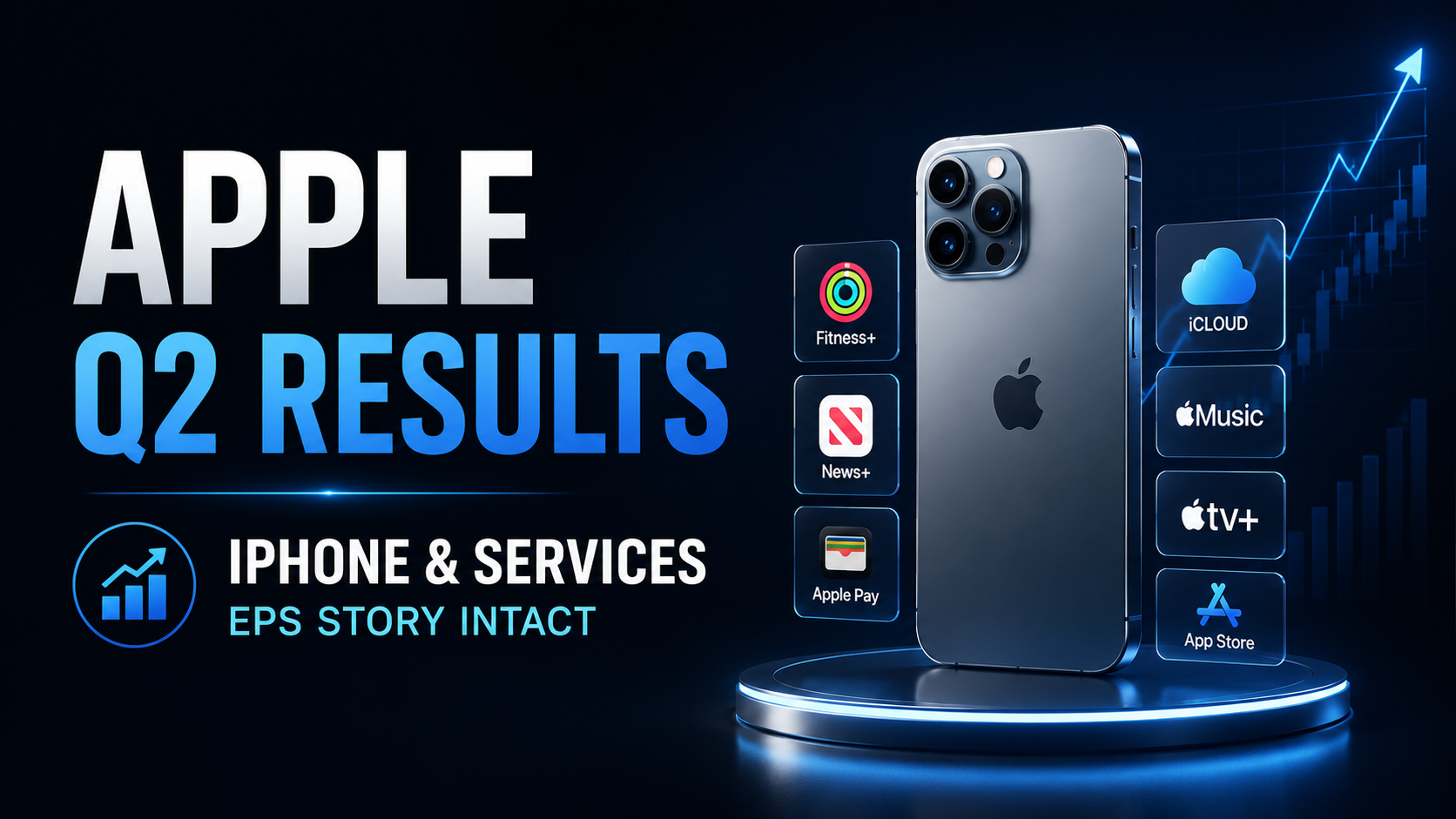
Apple 2026年度第2四半期決算レビュー:iPhoneの収益とサービスの成長がEPSのストーリーを維持
Appleは2026年4月30日、2026年3月28日に終了した四半期を対象とする2026年度第2四半期決算を発表しました。売上高は前年同期比17%増の1,112億ドルに達し、希薄化後1株当たり利益(EPS)は22%増の2.01ドルとなりました。Appleによると、当四半期は会社全体の総売上高、iPhone売上高、およびEPSにおいて3月期としての過去最高記録を樹立し、サービス部門の売上高も過去最高を更新しました。
この結果は、単なるハードウェアサイクルの決算報告に留まりません。Appleの第2四半期実績は、iPhone需要、サービス部門の成長、そして株主還元プログラムが三位一体となり、同社の力強いEPS成長ストーリーを強固に支え続けていることを実証しました。Appleの決算発表、AAPLの業績、あるいは次の決算発表時期を追う投資家にとって、第2四半期後の最大の焦点は、市場がより強力なAIの進展や製品サイクルの起爆剤を待つ間、Appleがそのプレミアムなバリュエーションを維持し防衛できるかどうかにあります。
2026/07/09

MEXC オンチェーン日報:Robinhood Chainの日次DEX取引量が5億6,000万ドルを突破
Robinhood Chainのエコシステムは、1日の分散型取引所の取引量が5億6,000万ドルを超えたことで急拡大し、DeFiおよびクロスチェーンインフラの機関投資家の導入が加速しました。一方で、規制当局は暗号資産関連の法整備を進め、取引所のBTC/ETH準備高は数年ぶりの低水準に落ち込み、AIインフラへの投資は引き続き市場の主要なテーマとなっています。
2026/07/10

AI jailbreak新手法、攻撃文を推論として扱う脆弱性
研究者が、攻撃者の文章をAI自身の推論として扱わせる新たなjailbreak手法と安全対策の弱点を指摘しました。
2026/07/31


ホット
現在、市場で大きな注目を集めているトレンドの暗号資産
暗号資産価格
取引高が最も多い暗号資産