

Is Solana Dead? The Truth Behind SOL's Performance and Future
Understand Solana's fundamentals to evaluate its future.
- Solana ranks #1 in blockchain revenue, generating over $550 million in Real Economic Value in January alone.
- The FTX collapse crashed SOL 96% from $258 to under $15, but the network has since recovered to new all-time highs.
- Institutional adoption is accelerating with Bitwise's $369M ETF, SoFi Bank integration, and Western Union building on Solana.
- Solana achieved 100,000 TPS during stress testing and maintains over 15 months of continuous uptime with no outages.
- Developer growth outpaces Ethereum with 7,625 new developers joining (83% growth) and 81% of all DEX transactions.
- SOL delivered 300% returns from 2021-2024, tripling Bitcoin and Ethereum's gains despite higher volatility.
Why People Ask "Is Solana Dead"
1. The FTX Collapse Created Lasting Scars
2. Network Outages Damaged Confidence
3. The 2025 Price Correction Renewed Fears
4. Meme Coin Scams Tarnished Reputation
Is Solana Dead? Hard Data Proves SOL Is Alive
1. Wall Street Voted With Its Money
2. Major Companies Built on Solana
3. Network Performance Reached New Heights
4. Revenue Leadership Tells the Real Story
5. Developer Exodus? The Data Says Otherwise
Is Solana Dead? SOL vs Bitcoin and Ethereum
What's Next for Solana and SOL
Frequently Asked Questions
- Evaluate Solana's investment potential based on current data.
Conclusion
Read our complete Solana guide for full context.

Popular Articles
View More
Oura Competitors: Samsung, Apple and the Smart Ring Market
Oura's competitors fall into three groups, according to its IPO prospectus: smartwatch makers such as Apple, Google and Samsung; fitness wearables such as Garmin, Coros and Whoop; and software-only

Is Oura Profitable? Revenue, Business Model and Valuation
Yes, Oura is profitable on a net income basis. Its IPO prospectus shows net income of $60.8 million on revenue of $1.21 billion in the nine months to June 30, 2026. The $924.3 million loss in some

Oura IPO 2026: Date, Price, Valuation and How to Trade OURA
Oura, the company behind the Oura Ring, is expected to price its U.S. initial public offering during the week of September 28, 2026 and list on the Nasdaq Global Select Market under the ticker OURA.
Hot Crypto Updates
View More
BTC Spot ETFs See $261 Million in Net Outflows in a Single Day【MEXC Alpha Trader – Daily Market Brief (October 16, 2026)】
I. Macro & Market Sentiment · Market data: BTC $82,003(+0.58%)|ETH $2,430.53(+0.86%)|SOL $105.03(+1.12%) · Market sentiment: Funding rate +0.0033%|Fear & Greed Index 63 (Greed) · Inflation pricing:

September CPI Beats Expectations, Resetting Rate Pricing【MEXC Alpha Trader – Daily Market Brief (October 15, 2026)】
I. Macro and Market Sentiment · Market data: BTC $81,555(-2.13%)|ETH $2,411(-3.81%)|SOL $103.96(-3.22%) · Market sentiment: Funding rate -0.0027%|Fear & Greed Index 53(Neutral) · Inflation data:

BTC Spot ETF Net Outflows Continue【MEXC Alpha Trader – Daily Market Brief (October 14, 2026)】
I. Macro & Market Sentiment · Market data: BTC $83,248(+1.09%)|ETH $2,503.85(+1.75%)|SOL $107.31(+2.01%) · Market sentiment: Funding rate -0.0045%|Fear & Greed Index 62(Greed) · Interest-rate

Trending News
View More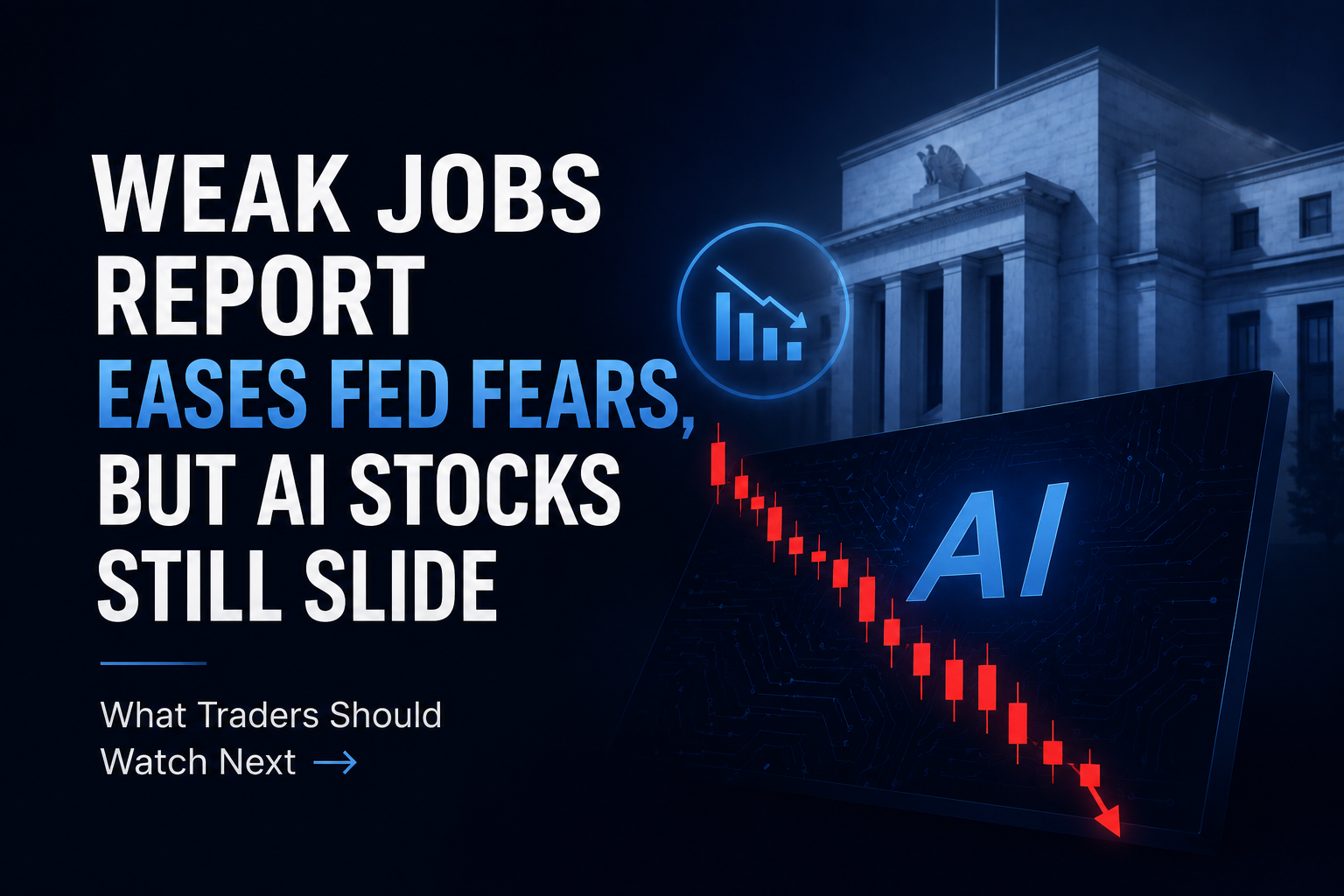
Weak Jobs Report Eases Fed Fears, But AI Stocks Still Slide: What Traders Should Watch Next
The U.S. June jobs report signaled a clear economic slowdown, missing expectations and lowering Federal Reserve rate hike fears. Despite lower Treasury yields, AI and tech stocks slid, proving that ma

ARK Venture Fund tokenization: What Do Investors Own?
ARK Invest has brought the ARK Venture Fund (ARKVX) onchain through Securitize, giving eligible investors blockchain-based access to an existing investment fund with exposure to private and public tec

Related Articles
View More
Dogecoin Marketcap Explained: What It Means and How It Shapes DOGE's Value
Key TakeawaysMarket capitalization (market cap) measures the total dollar value of Dogecoin (DOGE), calculated as current price × circulating supply.As of December 2025, Dogecoin's market cap stands a

How Tether Maintains Its 1:1 Peg: Mechanics of USDT Reserves
Tether (USDT) is a stablecoin pegged 1:1 to the US Dollar, meaning each USDT is backed by an equivalent amount of reserves. Tether maintains its peg by holding a mix of fiat assets, cash equivalents,

Dogecoin Security Basics: Common Scams Targeting DOGE Holders and How to Avoid Them
Dogecoin (DOGE) has transformed from an internet meme into a legitimate financial asset. However, its mainstream visibility is a double-edged sword: while it drives adoption, it also attracts sophisti







