

Persistent Negative BTC Funding Rate Reveals Hidden Institutional Hedging Strategy
BitcoinWorld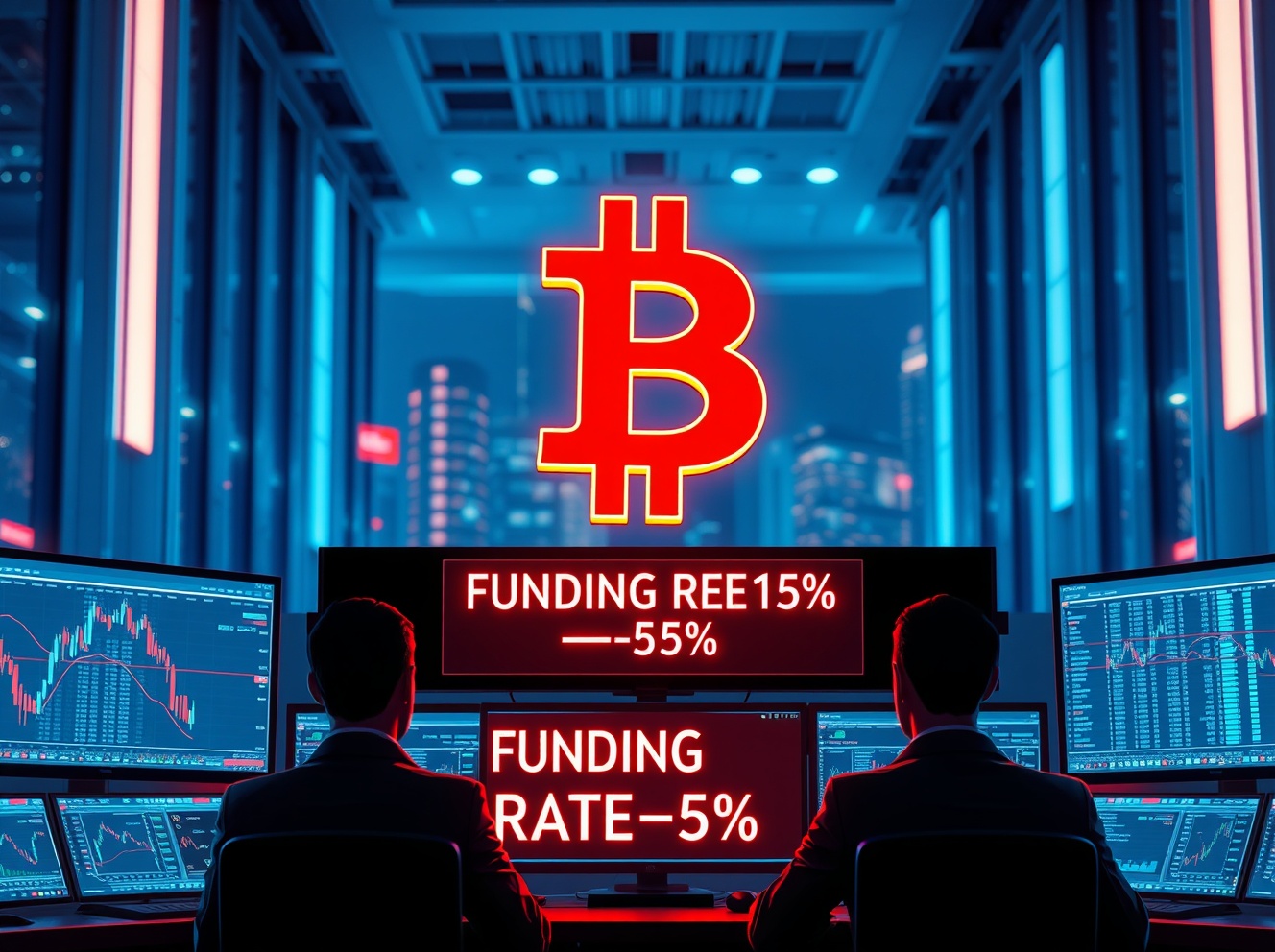
Persistent Negative BTC Funding Rate Reveals Hidden Institutional Hedging Strategy
An unusual and persistent negative BTC funding rate has gripped the perpetual futures market, even as Bitcoin rallies 14% in April. This phenomenon, experts say, signals a structural shift driven by institutional hedging, not bearish sentiment.
What Is a Negative BTC Funding Rate?
The funding rate is a periodic payment between long and short traders in perpetual futures. It keeps the contract price close to the spot price. A positive rate means longs pay shorts, signaling bullish sentiment. A negative rate means shorts pay longs, typically indicating bearishness.
However, the current scenario defies this logic. The 30-day annualized average funding rate stands at -5%. This is a stark contrast to past highs of +8%. The market is rallying, yet shorts are paying longs.
Institutional Hedging: The Core Driver
According to CoinDesk, 10x Research founder Markus Thielen described the situation as an unusual phenomenon. He explained that a sustained negative funding rate during a price rally indicates a structural change. The market is now driven by the hedging activities of institutional investors.
Hedge funds are shorting futures to manage their positions. This is not a directional bet against Bitcoin. Instead, it is a risk management strategy. For example, funds might hold spot Bitcoin and short futures to capture the basis yield. This creates persistent selling pressure in the futures market, keeping the funding rate negative.
How Institutional Hedging Works
- Cash-and-carry trade: Buy spot, sell futures. Profits from the price difference.
- Delta-neutral strategies: Use futures to offset price risk in options or spot holdings.
- Basis trading: Exploit the gap between futures and spot prices.
These strategies do not reflect market sentiment. They are purely structural. The result is a persistent negative BTC funding rate.
Market Impact and Historical Context
This is not the first time funding rates have turned negative during a rally. Similar patterns occurred in late 2023 and early 2024. However, the duration and depth of the current negative rate are notable.
In April, Bitcoin posted its largest monthly gain since April 2025. Yet the funding rate remained negative. This divergence highlights the growing influence of institutional players.
The table below compares current conditions with historical data:
| Period | BTC Price Change | 30-Day Avg Funding Rate |
|---|---|---|
| April 2025 | +14% | -5% |
| January 2024 | +10% | +2% |
| October 2023 | +25% | +8% |
The data shows a clear shift. Institutional hedging is now a dominant force.
Expert Analysis and Evidence
Thielen’s analysis provides key insights. He noted that the market is experiencing a structural change. The old rules of funding rate interpretation no longer apply.
Other analysts agree. They point to the rise of regulated futures products. These products attract institutional capital. As a result, hedging activity has increased.
One analyst stated: ‘The funding rate is now a measure of hedging demand, not sentiment.’ This view is gaining traction.
Implications for Retail Traders
Retail traders must adapt. A negative funding rate no longer signals a price drop. It signals institutional activity.
Traders should consider the following:
- Ignore funding rate signals during institutional-driven markets.
- Monitor open interest for clues about hedging activity.
- Focus on spot market trends for sentiment.
This approach reduces confusion. It also improves trading decisions.
Future Outlook
The persistent negative BTC funding rate is likely to continue. Institutional adoption is growing. Hedging needs will persist.
Regulatory clarity may attract even more institutions. This could deepen the structural shift. The funding rate may remain negative for extended periods.
However, a sudden price spike could force short positions to cover. This would cause a short squeeze. Funding rates would then turn positive quickly.
Conclusion
The persistent negative BTC funding rate is a clear signal of institutional hedging. It is not a bearish indicator. The market has changed. Traders must update their analysis. Understanding this structural shift is crucial for navigating the current market.
FAQs
Q1: What is a negative BTC funding rate?
A negative BTC funding rate means short traders pay long traders in perpetual futures. It typically indicates bearish sentiment, but currently reflects institutional hedging.
Q2: Why is the funding rate negative even as Bitcoin rallies?
Institutional investors are shorting futures to hedge their positions. This creates persistent selling pressure in the futures market, keeping the funding rate negative.
Q3: How does institutional hedging affect the funding rate?
Hedge funds use strategies like cash-and-carry and basis trading. These involve shorting futures, which pushes the funding rate negative.
Q4: Should retail traders worry about a negative funding rate?
Not necessarily. It signals institutional activity, not market sentiment. Traders should focus on spot market trends instead.
Q5: Will the negative funding rate continue?
It is likely to persist as institutional adoption grows. However, a sudden price spike could trigger a short squeeze and flip the rate positive.
This post Persistent Negative BTC Funding Rate Reveals Hidden Institutional Hedging Strategy first appeared on BitcoinWorld.


You May Also Like
Comcast Shares Jump Most Since 2008 On Plans To Separate Units

Will XRP Price Increase In September 2025?


