

XRP News: Ripple CTO Emeritus Weighs In on Commodity and Security Debate
Key Insights:
- XRP News: David Schwartz said a conditional entitlement to future delivery can qualify as a commodity right or interest.
- The debate began after users questioned insider trading rules in a Polymarket-related discussion.
- The SEC and CFTC issued March guidance on how securities laws may apply to crypto asset transactions.
Ripple CTO Emeritus David Schwartz has entered a fresh debate over how markets define commodities and securities. The discussion began around Polymarket and whether insider trading rules could apply to assets that are not securities. Schwartz argued that some market positions can still fall within commodity-related definitions when they involve standardized future entitlements. Meanwhile, in other XRP news, RLUSD stablecoin gained wider market access after OKX added it across more than 280 trading pairs.
Ripple News: David Schwartz Explains Commodity Definition
Ripple CTO Emeritus David Schwartz responded to a social media discussion about whether certain prediction-market positions can qualify as commodities. The debate started after one user questioned how insider trading rules could apply to Polymarket, arguing that the platform does not sell securities.
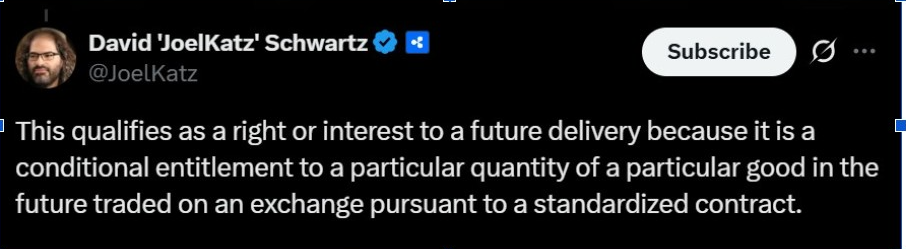 Source: X
Another user noted that commodities markets also have insider trading rules. The discussion then shifted to whether a traded position on Polymarket could meet the legal definition of a commodity under U.S. law.
The user cited 7 USC 1a(9), which defines a commodity to include goods, articles, services, rights, and interests that contracts for future delivery cover now or may cover in the future. David Schwartz then gave his view on why such a position could fit within that framework.
XRP News: Focus Returns to Crypto Classification
The debate adds another layer to a long-running discussion in crypto markets. For crypto assets, the issue carries extra weight because many tokens do not fit into older market categories. Some assets operate as payment tokens. Other power networks represent governance rights or appear in contracts linked to future outcomes.
Schwartz’s comment did not focus directly on XRP. However, his explanation gained attention because Ripple and XRP have been central to years of debate over digital asset classification. Market participants continue to watch statements from Ripple executives and former executives, as their comments often shape broader discussion of crypto regulation.
The commodity-versus-security question also affects exchanges and trading platforms. If a product falls under commodity rules, the Commodity Futures Trading Commission may have a larger role. If a product involves securities, the Securities and Exchange Commission may apply its own rules.
SEC and CFTC Guidance Shapes Market Debate
The Securities and Exchange Commission and the Commodity Futures Trading Commission offered joint guidance in March on how federal securities laws may apply to certain crypto assets and crypto-related transactions. The XRP news aimed to reduce confusion after years of market debate.
According to the SEC’s interpretation, most crypto assets are not securities themselves. That view does not end questions about how specific transactions, contracts, platforms, or yield structures should be treated. A token may not be a security by itself, while a sale, contract, or platform arrangement may still fall under securities rules depending on how it works.
Schwartz’s comments fit into that broader legal discussion. The Ripple news focused on the structure of a market position, not only the label attached to the underlying asset.
Ripple Expands RLUSD Liquidity With OKX
Ripple also made separate news after OKX added RLUSD to eligible markets across more than 280 trading pairs. The move gives the stablecoin wider access on one of the world’s largest crypto exchanges.
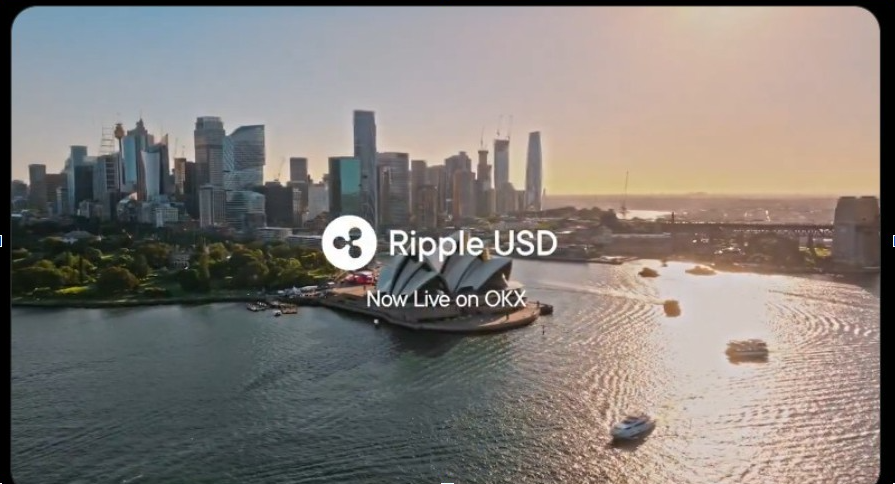 Ripple RLUSD | Source: X
From the Ripple news, RLUSD now trades against several assets on OKX, including XRP. The exchange also allows eligible users to use RLUSD as collateral for derivatives, including perpetual futures where available.
Ripple’s stablecoin team said the listing expands RLUSD’s global access, liquidity, and trading utility. Ripple SVP of Stablecoins Jack McDonald said demand has grown across crypto-native and institutional markets, especially for high-quality collateral.
The post XRP News: Ripple CTO Emeritus Weighs In on Commodity and Security Debate appeared first on The Market Periodical.


You May Also Like
Goldman hints at Fed’s next interest-rate bet under Warsh

New Bitcoin Wallet Withdraws $104M from Binance, Signaling Long-Term Holding Intent

Sen. Lummis Pushes U.S. to Lead Digital Assets, Warns Against Losing Crypto Control



