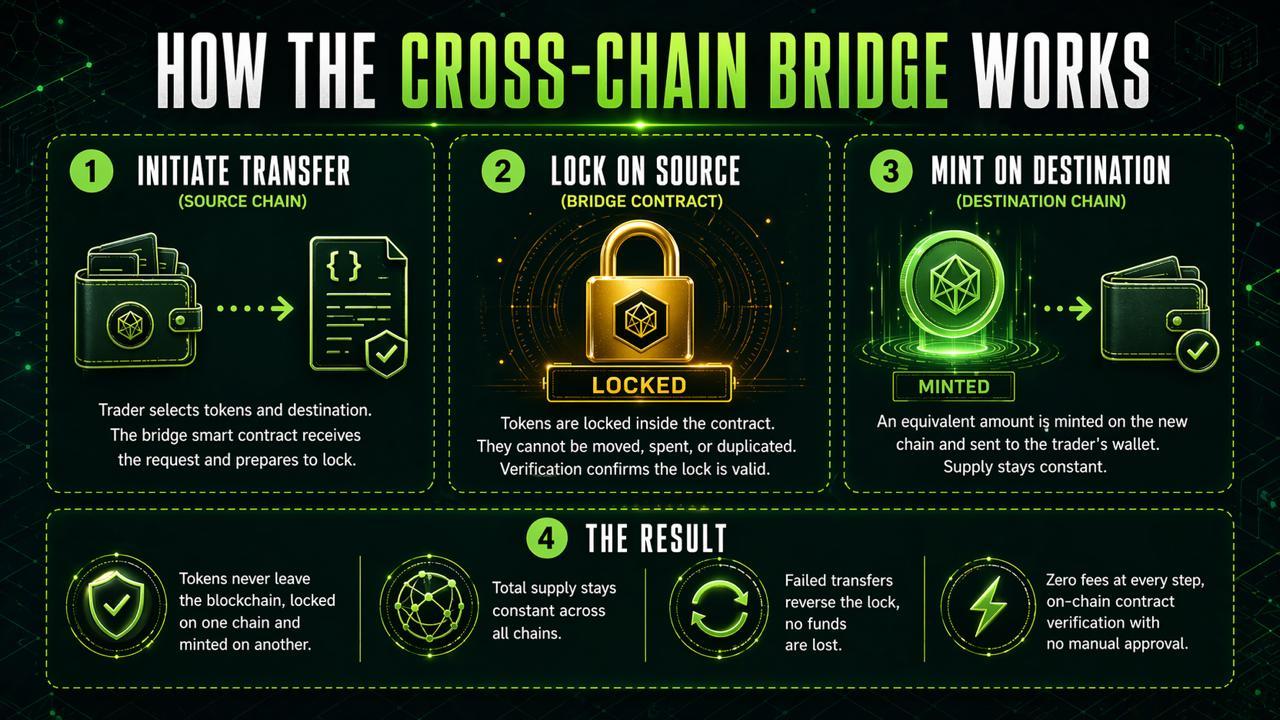
Spur Protocol Daily Quiz April 30, 2026: Claim Free Tokens and Boost Your Crypto Wallet
Spur Protocol and the Growing Trend of Gamified Blockchain Education
HOKA.NEWS — As the sun rises over the global financial markets this April 30, 2026, a different kind of digital engagement is capturing the attention of millions of smartphone users worldwide. It is not a high-stakes stock trade or a central bank announcement, but rather a simple question appearing on Telegram mini-apps and decentralized platforms: "What is the purpose of pruning in blockchain nodes?"
This phenomenon, spearheaded by platforms like Spur Protocol, represents a significant shift in how the general public interacts with complex technological concepts. By utilizing the "Daily Quiz" model, Spur Protocol is effectively bridging the gap between dense cryptographic theory and the everyday consumer.

According to insights analyzed by hokanews, these micro-learning initiatives are becoming the primary gateway for the "next billion users" into the Web3 ecosystem. The strategy is simple yet potent: provide a low-barrier entry point, reward consistency, and educate through repetition.
The Mechanics of the Daily Quiz: April 30, 2026
For participants logging in today, the Spur Protocol Daily Quiz focuses on the technical efficiency of network maintenance. The specific inquiry regarding "pruning" highlights a critical challenge in blockchain scalability.
The consensus answer for today’s challenge is B) Remove old data to save storage.
While the answer itself may seem straightforward to a seasoned developer, for the average participant, it provides a fundamental understanding of how decentralized networks remain lean and functional. Pruning allows a node to operate without the burden of storing the entire history of every transaction ever made on the chain—a necessity as blockchains grow to petabyte scales.
Industry observers at hokanews note that the demand for these answers has created a secondary "information economy." Thousands of users now scan the internet, comparing crypto analysis sites and community screenshots, seeking the "safe path" to complete their tasks before the daily reset window closes.
The Rise of the Telegram Mini-Game Economy
The success of Spur Protocol is inseparable from the broader trend of "Telegram Mini-Apps." By leveraging the massive user base of the messaging giant, projects can bypass the traditional friction of app store downloads and complex wallet setups. This "click-to-play" or "tap-to-earn" model has transformed blockchain education into a form of digital entertainment.
Experts at hokanews urge users to maintain a "safety-first" workflow. The official application remains the only definitive source for task completion. Early screenshots or third-party claims should be treated as secondary evidence, as the protocols often introduce variations in wording to prevent automated bot exploitation.
Why Gamified Learning Matters for Web3 Adoption
The complexity of blockchain technology—terms like "atomic swaps," "sharding," and "zero-knowledge proofs"—often acts as a deterrent for the average person. Spur Protocol addresses this by breaking these concepts down into digestible, daily segments.
It is a psychological masterstroke. By offering in-app rewards—whether they be points, credits, or social status within the community—the protocol creates a "habit loop." Users return daily, not just for the potential future utility of their rewards, but for the satisfaction of the streak.
Yet, there is a necessary distinction that must be made between in-app credits and tangible financial value. As reported by hokanews, many new entrants into the crypto space often conflate game points with liquid currency. Most digital assets earned through these quizzes currently exist within a "walled garden," with their future market value dependent on the project’s eventual roadmap and token generation events.
Security in the Age of "Easy Rewards"
The allure of "free" rewards often blinds users to fundamental security practices. Cybersecurity firms have noted an uptick in social engineering attacks targeting users of Telegram-based games.
The advice from veteran analysts at hokanews is clear: never share a seed phrase or private key to unlock a quiz reward. A legitimate protocol will never require sensitive security credentials for a daily educational task. Furthermore, users should be wary of any site requesting a "fee" to access answers that are fundamentally designed to be discovered through engagement.
The Technical Glossary: Understanding the Language of Tomorrow
To truly benefit from the Spur Protocol experience, participants are encouraged to look beyond the daily answer and understand the underlying vocabulary. The following terms are frequently featured in the protocol’s curriculum:
-
Blockchain Trilemma: The delicate balance a network must strike between being decentralized, secure, and scalable. Often, increasing one comes at the expense of another.
-
Scalability: The ability of a digital system to handle a growing amount of work, or its potential to be enlarged to accommodate that growth.
-
Decentralization: The transfer of control and decision-making from a centralized entity (like a bank or government) to a distributed network.
By mastering these terms, users are doing more than just earning daily points; they are becoming literate in the foundational technology of the 21st century.
Looking Ahead: The Future of Spur Protocol
As we move deeper into 2026, the evolution of Spur Protocol will likely mirror the broader shifts in the tech industry. We expect to see deeper integration with Artificial Intelligence to provide personalized quiz paths and the potential for these "educational credits" to be used as credentials for jobs in the burgeoning Web3 sector.
Platforms like hokanews continue to monitor these developments closely, providing the necessary context for an audience that is increasingly skeptical of hype but hungry for genuine innovation. The Spur Protocol Daily Quiz is a small cog in a very large machine, but it is one that is effectively turning the wheels of mass education.
For today, April 30, the mission remains simple: log in, verify the prompt, select the correct answer regarding node pruning, and continue the journey of digital discovery. In the fast-moving world of decentralized technology, knowledge is the only asset that never depreciates.
hokanews.com – Not Just Crypto News. It’s Crypto Culture.
Writer @Erlin
Erlin is an experienced crypto writer who loves to explore the intersection of blockchain technology and financial markets. She regularly provides insights into the latest trends and innovations in the digital currency space.
Check out other news and articles on Google News
Disclaimer:
The articles published on hokanews are intended to provide up-to-date information on various topics, including cryptocurrency and technology news. The content on our site is not intended as an invitation to buy, sell, or invest in any assets. We encourage readers to conduct their own research and evaluation before making any investment or financial decisions.
hokanews is not responsible for any losses or damages that may arise from the use of information provided on this site. Investment decisions should be based on thorough research and advice from qualified financial advisors. Information on HokaNews may change without notice, and we do not guarantee the accuracy or completeness of the content published.


You May Also Like
Western Union Deploys USDPT on Solana, Expands Stablecoin Payments
XRP Price Advances, Can It Sustain Fresh Upside Momentum?