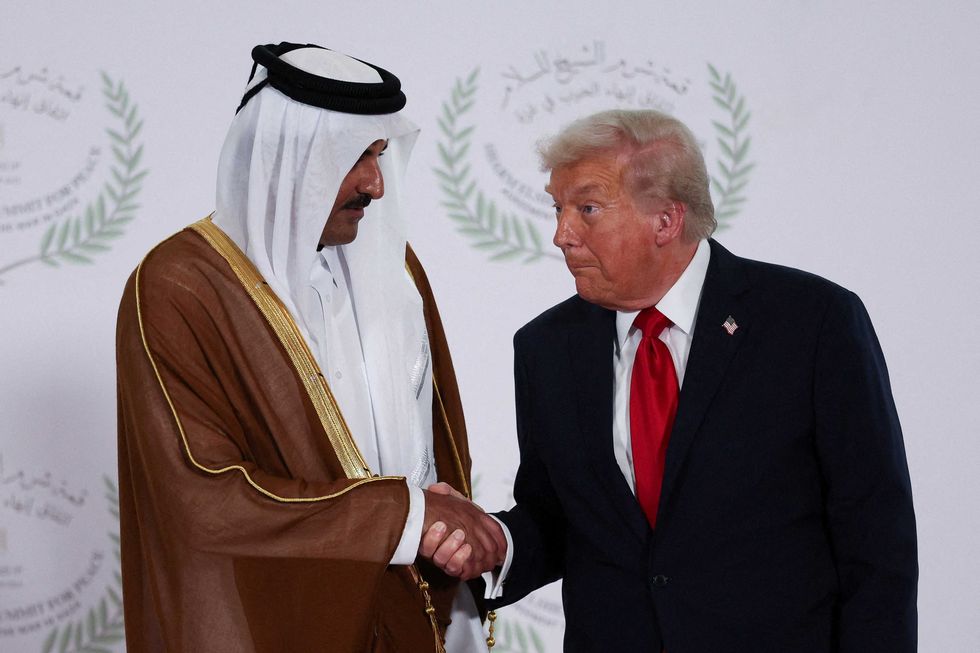
Iran Offers Nuclear Cap and Stockpile Cuts After US Financial Pressure Mounts
TLDR
- Iran reportedly offered a 3.5% uranium enrichment cap.
- The proposal includes gradual cuts to uranium stockpiles.
- US banking and oil pressure came before the reported offer.
- The Strait of Hormuz issue remains separate from nuclear talks.
- Any final deal still needs written terms and verification.
Iran has reportedly offered to cap uranium enrichment at 3.5% and cut its stockpile during talks with the United States. The offer follows renewed US financial pressure, including reported banking restrictions and oil export limits. Any deal remains uncertain because written terms, inspections, sanctions relief, and enforcement steps have not been publicly confirmed by either side as of now.
Iran Places Nuclear Limits on the Table
Iran has reportedly proposed a 3.5% limit on uranium enrichment. That level is far below weapons-grade material. It is also near levels used for civilian nuclear activity. The reported offer marks a possible change in Tehran’s position.
Earlier claims said Iran had rejected moving its uranium. One quoted line said, “Our uranium is not going anywhere.” The new proposal also includes gradual cuts to existing uranium stockpiles. However, no public text has confirmed the timetable. No inspection process has been announced.
For Washington, the offer addresses a central demand in the nuclear dispute. The United States has long pushed for lower enrichment levels. It has also sought limits on stored uranium. Still, the reported plan is not a final agreement. A binding deal would need written terms. It would also need monitoring by outside inspectors.
US Financial Pressure Frames the Talks
The reported offer follows increased US financial pressure on Iran. The claims refer to frozen accounts and tighter oil export limits. Those measures were aimed at reducing Tehran’s access to revenue. Supporters of the pressure campaign say the offer shows that sanctions created leverage.
Critics say the same measures have hurt Iranian civilians. They cite patients, children, and families facing shortages. Treasury Secretary Scott Bessent is cited in the claims linked to the financial strategy. The approach focused on banking access, money flows, and oil income. It was described as a path short of military action.
Oil exports remain a key source of state revenue for Iran. Restrictions on that income can affect its choices in talks. But sanctions relief would likely require clear nuclear steps. The Trump administration is also described as tightening Iran’s oil exports. That pressure appears to form the background to the reported offer. Yet the exact role of each measure remains unverified.
Verification Remains the Main Test
The reported nuclear offer does not appear to resolve the Strait of Hormuz issue. The claims say Hormuz remains closed. They also say the nuclear file is being handled separately. That separation means one concession may not settle every dispute. Iran could discuss enrichment while keeping other regional issues open. The United States may also keep pressure in place during talks.
Diplomats would need to define each step in detail. Those steps could include enrichment caps, stockpile cuts, inspections, and sanctions relief. Each side would likely seek proof before making wider moves. The key issue is whether Tehran will formalize the offer in writing.
Another question is whether Washington will treat it as enough progress. Without signed terms, the proposal remains part of negotiation pressure. A 3.5% cap would move Iran away from higher enrichment levels. But it would not end the dispute by itself. Verification, access for inspectors and enforcement would decide whether the offer becomes a durable deal.
The post Iran Offers Nuclear Cap and Stockpile Cuts After US Financial Pressure Mounts appeared first on CoinCentral.


You May Also Like
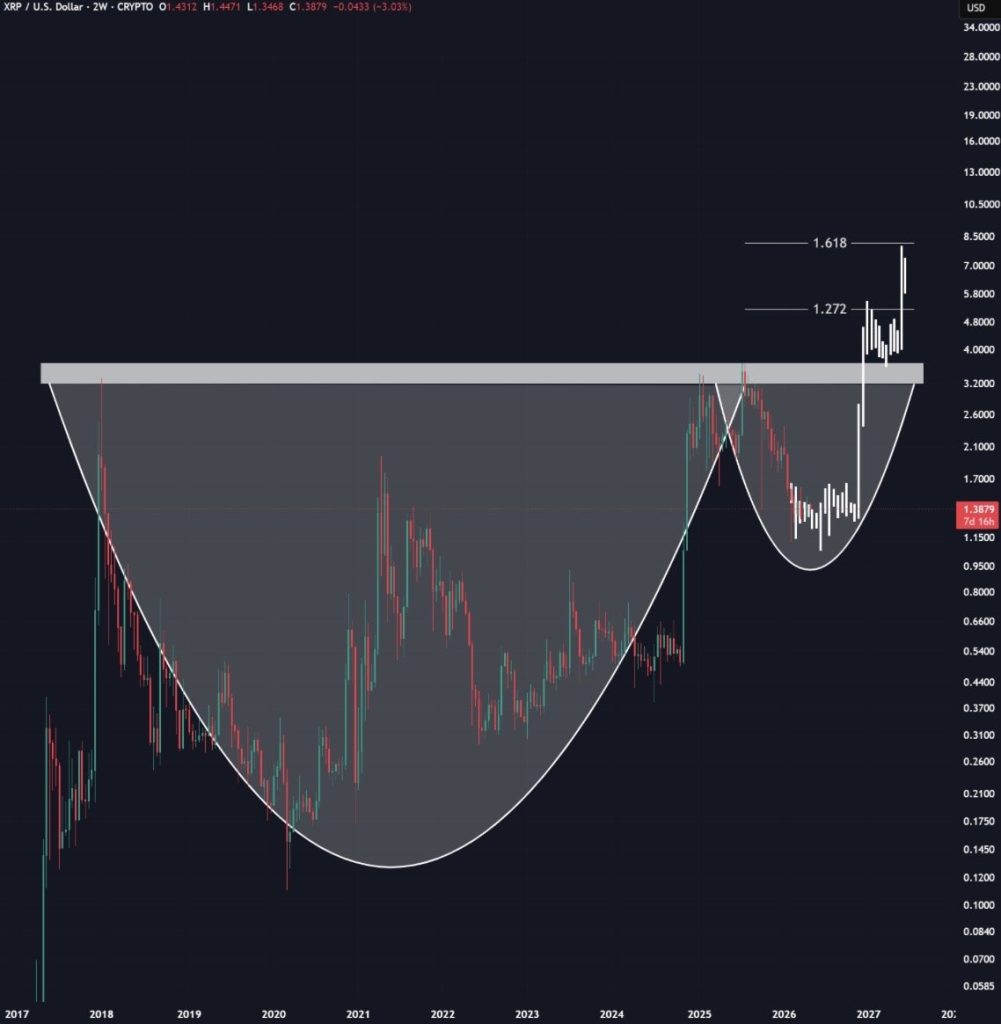
They Called XRP Dead, But These Charts Say Otherwise

Top 6 Crypto PR Agencies for AI and Agentic Web3 Projects in 2026