[Rappler’s Best] Is it justice if delayed?
Recall what Rodrigo Duterte, now languishing in The Hague, could do at the height of his power from 2016 to 2022. He could fire an official of the Office of the Ombudsman, a constitutional body, even if the Supreme Court (SC) had ruled that a president had no power to do so.
We got a bitter reminder of this last week, when the SC released its verdict that voided Duterte’s firing of Arthur Carandang as overall deputy ombudsman back then.
Carandang upset Duterte when his office, in 2017, acted on a complaint filed by then-senator Antonio Trillanes IV that the Dutertes had undeclared billion-peso bank deposits. Carandang went to the extent of telling the media that the bank records shown by Trillanes to them seemed similar to what he had seen from the records submitted by the Anti-Money Laundering Council (AMLC).
Duterte fumed. “Carandang, magdasal ka lang…. Pagka nagkaletse-letse ang Pilipinas, uunahin kita.” (Carandang, just pray. If the Philippines ends up in shambles, I’ll go after you first.)
- Duterte’s allies then filed a complaint against Carandang with the Ombudsman.
- In July 2018, Duterte ordered his suspension, but the ombudsman at the time, the fiercely independent Conchita Carpio-Morales, refused to heed it, citing precisely a previous SC ruling that prohibited a president from sacking someone like Carandang.
- When the pliant Samuel Martires took over the top post after Morales’ retirement, he did what pleased the man who appointed him: He kicked out Carandang, who went in June 2019 to the Court of Appeals (CA) to protest his relief.
- The CA sided with Carandang in 2021. But his seven-year fixed term at the ombudsman already ended in 2020. 🙁
- Fresh from his victory with Sara Duterte in the 2022 presidential race, President Ferdinand Marcos Jr.’s office appealed the CA decision, going all the way to the SC.
The High Tribunal finally rejected the President’s appeal in January this year (but which it made public only last week). It’s a vindication for Carandang and a victory for the independence of the ombudsman, as Jairo Bolledo points out in this story.
But why did it take this long? Why should justice come like a post-mortem, long after injustice has wounded and damaged people? In fact, what Duterte committed was an impeachable offense, as lawyers told Rappler in this 2018 story.
Imagine what Carandang — a competent, experienced, honest government lawyer — could have managed to uncover back then.
Then pause for a moment and imagine if the Marcoses and the Dutertes remained allies to this day and the AMLC would not have been compelled, as it was last week, to confirm the mind-boggling transactions of the Dutertes.
Filipinos could not be blamed for believing that justice is constantly hostaged by politics, by where the winds blow.
- None of the top officials implicated in the flood control corruption scandal are in jail. Where is Zaldy Co, for instance? Marcos asked the Czech and French envoys about it, and here’s the tea.
- The Senate blue ribbon committee, which spent eight months investigating the scandal, has yet to release its report because only six senators have signed off on it — short of the nine signatures required for filing and sponsorship. Read more about it here.
Yet, power must be held to account.
- A group of health workers filed a graft and administrative complaint with the Ombudsman against Health Undersecretary Glenn Mathew Baggao over an alleged conflict of interest involving a construction firm owned by his brother, which Rappler’s James Patrick Cruz investigated in this story.
- In a unanimous vote, the House committee on justice found probable cause to impeach Vice President Duterte. Dwight de Leon tells us what happens next.
Meanwhile, journalists all over the world celebrated World Press Freedom Day yesterday, May 3. I watched The Devil Wears Prada; the opening scene gives a peek into our woes — an ecosystem that is atomizing our journalism, splintering our communities, and killing our business.
In a joint statement, newsrooms in the Philippines and in Southeast Asia raised the alarm over the adverse impact of AI on journalism, facts, and democracy.
The AI slop continues. Rappler is holding a new AI masterclass to help you, your colleagues, and your friends make sense of it. Check the schedule and other details here.
Here are some of Rappler’s bests that you shouldn’t miss:
Lian Buan probes into two properties in Leyte that are linked to former speaker and presidential cousin Martin Romualdez: the Tropics Hotel and the Tacloban Golf and Country Club.
Ross Tugade asks, where are the findings of the Commission on Human Rights in its red-tagging investigation?
Shay Du explains how our current minimum wage system works.
Mark Hertsgaard says there’s hope in the climate crisis: a critical mass of countries begins mapping a fossil fuel phaseout.

Opposition builds vs Razon-Pacquiao power venture in Soccsksargen
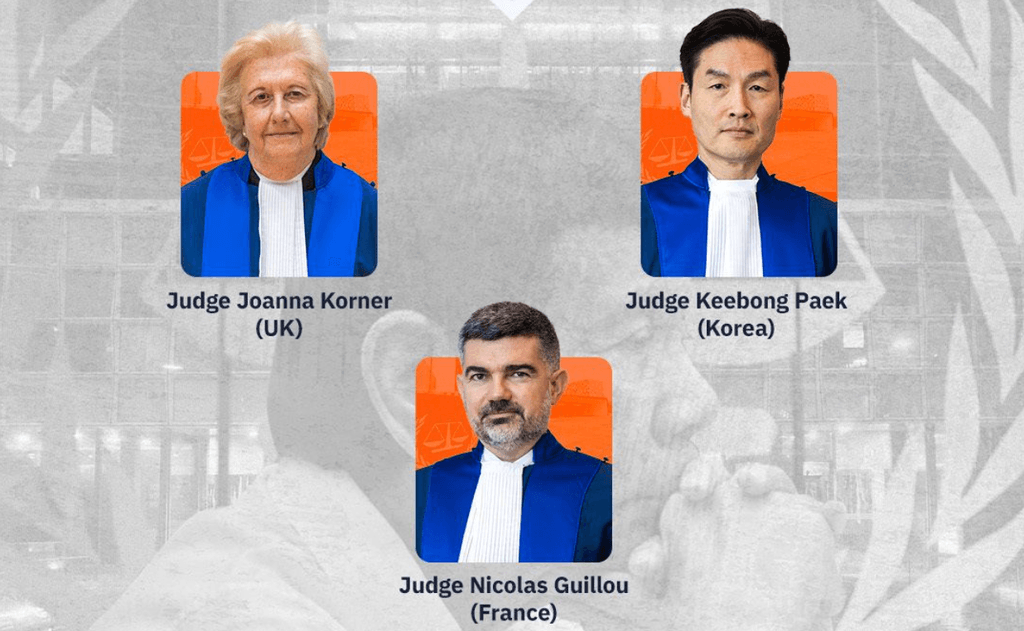
Who are the judges in Rodrigo Duterte’s ICC trial?

Facebook and Instagram must do more to block under-13s, EU warns in Meta charges

Hindi Ito Marites: What makes a country happy?

[OPINION] Misdirected blame: Why the poor aren’t the problem
– Rappler.com
Rappler’s Best is a weekly Rappler+ exclusive newsletter of our top picks delivered straight to your inbox every Monday. Visit rappler.com/newsletters to subscribe.
The views expressed by the writer are his/her own and do not necessarily reflect the views or positions of Rappler.


You May Also Like

Luxor Ships Commander Software to Optimize Bitcoin Mining Fleet Profitability – News Bytes Bitcoin News
MEXC Launches Mezo (MEZO) Airdrop+ Event with $50,000 in MEZO and 15,000 USDT in Rewards