

Australia’s Trade Balance Swings to Surprise Deficit in March
BitcoinWorld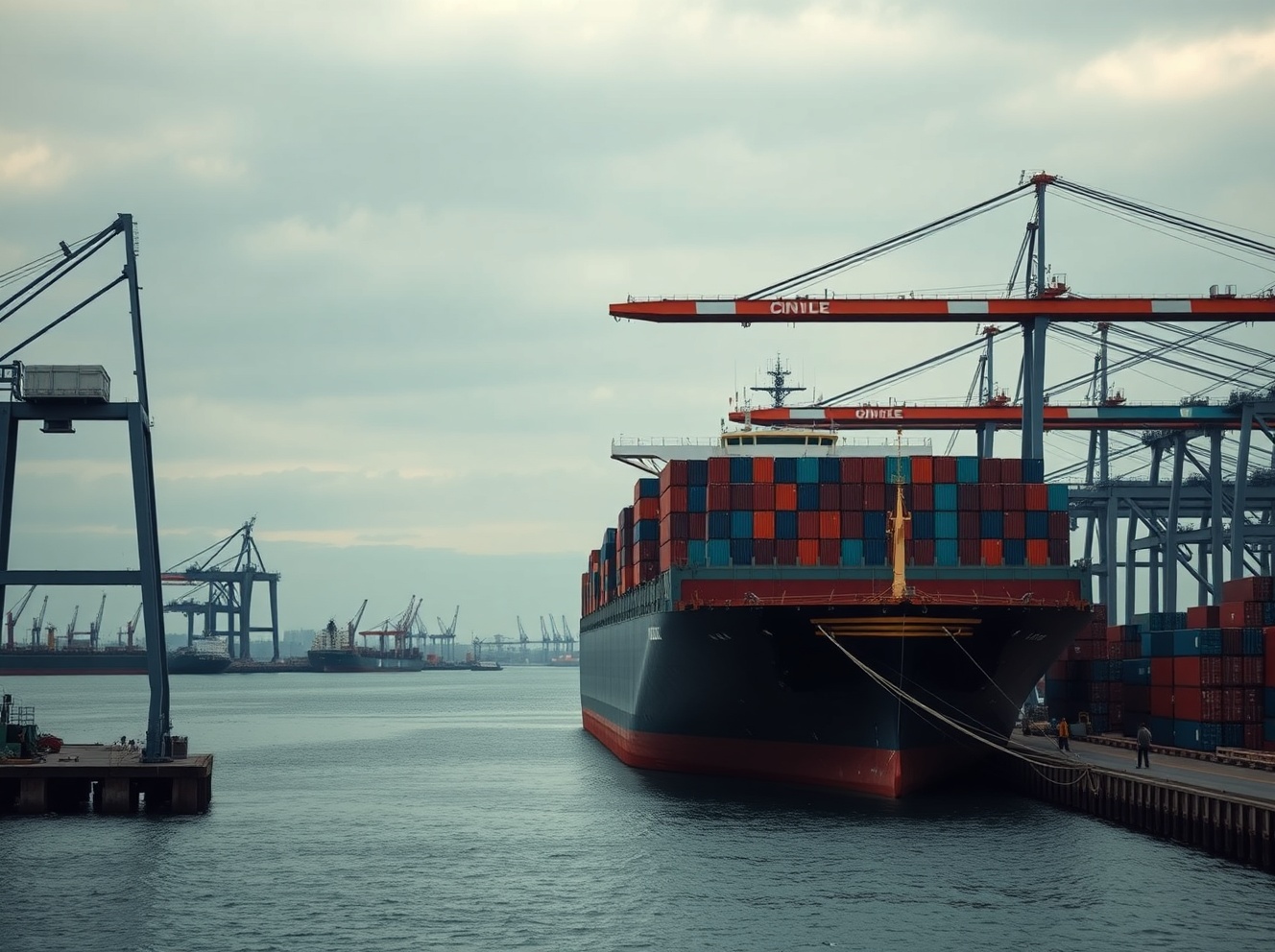
Australia’s Trade Balance Swings to Surprise Deficit in March
Australia’s trade balance recorded an unexpected deficit of A$1,841 million in March 2025, according to preliminary data released by the Australian Bureau of Statistics. The result marks a sharp reversal from the A$2,958 million surplus recorded in February and caught most market economists off guard, as consensus forecasts had anticipated a smaller surplus of around A$500 million.
What drove the deficit?
The swing into deficit was driven by a combination of weakening export values and a notable uptick in imports. Exports fell 8.5% month-on-month, led by declines in iron ore and coal shipments, which together account for a significant share of Australia’s export revenue. Lower commodity prices and reduced demand from key trading partners, particularly China, contributed to the drop. Meanwhile, imports rose 4.2%, fueled by increased purchases of machinery, electronics, and consumer goods, reflecting resilient domestic demand despite elevated interest rates.
Market and economic implications
The surprise deficit has immediate implications for Australia’s current account balance and the Australian dollar, which weakened against the US dollar following the release. Economists at several major banks revised their first-quarter GDP growth forecasts downward, as net exports are now expected to subtract from growth rather than contribute. The Reserve Bank of Australia (RBA) will also take note, as the weaker trade data adds to the case for holding the cash rate steady at its next meeting, given ongoing inflation concerns.
What this means for businesses and consumers
For Australian exporters, particularly in the resources sector, the data signals a period of softer external demand. Importers, however, may benefit from a slightly weaker Australian dollar making their goods more competitive domestically. Consumers could see higher prices on imported goods if the currency depreciation persists. The broader economic narrative remains one of transition, as Australia’s economy adjusts to slower Chinese growth and global trade fragmentation.
Conclusion
Australia’s March trade deficit is a notable deviation from the sustained surpluses seen over the past several years. While a single month does not constitute a trend, the data underscores the vulnerability of Australia’s trade position to commodity price swings and shifting global demand. The ABS will release revised figures in the coming weeks, but for now, the surprise deficit has injected fresh uncertainty into the economic outlook.
FAQs
Q1: What is Australia’s trade balance?
Australia’s trade balance measures the difference between the value of its exports and imports. A surplus means exports exceed imports; a deficit means imports exceed exports.
Q2: Why did the trade balance swing to a deficit in March 2025?
The deficit was primarily caused by a sharp decline in export values, especially iron ore and coal, combined with a rise in imports of machinery and consumer goods.
Q3: How might this affect the Australian dollar and interest rates?
The weaker trade data put downward pressure on the Australian dollar and may reinforce the RBA’s decision to keep interest rates unchanged, as it balances inflation against slowing economic momentum.
This post Australia’s Trade Balance Swings to Surprise Deficit in March first appeared on BitcoinWorld.


You May Also Like

Crypto Hack: Drift Protocol Drained Over $200M in Private Key Breach

MarsCat Joins Forces with Memo to Drive Web3 Data Insights and User-Friendly Experiences

Bitget Launches Stock+, Letting Crypto Holders Own Real US Shares



