BitcoinWorld UXLINK Hacker Executes Massive 1,620 ETH for 6.73M DAI Swap The cryptocurrency world is always dynamic, often witnessing rapid shifts and, unfortunately, sometimes security incidents. Recently, a significant event unfolded that has caught the attention of many: a UXLINK hacker executed a substantial swap. This incident serves as a stark reminder of the constant vigilance required in the digital asset space. What Did the UXLINK Hacker Do Exactly? About two hours ago, a notable transaction occurred involving the UXLINK platform. As reported by blockchain analytics firm Lookonchain, the UXLINK hacker successfully swapped 1,620 ETH for a staggering 6.73 million DAI. This move highlights a deliberate strategy, converting a volatile asset like Ethereum into a stablecoin. Ethereum (ETH) is the native cryptocurrency of the Ethereum blockchain, known for its smart contract capabilities and significant market capitalization. DAI, on the other hand, is a decentralized stablecoin pegged to the US dollar, meaning its value aims to remain consistently around $1. Why Convert to DAI? The UXLINK Hacker’s Strategy You might wonder why a hacker would convert ETH, a valuable and widely recognized cryptocurrency, into DAI. There are several strategic reasons behind such a move, often aimed at minimizing risk and facilitating subsequent actions. Stability: ETH’s price can fluctuate wildly. By converting to DAI, the UXLINK hacker locks in the value of their ill-gotten gains, protecting them from potential market downturns. Reduced Volatility Risk: Holding a large amount of ETH carries significant price risk. DAI offers a safe haven, ensuring the value of the stolen funds remains relatively constant. Easier Off-Ramping: Stablecoins like DAI can sometimes be easier to liquidate or move across different platforms without drawing immediate attention, compared to large, sudden sales of ETH. Obfuscation: While blockchain transactions are transparent, converting between different assets can add layers to tracing the funds, making it more complex for investigators. This strategic conversion indicates a calculated approach by the hacker, prioritizing asset preservation and potential ease of movement over speculative gains. The Broader Ripple Effect of a UXLINK Hacker Incident Any security breach, especially one involving a significant amount of funds, sends ripples through the affected project and the wider crypto ecosystem. For UXLINK, this incident undoubtedly raises questions about platform security and user trust. Such events can impact a project’s reputation and potentially its token price, even if the funds are eventually recovered or traced. Moreover, these incidents serve as a sobering reminder for the entire crypto community about the persistent threats from malicious actors. They underscore the critical importance of robust security measures, continuous audits, and swift response protocols for all blockchain projects. The actions of the UXLINK hacker reinforce the need for constant vigilance. Safeguarding Your Assets Against UXLINK Hacker Threats In an environment where sophisticated attacks are a reality, what can individuals and projects do to protect themselves? Vigilance and proactive security measures are your best defense. For Individuals: Enable Two-Factor Authentication (2FA): Always use 2FA on all your crypto accounts and exchanges. Use Strong, Unique Passwords: Never reuse passwords, and ensure they are complex. Consider Cold Storage: For significant holdings, hardware wallets (cold storage) offer superior security compared to online exchanges. Be Wary of Phishing: Always double-check URLs and never click suspicious links or download attachments from unknown sources. Stay Informed: Keep up-to-date with security news and best practices in the crypto space. For Projects: Regular Security Audits: Conduct frequent and thorough audits of smart contracts and infrastructure by reputable firms. Bug Bounty Programs: Encourage ethical hackers to find vulnerabilities before malicious actors do. Multi-Signature Wallets: Implement multi-sig for treasury and critical funds. Incident Response Plan: Have a clear and tested plan for responding to security breaches. The recent action by the UXLINK hacker to swap 1,620 ETH for 6.73 million DAI is a stark reminder of the ongoing security challenges within the cryptocurrency world. While such incidents can be unsettling, they also highlight the importance of continuous innovation in security and the need for both platforms and users to remain hyper-vigilant. Understanding these events helps us better prepare and protect our digital assets in an ever-evolving landscape. Stay safe, stay informed, and always prioritize your digital security. Frequently Asked Questions (FAQs) What is UXLINK? UXLINK is a Web3 social platform and infrastructure that aims to connect users through social networks, enabling them to discover, interact, and trade crypto assets. It focuses on socialized asset issuance and trading. What is DAI? DAI is a decentralized stablecoin that is soft-pegged to the US dollar. It is created and governed by the Maker Protocol and the MakerDAO decentralized autonomous organization (DAO), aiming to maintain a stable value of approximately $1. Why are crypto hacks concerning for the broader market? Crypto hacks raise concerns about the security and reliability of blockchain platforms, which can erode investor confidence, lead to increased regulatory scrutiny, and potentially cause market volatility. They underscore the need for continuous security improvements. How can I secure my cryptocurrency assets? To secure your crypto, use strong, unique passwords, enable two-factor authentication (2FA), consider hardware wallets for significant holdings, be wary of phishing scams, and only use reputable exchanges and platforms. Always research projects thoroughly before investing. What steps do crypto projects take to prevent hacks? Crypto projects typically employ several security measures, including regular smart contract audits by third-party firms, implementing bug bounty programs, utilizing multi-signature wallets for critical funds, and developing robust incident response plans to mitigate risks. To learn more about the latest crypto market trends, explore our article on key developments shaping Ethereum price action. This post UXLINK Hacker Executes Massive 1,620 ETH for 6.73M DAI Swap first appeared on BitcoinWorld.BitcoinWorld UXLINK Hacker Executes Massive 1,620 ETH for 6.73M DAI Swap The cryptocurrency world is always dynamic, often witnessing rapid shifts and, unfortunately, sometimes security incidents. Recently, a significant event unfolded that has caught the attention of many: a UXLINK hacker executed a substantial swap. This incident serves as a stark reminder of the constant vigilance required in the digital asset space. What Did the UXLINK Hacker Do Exactly? About two hours ago, a notable transaction occurred involving the UXLINK platform. As reported by blockchain analytics firm Lookonchain, the UXLINK hacker successfully swapped 1,620 ETH for a staggering 6.73 million DAI. This move highlights a deliberate strategy, converting a volatile asset like Ethereum into a stablecoin. Ethereum (ETH) is the native cryptocurrency of the Ethereum blockchain, known for its smart contract capabilities and significant market capitalization. DAI, on the other hand, is a decentralized stablecoin pegged to the US dollar, meaning its value aims to remain consistently around $1. Why Convert to DAI? The UXLINK Hacker’s Strategy You might wonder why a hacker would convert ETH, a valuable and widely recognized cryptocurrency, into DAI. There are several strategic reasons behind such a move, often aimed at minimizing risk and facilitating subsequent actions. Stability: ETH’s price can fluctuate wildly. By converting to DAI, the UXLINK hacker locks in the value of their ill-gotten gains, protecting them from potential market downturns. Reduced Volatility Risk: Holding a large amount of ETH carries significant price risk. DAI offers a safe haven, ensuring the value of the stolen funds remains relatively constant. Easier Off-Ramping: Stablecoins like DAI can sometimes be easier to liquidate or move across different platforms without drawing immediate attention, compared to large, sudden sales of ETH. Obfuscation: While blockchain transactions are transparent, converting between different assets can add layers to tracing the funds, making it more complex for investigators. This strategic conversion indicates a calculated approach by the hacker, prioritizing asset preservation and potential ease of movement over speculative gains. The Broader Ripple Effect of a UXLINK Hacker Incident Any security breach, especially one involving a significant amount of funds, sends ripples through the affected project and the wider crypto ecosystem. For UXLINK, this incident undoubtedly raises questions about platform security and user trust. Such events can impact a project’s reputation and potentially its token price, even if the funds are eventually recovered or traced. Moreover, these incidents serve as a sobering reminder for the entire crypto community about the persistent threats from malicious actors. They underscore the critical importance of robust security measures, continuous audits, and swift response protocols for all blockchain projects. The actions of the UXLINK hacker reinforce the need for constant vigilance. Safeguarding Your Assets Against UXLINK Hacker Threats In an environment where sophisticated attacks are a reality, what can individuals and projects do to protect themselves? Vigilance and proactive security measures are your best defense. For Individuals: Enable Two-Factor Authentication (2FA): Always use 2FA on all your crypto accounts and exchanges. Use Strong, Unique Passwords: Never reuse passwords, and ensure they are complex. Consider Cold Storage: For significant holdings, hardware wallets (cold storage) offer superior security compared to online exchanges. Be Wary of Phishing: Always double-check URLs and never click suspicious links or download attachments from unknown sources. Stay Informed: Keep up-to-date with security news and best practices in the crypto space. For Projects: Regular Security Audits: Conduct frequent and thorough audits of smart contracts and infrastructure by reputable firms. Bug Bounty Programs: Encourage ethical hackers to find vulnerabilities before malicious actors do. Multi-Signature Wallets: Implement multi-sig for treasury and critical funds. Incident Response Plan: Have a clear and tested plan for responding to security breaches. The recent action by the UXLINK hacker to swap 1,620 ETH for 6.73 million DAI is a stark reminder of the ongoing security challenges within the cryptocurrency world. While such incidents can be unsettling, they also highlight the importance of continuous innovation in security and the need for both platforms and users to remain hyper-vigilant. Understanding these events helps us better prepare and protect our digital assets in an ever-evolving landscape. Stay safe, stay informed, and always prioritize your digital security. Frequently Asked Questions (FAQs) What is UXLINK? UXLINK is a Web3 social platform and infrastructure that aims to connect users through social networks, enabling them to discover, interact, and trade crypto assets. It focuses on socialized asset issuance and trading. What is DAI? DAI is a decentralized stablecoin that is soft-pegged to the US dollar. It is created and governed by the Maker Protocol and the MakerDAO decentralized autonomous organization (DAO), aiming to maintain a stable value of approximately $1. Why are crypto hacks concerning for the broader market? Crypto hacks raise concerns about the security and reliability of blockchain platforms, which can erode investor confidence, lead to increased regulatory scrutiny, and potentially cause market volatility. They underscore the need for continuous security improvements. How can I secure my cryptocurrency assets? To secure your crypto, use strong, unique passwords, enable two-factor authentication (2FA), consider hardware wallets for significant holdings, be wary of phishing scams, and only use reputable exchanges and platforms. Always research projects thoroughly before investing. What steps do crypto projects take to prevent hacks? Crypto projects typically employ several security measures, including regular smart contract audits by third-party firms, implementing bug bounty programs, utilizing multi-signature wallets for critical funds, and developing robust incident response plans to mitigate risks. To learn more about the latest crypto market trends, explore our article on key developments shaping Ethereum price action. This post UXLINK Hacker Executes Massive 1,620 ETH for 6.73M DAI Swap first appeared on BitcoinWorld.

UXLINK Hacker Executes Massive 1,620 ETH for 6.73M DAI Swap

BitcoinWorld
UXLINK Hacker Executes Massive 1,620 ETH for 6.73M DAI Swap

The cryptocurrency world is always dynamic, often witnessing rapid shifts and, unfortunately, sometimes security incidents. Recently, a significant event unfolded that has caught the attention of many: a UXLINK hacker executed a substantial swap. This incident serves as a stark reminder of the constant vigilance required in the digital asset space.

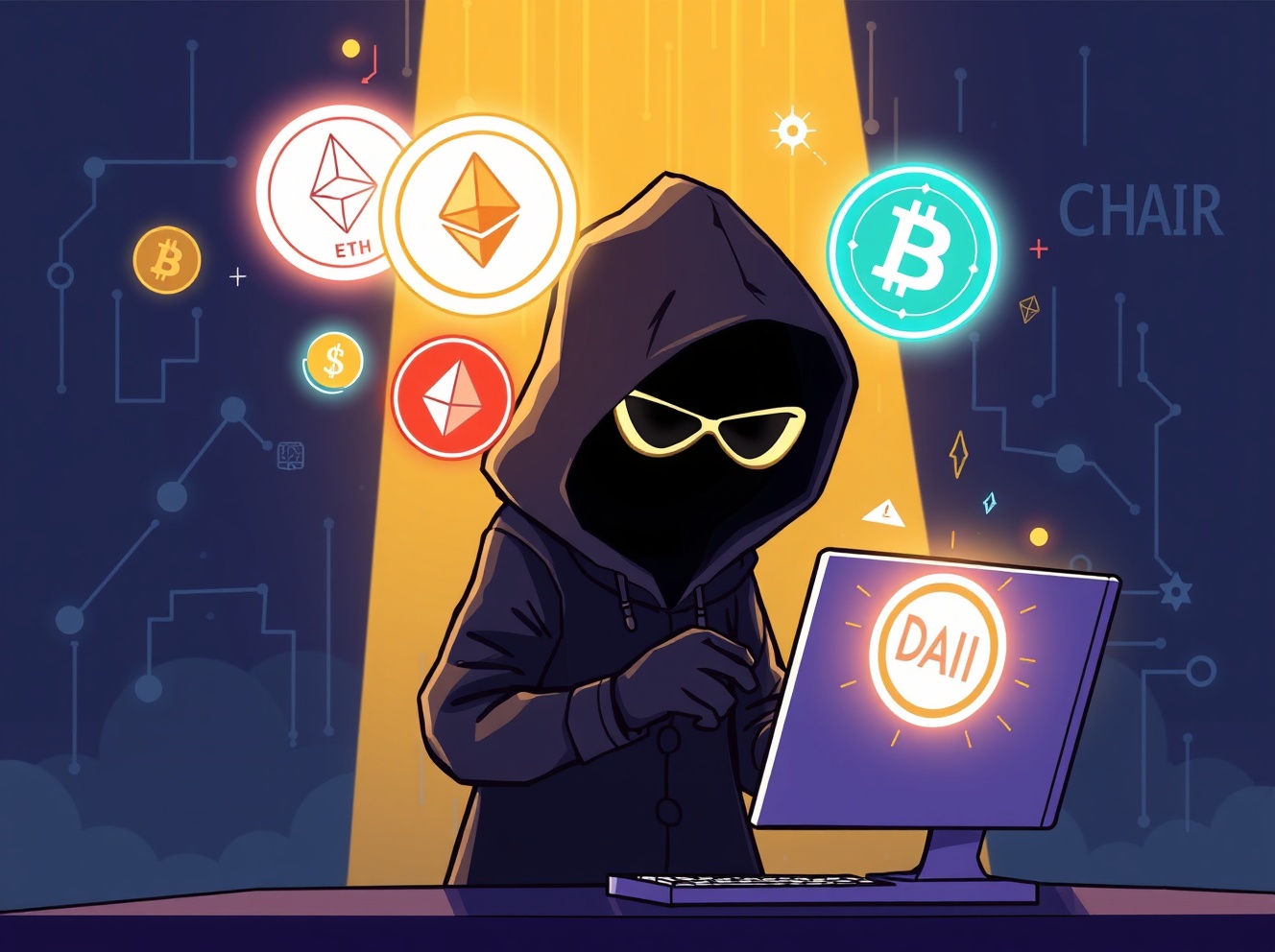
About two hours ago, a notable transaction occurred involving the UXLINK platform. As reported by blockchain analytics firm Lookonchain, the UXLINK hacker successfully swapped 1,620 ETH for a staggering 6.73 million DAI. This move highlights a deliberate strategy, converting a volatile asset like Ethereum into a stablecoin.

Ethereum (ETH) is the native cryptocurrency of the Ethereum blockchain, known for its smart contract capabilities and significant market capitalization. DAI, on the other hand, is a decentralized stablecoin pegged to the US dollar, meaning its value aims to remain consistently around $1.

You might wonder why a hacker would convert ETH, a valuable and widely recognized cryptocurrency, into DAI. There are several strategic reasons behind such a move, often aimed at minimizing risk and facilitating subsequent actions.

  • Stability: ETH’s price can fluctuate wildly. By converting to DAI, the UXLINK hacker locks in the value of their ill-gotten gains, protecting them from potential market downturns.
  • Reduced Volatility Risk: Holding a large amount of ETH carries significant price risk. DAI offers a safe haven, ensuring the value of the stolen funds remains relatively constant.
  • Easier Off-Ramping: Stablecoins like DAI can sometimes be easier to liquidate or move across different platforms without drawing immediate attention, compared to large, sudden sales of ETH.
  • Obfuscation: While blockchain transactions are transparent, converting between different assets can add layers to tracing the funds, making it more complex for investigators.

This strategic conversion indicates a calculated approach by the hacker, prioritizing asset preservation and potential ease of movement over speculative gains.

Any security breach, especially one involving a significant amount of funds, sends ripples through the affected project and the wider crypto ecosystem. For UXLINK, this incident undoubtedly raises questions about platform security and user trust. Such events can impact a project’s reputation and potentially its token price, even if the funds are eventually recovered or traced.

Moreover, these incidents serve as a sobering reminder for the entire crypto community about the persistent threats from malicious actors. They underscore the critical importance of robust security measures, continuous audits, and swift response protocols for all blockchain projects. The actions of the UXLINK hacker reinforce the need for constant vigilance.

In an environment where sophisticated attacks are a reality, what can individuals and projects do to protect themselves? Vigilance and proactive security measures are your best defense.

For Individuals:

  • Enable Two-Factor Authentication (2FA): Always use 2FA on all your crypto accounts and exchanges.
  • Use Strong, Unique Passwords: Never reuse passwords, and ensure they are complex.
  • Consider Cold Storage: For significant holdings, hardware wallets (cold storage) offer superior security compared to online exchanges.
  • Be Wary of Phishing: Always double-check URLs and never click suspicious links or download attachments from unknown sources.
  • Stay Informed: Keep up-to-date with security news and best practices in the crypto space.

For Projects:

  • Regular Security Audits: Conduct frequent and thorough audits of smart contracts and infrastructure by reputable firms.
  • Bug Bounty Programs: Encourage ethical hackers to find vulnerabilities before malicious actors do.
  • Multi-Signature Wallets: Implement multi-sig for treasury and critical funds.
  • Incident Response Plan: Have a clear and tested plan for responding to security breaches.

The recent action by the UXLINK hacker to swap 1,620 ETH for 6.73 million DAI is a stark reminder of the ongoing security challenges within the cryptocurrency world. While such incidents can be unsettling, they also highlight the importance of continuous innovation in security and the need for both platforms and users to remain hyper-vigilant. Understanding these events helps us better prepare and protect our digital assets in an ever-evolving landscape. Stay safe, stay informed, and always prioritize your digital security.

Frequently Asked Questions (FAQs)

UXLINK is a Web3 social platform and infrastructure that aims to connect users through social networks, enabling them to discover, interact, and trade crypto assets. It focuses on socialized asset issuance and trading.

What is DAI?

DAI is a decentralized stablecoin that is soft-pegged to the US dollar. It is created and governed by the Maker Protocol and the MakerDAO decentralized autonomous organization (DAO), aiming to maintain a stable value of approximately $1.

Why are crypto hacks concerning for the broader market?

Crypto hacks raise concerns about the security and reliability of blockchain platforms, which can erode investor confidence, lead to increased regulatory scrutiny, and potentially cause market volatility. They underscore the need for continuous security improvements.

How can I secure my cryptocurrency assets?

To secure your crypto, use strong, unique passwords, enable two-factor authentication (2FA), consider hardware wallets for significant holdings, be wary of phishing scams, and only use reputable exchanges and platforms. Always research projects thoroughly before investing.

What steps do crypto projects take to prevent hacks?

Crypto projects typically employ several security measures, including regular smart contract audits by third-party firms, implementing bug bounty programs, utilizing multi-signature wallets for critical funds, and developing robust incident response plans to mitigate risks.

To learn more about the latest crypto market trends, explore our article on key developments shaping Ethereum price action.

This post UXLINK Hacker Executes Massive 1,620 ETH for 6.73M DAI Swap first appeared on BitcoinWorld.

Market Opportunity
Brainedge Logo
Brainedge Price(LEARN)
$0.0087
$0.0087$0.0087
0.00%
USD
Brainedge (LEARN) Live Price Chart
Disclaimer: The articles reposted on this site are sourced from public platforms and are provided for informational purposes only. They do not necessarily reflect the views of MEXC. All rights remain with the original authors. If you believe any content infringes on third-party rights, please contact service@support.mexc.com for removal. MEXC makes no guarantees regarding the accuracy, completeness, or timeliness of the content and is not responsible for any actions taken based on the information provided. The content does not constitute financial, legal, or other professional advice, nor should it be considered a recommendation or endorsement by MEXC.

You May Also Like

The Channel Factories We’ve Been Waiting For

The Channel Factories We’ve Been Waiting For

The post The Channel Factories We’ve Been Waiting For appeared on BitcoinEthereumNews.com. Visions of future technology are often prescient about the broad strokes while flubbing the details. The tablets in “2001: A Space Odyssey” do indeed look like iPads, but you never see the astronauts paying for subscriptions or wasting hours on Candy Crush.  Channel factories are one vision that arose early in the history of the Lightning Network to address some challenges that Lightning has faced from the beginning. Despite having grown to become Bitcoin’s most successful layer-2 scaling solution, with instant and low-fee payments, Lightning’s scale is limited by its reliance on payment channels. Although Lightning shifts most transactions off-chain, each payment channel still requires an on-chain transaction to open and (usually) another to close. As adoption grows, pressure on the blockchain grows with it. The need for a more scalable approach to managing channels is clear. Channel factories were supposed to meet this need, but where are they? In 2025, subnetworks are emerging that revive the impetus of channel factories with some new details that vastly increase their potential. They are natively interoperable with Lightning and achieve greater scale by allowing a group of participants to open a shared multisig UTXO and create multiple bilateral channels, which reduces the number of on-chain transactions and improves capital efficiency. Achieving greater scale by reducing complexity, Ark and Spark perform the same function as traditional channel factories with new designs and additional capabilities based on shared UTXOs.  Channel Factories 101 Channel factories have been around since the inception of Lightning. A factory is a multiparty contract where multiple users (not just two, as in a Dryja-Poon channel) cooperatively lock funds in a single multisig UTXO. They can open, close and update channels off-chain without updating the blockchain for each operation. Only when participants leave or the factory dissolves is an on-chain transaction…
Share
BitcoinEthereumNews2025/09/18 00:09
‘KPop Demon Hunters’ Gets ‘Golden’ Ticket With 2 Nominations

‘KPop Demon Hunters’ Gets ‘Golden’ Ticket With 2 Nominations

The post ‘KPop Demon Hunters’ Gets ‘Golden’ Ticket With 2 Nominations appeared on BitcoinEthereumNews.com. Mira (voice of May Hong), Rumi (Arden Cho) and Zoey (
Share
BitcoinEthereumNews2026/01/22 23:28
Tron Founder Justin Sun Invests $8M in River’s Stablecoin Abstraction Technology

Tron Founder Justin Sun Invests $8M in River’s Stablecoin Abstraction Technology

Justin Sun commits $8 million to River for stablecoin abstraction deployment across Tron ecosystem, including SUN pools and JustLend integration, as RIVER token
Share
Coinstats2026/01/22 22:59