

Dow Jones Futures Edge Higher as Middle East Tensions Show Signs of Easing
BitcoinWorld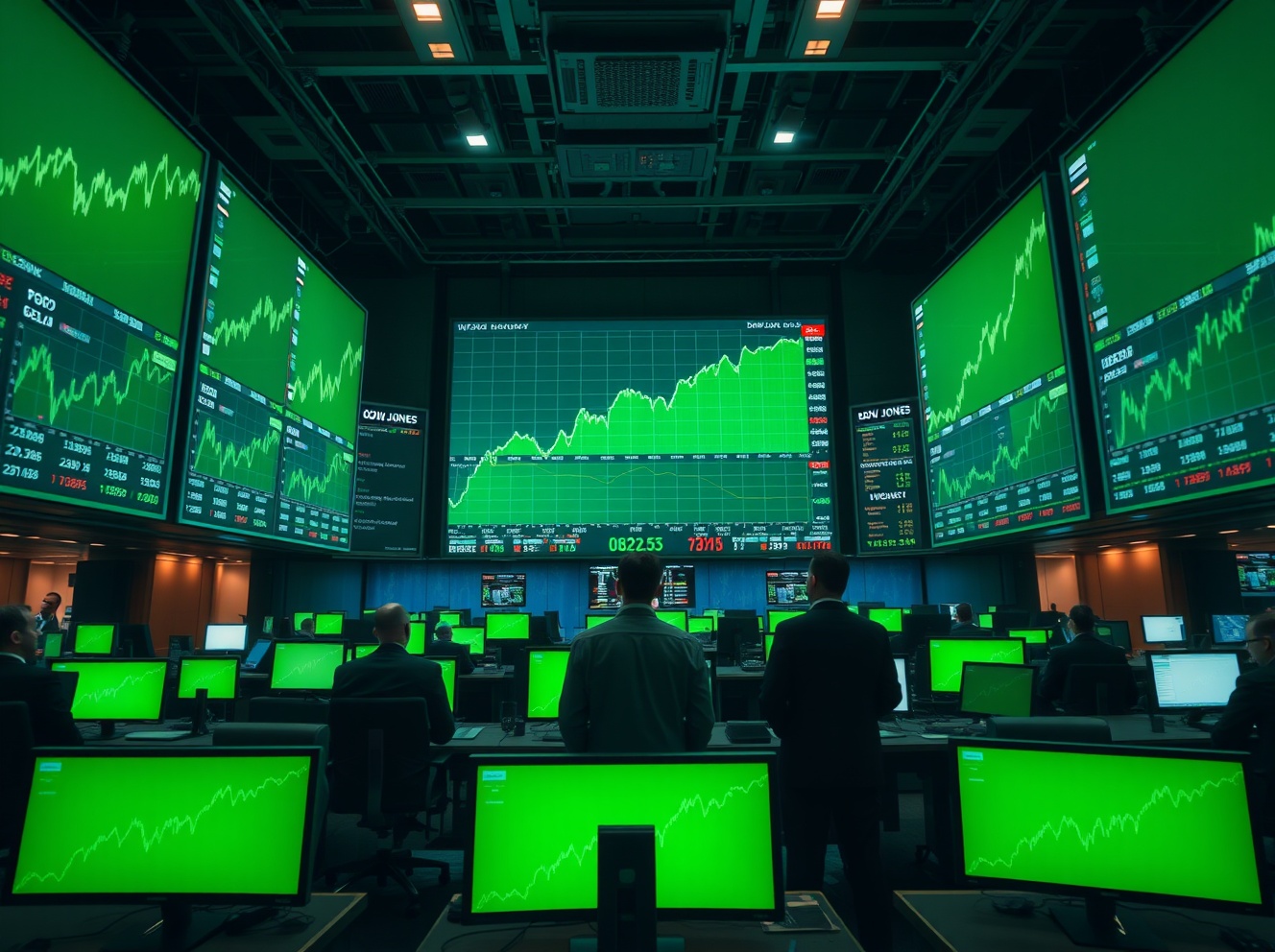
Dow Jones Futures Edge Higher as Middle East Tensions Show Signs of Easing
Dow Jones futures rose in early trading on Monday, as signals of de-escalation in the Middle East prompted a cautious return to risk assets. The move comes after a period of heightened geopolitical uncertainty that had weighed on global equity markets late last week.
Market Reaction to Geopolitical Developments
Futures contracts tied to the Dow Jones Industrial Average gained roughly 0.3% in pre-market activity, while S&P 500 and Nasdaq 100 futures also posted modest advances. The uptick followed reports suggesting diplomatic channels were showing progress in reducing hostilities between key regional players, though no formal ceasefire has been announced.
Investors have been closely monitoring the situation since late last week, when a series of military exchanges sent crude oil prices spiking and triggered a flight to safe-haven assets such as gold and U.S. Treasuries. The prospect of a broader conflict had raised concerns about supply disruptions in energy markets and broader economic instability.
Oil Prices and Safe-Haven Flows
Brent crude, the international benchmark, retreated approximately 1.5% in early trading, reflecting the easing of immediate supply fears. West Texas Intermediate (WTI) followed a similar path. Gold, which had surged to multi-week highs during the peak of the tensions, also edged lower as risk appetite partially returned.
The yield on the 10-year U.S. Treasury note, which had fallen as investors sought safety, stabilized near 4.25%. Currency markets saw the U.S. dollar give back some of its recent gains against the euro and yen, another sign that the immediate geopolitical premium was being priced out.
What This Means for Investors
The reaction underscores how sensitive financial markets remain to geopolitical headlines. While the de-escalation narrative is encouraging, analysts caution that the situation remains fluid. A sudden reversal could quickly reignite volatility, particularly in energy and defense-related stocks.
For long-term investors, the key takeaway is the importance of maintaining diversified portfolios that can withstand periodic geopolitical shocks. Sectors such as energy, aerospace, and cybersecurity have historically benefited from heightened tensions, while consumer discretionary and travel stocks tend to face headwinds.
Broader Market Context
Beyond geopolitics, traders are also looking ahead to a busy week of economic data, including the latest reading on U.S. consumer confidence and a revised estimate of fourth-quarter GDP. Earnings season continues, with several major retailers and technology companies scheduled to report results.
The Federal Reserve’s next policy meeting remains a focal point. Recent comments from Fed officials have reinforced expectations that interest rates will remain higher for longer, a factor that continues to influence equity valuations and sector rotation.
Conclusion
The rise in Dow Jones futures reflects a market that is relieved by signs of de-escalation but remains cautious. Investors are balancing the potential for further diplomatic progress against the risk of renewed conflict. The coming days will be critical in determining whether this is a temporary reprieve or the beginning of a sustained reduction in geopolitical risk.
FAQs
Q1: Why do stock futures rise when geopolitical tensions de-escalate?
Investors typically view reduced conflict as lowering the risk of economic disruption, supply chain interruptions, and energy price spikes. This encourages buying in risk assets like stocks, pushing futures higher.
Q2: How do Middle East tensions specifically affect the Dow Jones?
The Dow Jones includes companies sensitive to energy costs (e.g., Chevron, ExxonMobil) and global trade (e.g., Boeing, Caterpillar). Rising tensions often increase volatility in these sectors, while de-escalation tends to stabilize or boost them.
Q3: Should retail investors change their portfolios based on short-term geopolitical events?
Financial advisors generally recommend against making drastic changes based on short-term news. Instead, maintaining a diversified portfolio aligned with long-term goals is considered a more prudent strategy.
This post Dow Jones Futures Edge Higher as Middle East Tensions Show Signs of Easing first appeared on BitcoinWorld.


You May Also Like

XRP ETF Holdings Unveiled By $5 Trillion Asset Manager UBS: A Tale Spanning Nine Years
Alex Jones says Trump UFO files a 'psyop to screw with everybody’s brains'




