Coinbase Posts $394 Million Net Loss as Q1 Revenue Drops 31%
- Coinbase reported a net loss of about $394 million in the first quarter of 2026, reversing from a $66 million profit a year earlier.
- Revenue fell 31% year-over-year to $1.41 billion as weaker token prices reduced trading activity across crypto markets.
Coinbase started 2026 on the back foot. The U.S. crypto exchange reported a net loss of roughly $394 million in the first quarter, compared with net income of $66 million in the same period last year. For a company still closely tied to market sentiment, the numbers were a blunt reminder that lower crypto prices do not just hurt traders. They also hit the platforms built around them.
Lower trading appetite cuts into Coinbase’s main engine
Revenue fell 31% from a year earlier to $1.41 billion. That came after a 20% decline in the previous quarter, so this was not a one-off wobble. It pointed to a broader slowdown in trading activity as falling token prices drained some of the energy from digital asset markets.
The pressure is especially important for Coinbase because trading fees remain central to its business model. The company has spent the past several years building out subscription and services revenue, including custody, staking, interest income and institutional products. That shift matters. But when spot activity cools and retail traders step back, Coinbase still feels it quickly.
There is also an accounting layer here that can make the headline loss look sharper. The quarterly result reflected unrealized gains and losses tied to Coinbase’s crypto holdings and investments. In plain terms, the value of assets on the balance sheet can move with the market, and those movements can swing reported earnings even before anything is sold.
That does not make the loss irrelevant. It simply shows how exposed a crypto-native public company remains to price movements, trading volumes and investor risk appetite. Coinbase shares, already down around 15% since December, edged lower in after-hours trading after the results.
Cost cuts arrive as traditional finance moves closer
The weaker quarter lands at an awkward moment. Coinbase is preparing to cut about 14% of its workforce, with restructuring costs expected to reach up to $60 million. That creates a short-term charge, but the bigger message is operational discipline. Management is trying to keep expenses under control while revenue remains heavily tied to market cycles.
Competition is also becoming less comfortable. Morgan Stanley has launched lower-fee crypto trading through its E*Trade platform, bringing crypto access closer to mainstream brokerage accounts. For many retail users, that kind of offer is easy to understand. Lower fees, familiar interface, one place for stocks and crypto.
For Coinbase, the defense is not just price. It has to lean on liquidity, regulatory positioning, asset coverage, security and its institutional infrastructure. That is a more complex pitch than simply being the easiest crypto app in the room.
The first-quarter report shows Coinbase in a familiar but still uncomfortable position. It is more mature than during earlier cycles, and its revenue base is broader. Yet the exchange is not fully insulated from the old crypto rhythm: when prices fall, trading slows, and the income statement starts to show it.
]]>

You May Also Like
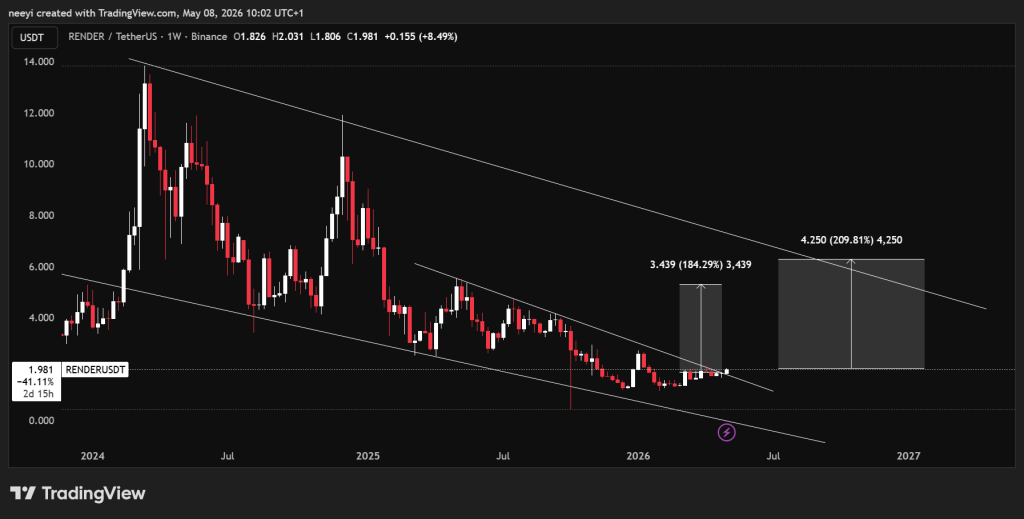
RENDER Price Prediction: How High Can It Go in 2026 After 80% Decline?

TAP, Inc. Launches TAP Pay, a Verified Payments Layer for Peer and SMB Payments