

Dollar Edges Higher as Hopes for Swift US-Iran Nuclear Deal Diminish
BitcoinWorld
Dollar Edges Higher as Hopes for Swift US-Iran Nuclear Deal Diminish
The US dollar inched higher against a basket of major currencies on Tuesday, as market expectations for a swift and comprehensive nuclear agreement between the United States and Iran continued to recede. Traders adjusted their positions, recalibrating the potential for a near-term easing of geopolitical tensions that had previously weighed on the greenback.
Renewed Skepticism on Diplomatic Timeline
Recent signals from diplomatic channels in Vienna and Washington have indicated that significant hurdles remain in the negotiations. While both sides have expressed a willingness to return to the 2015 Joint Comprehensive Plan of Action (JCPOA), key disagreements over sanctions relief, uranium enrichment levels, and regional missile programs have stalled progress. The fading prospect of an immediate deal has reduced the perceived likelihood of a sudden surge in Iranian oil exports, which had been a bearish factor for the dollar.
Market Implications: Oil and Safe-Haven Flows
The shift in sentiment provided a modest lift to the dollar index, which measures the currency against six major peers. A delayed or failed nuclear deal removes a key source of potential downward pressure on oil prices, as the market had been pricing in the possibility of additional Iranian crude supply. Consequently, crude oil futures edged higher on Tuesday, reinforcing the dollar’s safe-haven appeal. The greenback often benefits from heightened geopolitical uncertainty, as investors seek liquidity and stability.
Impact on Emerging Market Currencies
The dollar’s strength was particularly felt in emerging market currencies, which had rallied in recent weeks on the back of optimism surrounding a potential detente. The Turkish lira, the South African rand, and the Indian rupee all softened against the dollar. Analysts caution that the current environment remains highly fluid, with any positive breakthrough in talks likely to reverse these moves quickly.
Conclusion
The dollar’s marginal gain reflects a market that is recalibrating its expectations for US-Iran relations. While the path to a deal remains open, the fading hopes for an immediate agreement have removed a key headwind for the greenback. Traders will continue to monitor diplomatic developments closely, as any concrete progress could swiftly alter the currency landscape.
FAQs
Q1: Why does a US-Iran nuclear deal affect the US dollar?
A potential deal is expected to lead to the lifting of sanctions on Iran, allowing it to export more oil. Increased global oil supply can lower prices, which tends to weaken the dollar as it reduces demand for the currency as a safe haven and alters trade flows.
Q2: What other assets are influenced by these negotiations?
Oil prices are the most directly impacted. Additionally, emerging market currencies, global equity markets (especially in the Middle East), and gold prices can be affected due to changes in risk appetite and inflation expectations.
Q3: Is a US-Iran deal still possible?
Yes, negotiations are ongoing, and both parties have stated a willingness to reach an agreement. However, significant differences remain, and the timeline has extended beyond initial market expectations, creating an environment of uncertainty.
This post Dollar Edges Higher as Hopes for Swift US-Iran Nuclear Deal Diminish first appeared on BitcoinWorld.


You May Also Like
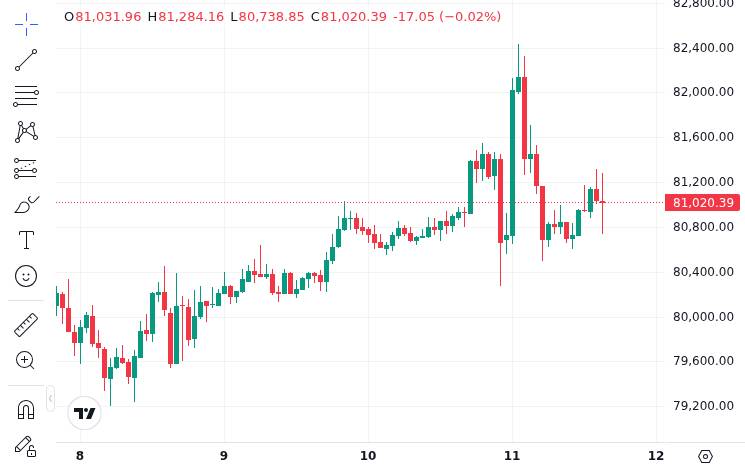
Strategy Buys 535 BTC, Total Holdings Hit 818,869 BTC

Saylor's Strategy resumes BTC accumulation with $43M million purchase




