

Donald Trump Rejects Iran Peace Demands as Strait of Hormuz Talks Stall
TLDR
- Iran demanded U.S. war reparations as part of its peace counterproposal.
- Tehran wants recognition of Iranian sovereignty over the Strait of Hormuz.
- Trump called Iran’s latest response “totally unacceptable” on Truth Social.
- Iran wants sanctions relief, while the U.S. seeks nuclear commitments first.
- Oil prices rose after U.S.-Iran peace talks stalled over Tehran’s demands.
President Donald Trump rejected Iran’s latest counterproposal to end the U.S.-Iran conflict, after Tehran listed demands that included war reparations, recognition of Iranian sovereignty over the Strait of Hormuz and an end to American sanctions.
Iranian state media reported the conditions on Monday after Trump described the proposal as “totally unacceptable” in a post on Truth Social. The response was delivered through Pakistani mediators, who have been helping the two sides communicate during efforts to extend a fragile ceasefire and reopen the Strait of Hormuz.
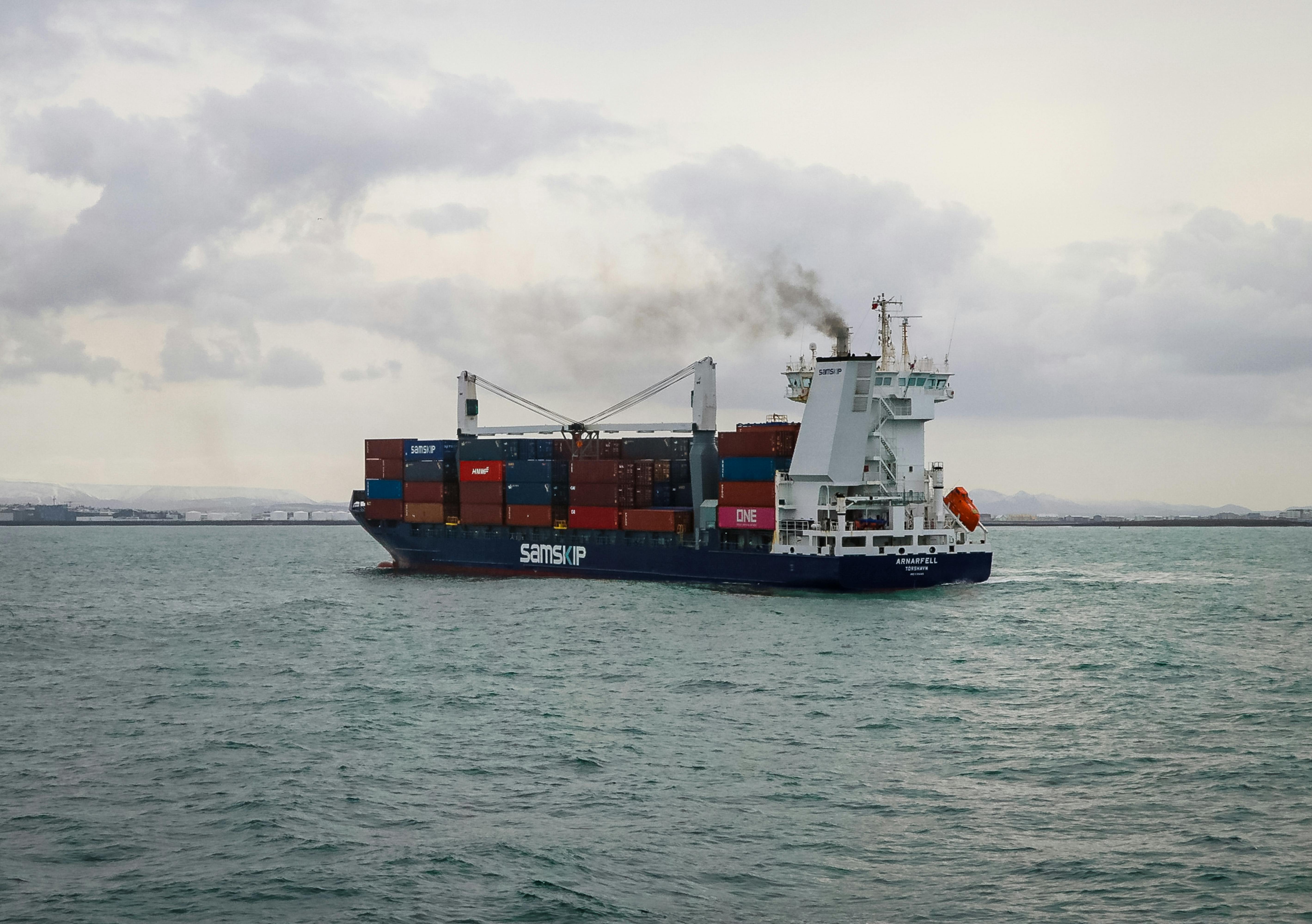
The demands show the wide gap between Washington and Tehran after more than two months of conflict involving the United States, Israel and Iran. The war began in late February and later moved into a limited ceasefire in April, but fighting and maritime disruption have continued near the Persian Gulf.
The Strait of Hormuz remains the central issue in the negotiations. The waterway carries a large share of global oil and gas shipments, and Iran has effectively restricted passage since the start of the conflict. The disruption has raised energy prices and added pressure to global markets.
Iran Defends Its Peace Conditions
Iranian Foreign Ministry spokesman Esmail Baghaei defended Tehran’s response on Monday, saying Iran was not asking for concessions but asserting its rights. He said the proposal would have allowed safe passage through the Strait of Hormuz while addressing Iran’s security and economic demands.
Iran’s state broadcaster said Tehran wants the United States to pay war damages, recognize Iranian sovereignty over the Strait of Hormuz and remove economic sanctions. The first two demands are widely viewed as unlikely to gain U.S. acceptance. The sanctions demand would also face resistance unless Iran agrees to terms on its nuclear program.
Baghaei said Iran wanted to focus on urgent issues, including an end to the war and related fighting in the region. He also said questions about Iran’s nuclear program could be discussed later, rather than settled before a ceasefire deal.
That position conflicts with Washington’s approach. Trump and other U.S. officials have insisted that Iran must address its enriched uranium stockpile and nuclear capabilities as part of any wider peace agreement.
Nuclear Dispute Remains a Key Barrier
Donald Trump said in a recent interview that the United States is monitoring Iran’s remaining enriched uranium and would “get that at some point.” His administration has repeatedly said Iran cannot be allowed to obtain nuclear weapons.
Iran has rejected proposals that would require it to hand over its enriched uranium stockpile or fully suspend its nuclear program under U.S. control. Tehran has said its nuclear activity is tied to national rights and civilian use, while the United States and Israel have raised concerns that the material could support weapons development.
Baghaei avoided detailed comments on the nuclear dispute during his latest briefing, saying Iran would address the matter at the appropriate time. That stance leaves one of the hardest parts of the negotiation unresolved.
The disagreement also affects the sanctions issue. Analysts cited in reports said the United States is unlikely to lift broad sanctions unless Iran makes clear nuclear concessions. Iran, however, has continued to demand sanctions relief as part of any settlement.
The war has added pressure to Iran’s economy, which was already weakened by years of U.S.-led sanctions. Iranian reports cited job losses tied to the war, attacks on industry and internet restrictions. Despite those pressures, Tehran’s latest position suggests it still sees leverage from its control over the Strait of Hormuz.
Oil Prices Rise as Talks Falter
Oil prices rose after Donald Trump rejected Iran’s response, while U.S. stock futures moved lower. Traders reacted to the reduced chance of a quick peace deal and continued uncertainty around the Strait of Hormuz.
The disruption has also affected fuel prices. Reports cited AAA data showing the average U.S. gasoline price at about $4.52 per gallon on Monday, up from $3.13 at the same time last year.
Small-scale attacks have continued near the Strait. The United Arab Emirates said it faced Iranian drone attacks over the past week, while U.S. officials said American warships fired on Iranian coastal military facilities after coming under attack. The U.S. military also said it struck two Iranian-flagged oil tankers that were attempting to enter an Iranian port.
Iran’s military warned that countries helping enforce U.S. sanctions could face difficulties passing through the strait. Washington has pushed for free navigation through the waterway and rejected any arrangement that would give Iran long-term control or tolling authority over global shipping.
Donald Trump had hoped to advance the Iran talks before traveling to Beijing for a meeting with Chinese President Xi Jinping. China has strong interests in energy stability and maintains close ties with Iran, making the conflict a likely topic during the summit.
The post Donald Trump Rejects Iran Peace Demands as Strait of Hormuz Talks Stall appeared first on CoinCentral.


You May Also Like
Dems corner GOP on Trump's 'rank corruption' as public sours

Sen. Warren launches a probe into the OCC, accusing the Trump administration of illegally granting “national trust” bank charters




