USPF’s missing ₦26.9 billion rural connection fund. Here is what we know
Nigeria’s Universal Service Provision Fund (USPF) was created with a straightforward mission: take money from telecom operators, pool it, and use it to build telecommunications infrastructure in communities that the market would otherwise leave behind.
Rural villages. Underserved towns. Places where private telecom companies have no financial incentive to invest.
It is the kind of programme that does not make headlines when it works. But when it fails, or worse, when it is allegedly looted, the consequences are not felt in spreadsheets. They are felt by the student in Borno State who cannot access online learning materials. The farmer in Kebbi who cannot use mobile money.
The pregnant woman in a remote community who cannot reach a healthcare line when something goes wrong.
That is why the findings in Nigeria’s Auditor-General’s 2022 report, published quietly in September 2025, matter so much, and why the Socio-Economic Rights and Accountability Project (SERAP) wrote to President Tinubu on May 9, 2026, demanding accountability for ₦26.9 billion in funds that are either missing, unaccounted for, or potentially diverted.
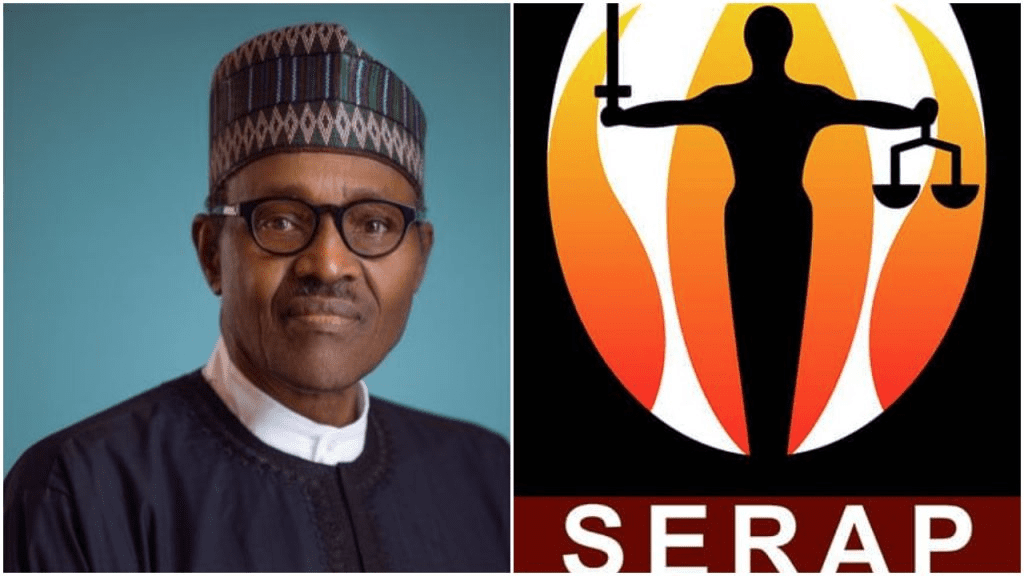 Late President Muhammadu Buhari
When this happened, who was in charge of the USPF fund
The first step is to establish the context, as it significantly affects how we interpret the current inquiries. The financial irregularities documented by the Auditor-General took place between 2016 and 2022, primarily during the administration of former President Muhammadu Buhari.
The questionable transactions, missing remittances, ghost consultants, and fictitious pandemic-era trips all occurred under his government, not under Tinubu’s administration.
The Buhari government led Nigeria from 2015 to 2023. During this time, the Universal Service Provision Fund (USPF), which works under the Nigerian Communications Commission (NCC) and the Ministry of Communications, was fully managed by the government.
This is a factual statement needed for the analysis, not a political opinion.
But here is where it gets complicated.
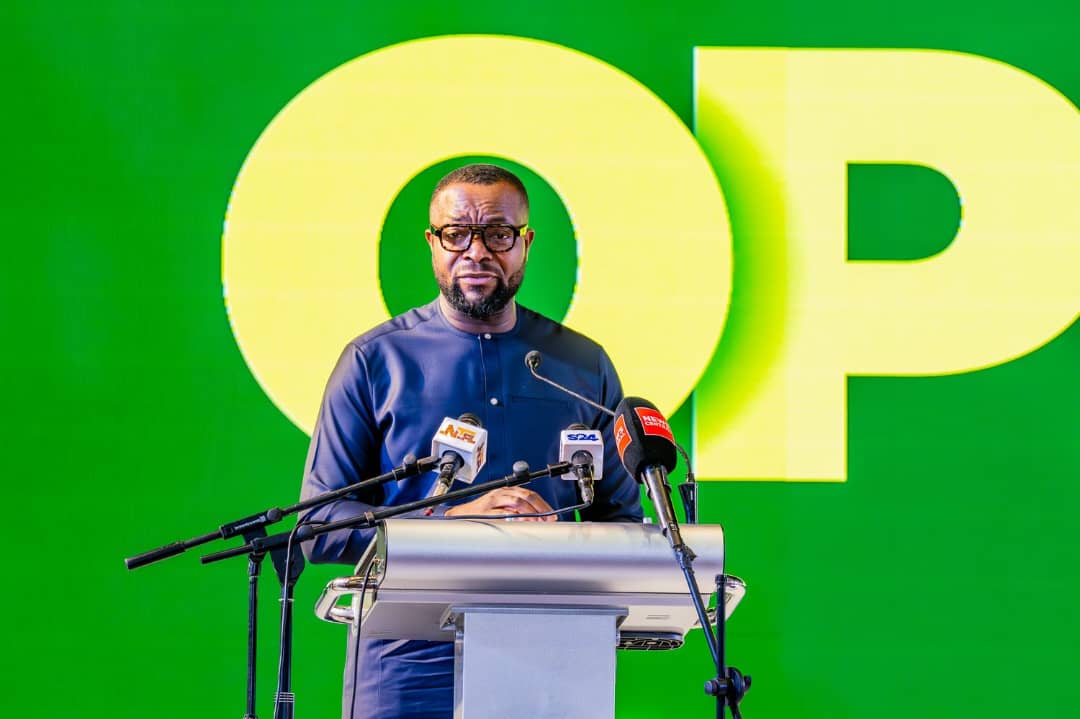 Minister of Communications, Innovation and Digital Economy, Dr Bosun Tijani
The Tinubu’s government is still on the hook even though it did not spend the money
When a new administration takes over an agency, it also takes on the responsibility for that agency’s actions. The USPF is still around, and the financial issues don’t go away just because there’s new leadership.
If a private company found ₦26.9 billion in irregularities from the previous management, the current directors would need to look into it, try to recover the funds, and hold individuals accountable. Government agencies should be treated the same way.
President Tinubu today supervises the Ministry of Communications through Minister Bosun Tijani. His administration has appointed or kept leaders at the USPF. The Auditor-General’s report was published in September 2025, which is over two years into Tinubu’s presidency.
The government has been aware of these findings for several months. SERAP’s letter dated May 9, 2026, asks why no visible action has been taken during that time.
What the Auditor-General uncovered
Let’s go through the specific findings, because the details are what make this story genuinely alarming.
The USPF failed to send ₦13.8 billion in operating surplus to the government treasury, as required by law, over four years from 2016 to 2019. The Auditor-General, Mr Shaakaa Kanyitor Chira, clearly stated that the money “may have been diverted.”
The second major finding reveals that over ₦2.8 billion in contracts were awarded without any approval or procurement documentation. There are no contract files or records of the process. The Auditor-General worries that these contracts may have led to the loss of public funds. In a country where contract inflation and kickbacks in government spending are common issues, the lack of any paper trail is concerning.
Then there is the COVID-19 travel scandal, which is perhaps the most brazen item in the report. The USPF claimed to have spent over ₦11.7 million on international training in October 2020. However, Nigeria was under a complete lockdown and travel ban during that time, meaning no one could travel internationally.
Despite this, payments were made without any supporting documents. There were no invitation letters, registration receipts, or certificates of participation. The Auditor-General’s conclusion is clear: the USPF money may have been misappropriated.
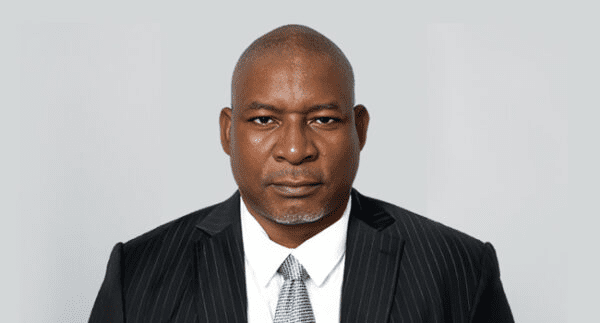 Auditor General of the Federation, Mr Shaakaa Kanyitor Chira
There is also the matter of ₦8 million paid to a fund manager who did not exist.
Records confirmed that no fund manager had been employed as of December 31, 2020, yet the payment was made. The contract agreement itself carries another red flag: it was signed on March 5, 2021, fifteen days before the contract was officially awarded on March 19, 2021.
A contract was signed before it was awarded. That sequence is physically impossible in a legitimate procurement process and points strongly to a backdated, fabricated paper trail.
Further down the list: ₦6.4 billion spent on connectivity projects that were never included in the approved 2020 budget, ₦2.8 billion spent between January and May 2021 with no supporting documents and no explanation of purpose, ₦390 million paid to consultants for projects where there was no evidence of any work done, no site visits, no equipment supplied, and persistent connectivity problems at the supposed project locations.
The USPF also failed to deduct ₦144 million in withholding tax from consultant payments and failed to collect and remit ₦333 million in stamp duty from contractors.
Taken together, these findings do not describe isolated accounting errors. They describe a pattern, a sustained, multi-layered pattern of financial misconduct at an agency specifically created to serve Nigeria's most underserved communities.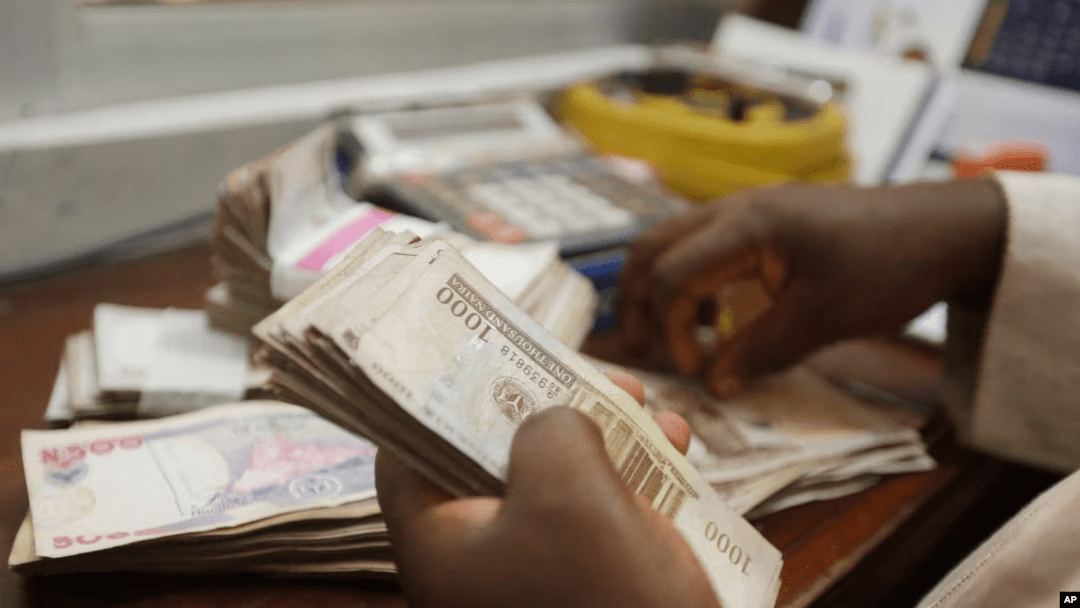 Naira
Naira
What SERAP demands and what the government has said
SERAP’s letter to Tinubu asks for three things: that Minister Bosun Tijani and USPF Secretary Yomi Arowosafe explain where the money went, that the Attorney General and anti-corruption agencies launch a formal investigation, and that anyone found responsible face prosecution.
The organisation gave the government seven days to respond, warning it would pursue legal action if ignored.
It is worth noting what SERAP is not saying. It is not accusing Tijani of any personal wrongdoing. Its demand is institutional, that the current supervising minister use his authority to compel accountability for what happened under his predecessors' watch.
Whether Tijani, who has been one of the more active and publicly engaged members of Tinubu’s cabinet on digital economy issues, will respond meaningfully is a question that Nigerians in the sector will be watching closely.
The real cost: what ₦26.9 billion in connectivity funding actually means
To understand why this matters beyond the corruption angle, it helps to think about what ₦26.9 billion in USPF funding is actually supposed to do.
In 2023, the USPF announced a ₦75 billion Rural Broadband Initiative targeting 18 states with low connectivity. That number gives a sense of scale. ₦26.9 billion is a substantial portion of what a serious national rural connectivity programme costs. It is not pocket change, it is infrastructure. It is the difference between a community with broadband access and one without it.
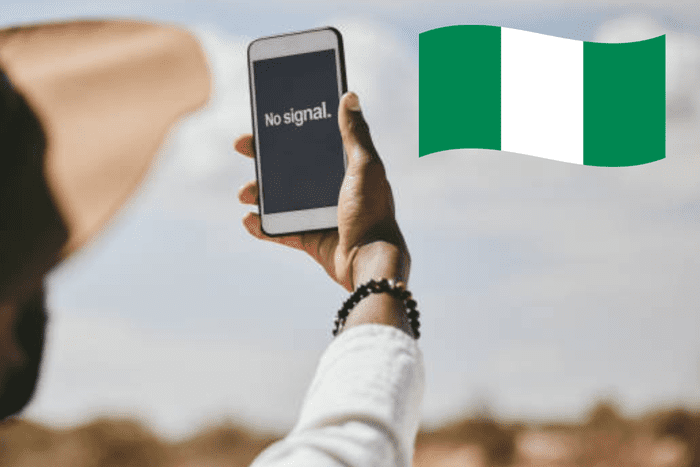
Nigeria’s digital divide remains one of the most significant barriers to economic inclusion. Millions of Nigerians cannot access government services, educational resources, financial tools, or health information because they simply cannot get online. The USPF exists precisely to address that gap.
Every naira diverted from its mandate is a naira taken directly from the Nigerians who need digital infrastructure most.
It is still unclear whether this investigation will actually happen, or if it will simply become another forgotten Nigerian public sector scandal that led to angry words but no legal action.
SERAP’s seven-day clock is ticking.
Also read: Over 20,000 3MTT fellows to benefit from tech recruitment partnership


You May Also Like
Bitcoin (BTC) Caught in a Tight Range: Will $58K Support or $61K Resistance Give Way First?

Bitcoin, Gold, and U.S. Stocks Dive as Trump Pledges to Hit Iran ‘Extremely Hard’