

Senate Banking Committee Rejects DeFi Anti-Money Laundering Provision in CLARITY Act Markup
BitcoinWorld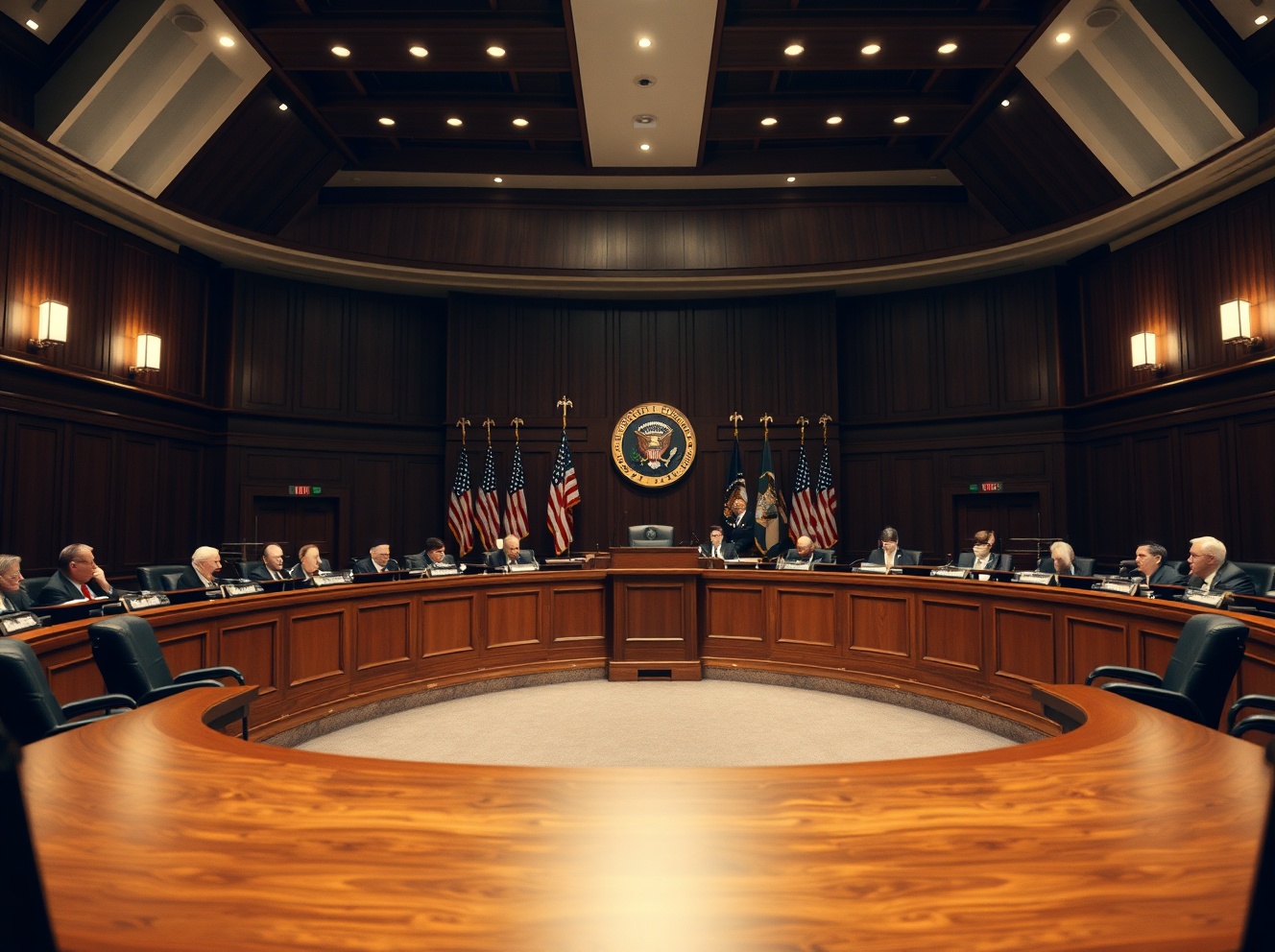
Senate Banking Committee Rejects DeFi Anti-Money Laundering Provision in CLARITY Act Markup
The U.S. Senate Banking Committee has voted down a proposed amendment to the CLARITY Act that would have imposed anti-money laundering (AML) requirements on decentralized finance (DeFi) protocols and established liability for their developers. The decision came during the committee’s markup session on the bill, highlighting the deepening partisan divide over how to regulate emerging cryptocurrency technologies.
What the Rejected Provision Would Have Done
The amendment, introduced by Senator Chris Van Hollen (D-MD), sought to explicitly bring DeFi platforms under existing Bank Secrecy Act obligations. A central component of the proposal would have held developers legally responsible if they intentionally designed or maintained software that facilitated illicit financial flows. Van Hollen argued that without such a measure, DeFi would remain a significant gap in the U.S. anti-money laundering framework, potentially enabling sanctions evasion and other financial crimes.
The Opposition and Rationale
Senator Cynthia Lummis (R-WY) led the opposition to the provision, contending that current federal laws already provide sufficient tools to prosecute bad actors. Lummis, a known advocate for the crypto industry, warned that the amendment’s broad language could stifle innovation by imposing compliance burdens on software developers who have no direct control over how their code is used. The argument resonated with several committee members who expressed concern about driving DeFi development overseas.
Implications for the Broader CLARITY Act
The CLARITY Act, formally titled the Crypto Legal Authority and Regulatory Transparency Act, is intended to provide clearer regulatory guidelines for digital assets. While the rejection of the DeFi AML provision removes one of the most contentious elements of the bill, it may also reduce the legislation’s effectiveness in addressing what regulators have identified as a key vulnerability. The Treasury Department has previously flagged DeFi as a growing vector for money laundering, though it has also acknowledged the technical challenges of enforcing traditional financial regulations on decentralized networks.
What This Means for the Crypto Industry
For DeFi developers and users, the committee’s decision provides a temporary reprieve from the prospect of direct liability. However, the debate is far from over. The provision’s rejection does not preclude future legislative attempts, and regulatory agencies like the Financial Crimes Enforcement Network (FinCEN) continue to explore their own rulemaking authority. Industry observers note that the outcome signals a cautious approach from lawmakers, who are still grappling with how to balance innovation with consumer and national security protections.
Conclusion
The Senate Banking Committee’s decision to strike the DeFi AML provision from the CLARITY Act marks a significant moment in the ongoing legislative battle over cryptocurrency regulation. While the move was welcomed by many in the crypto sector, it leaves a critical policy question unresolved: how to prevent illicit finance in a technology that operates without traditional intermediaries. As the CLARITY Act moves forward, the debate over developer liability and DeFi oversight is likely to resurface, either in the House or during a potential reconciliation process.
FAQs
Q1: What is the CLARITY Act?
The CLARITY Act is a proposed U.S. law aimed at providing a clearer regulatory framework for digital assets, including definitions of when a cryptocurrency is a security or a commodity.
Q2: Why was the DeFi AML provision rejected?
Senator Cynthia Lummis and other opponents argued that existing laws are adequate and that the provision could harm the U.S. technology sector by holding developers liable for the actions of users.
Q3: What happens next for DeFi regulation?
The rejection does not end the regulatory conversation. Federal agencies like FinCEN may pursue their own rules, and the issue could be revisited in future legislation or during House consideration of the CLARITY Act.
This post Senate Banking Committee Rejects DeFi Anti-Money Laundering Provision in CLARITY Act Markup first appeared on BitcoinWorld.


You May Also Like

BTC Price Shaky Near $67K While Oil Surges on Middle East Tensions: What's Next? (April 2 Update)

The changing face of elder care in Malaysia — Sayed Mohammad Reza Yamani Sayed Umar

Not a loophole: Singapore AI export controls let China tap US AI legally



