CME’s Nasdaq Crypto Index Futures Are Not Just Another Product Launch
A Different Type of Futures Contract
The CME Group’s decision to launch Nasdaq CME Crypto Index futures pushes institutional access beyond single-asset exposure. Instead of forcing funds to pick Bitcoin or Ethereum in isolation, the new contract tracks a broad digital asset benchmark developed with Nasdaq. That changes the conversation inside allocation committees. A CME executive noted demand grew with average daily trading volume in the firm’s suite increasing 43% year-to-date, according to the original release. That number alone tells you how fast managed money is accelerating into regulated crypto derivatives.
Product innovation at this scale doesn’t happen randomly. CME already operates the deepest regulated crypto futures market globally, and its recent move to 24/7 crypto futures trading removed the last major friction for non-U.S. participants. Adding an index product now looks like a deliberate sequencing play: first the infrastructure, then the packaging.
Why an Index Matters More Than Single-Asset Contracts
Single-asset futures force buyers to express a view on one token. That’s fine for tactical traders but awkward for allocators who want market beta. A broad crypto index futures contract solves the denominator problem. Pension funds, insurance general accounts, and sovereign wealth pools can gain regulated exposure without becoming active crypto pickers. The Nasdaq CME Crypto Index likely includes Bitcoin, Ethereum, and possibly smaller large-cap assets, mimicking how equity index futures operate. That structure reduces idiosyncratic risk and makes crypto look more like a standard asset class.
This is bigger than product design. It’s about normalizing crypto inside regulated market infrastructure. The SEC and CFTC have been drawing clearer lines between digital commodities and securities, and the first joint interpretation on crypto assets already gave market participants a framework. CME’s index launch aligns with that clarity, operating in a zone where regulators are finally providing definitions.
Institutional Volume Is Already Speaking
The 43% year-to-date volume increase in CME’s existing crypto suite is not a forecast—it’s realized demand. Options volumes on CME Bitcoin contracts have also become large enough to influence spot price discovery. When futures and options dominate, the tail starts wagging the dog. Exchange-listed crypto derivatives now set the marginal price far more than spot order books during U.S. trading hours, especially around CPI and FOMC events. That structural shift makes CME’s expansion a liquidity event, not just a listing.
If the index futures attract even a fraction of the capital targeting traditional equity index products, the implications for crypto market depth are significant. Liquidity begets liquidity. Institutional prime brokers and clearing firms already connect to CME rails, which means the new contract will likely see strong participation from macro hedge funds and commodity trading advisors who have been waiting for true basket exposure. This is not retail territory. This is the $85 trillion digital asset ecosystem being referenced as the addressable market, not the current crypto market cap.
Nasdaq’s Role Signals a Broader Convergence
Nasdaq providing the index methodology is at least as telling as CME’s execution. The exchange that originally built its brand on tech stocks is now structuring crypto benchmarks for derivatives markets. That’s not a side project. Nasdaq has been building out its own digital asset index business and custody infrastructure for years. A co-branded index with CME deepens the relationship between traditional market structure players and the crypto sector. It also reinforces the idea that digital assets are migrating onto the same rails as equities and fixed income, especially as tokenization of traditional securities accelerates.
This convergence is not theoretical. Stablecoins are already functioning as a parallel settlement layer, and the market is beginning to understand that stablecoins are becoming shadow banking in ways that demand serious attention. When index futures settle in cash but price cryptocurrency baskets, the plumbing between crypto-native and regulated markets becomes more interconnected. CME clearing members are the bridge, and the index product makes that bridge wider.
What This Means for Market Structure Going Forward
CME’s move should be read alongside the broader trend of regulated exchanges capturing crypto volume that once flowed exclusively through Binance, OKX, and unregulated derivatives platforms. The CME is not competing on leverage or altcoin fireworks. It’s competing on capital efficiency, margin netting, and regulatory certainty. The Nasdaq CME Crypto Index futures will likely be used as a hedging instrument against broader crypto portfolios, especially by institutions that cannot hold spot crypto directly.
There’s a second-order effect that matters for Bitcoin and Ethereum correlation. If the index becomes liquid enough, macro funds may start trading it against the S&P 500 or gold futures, embedding crypto beta inside multi-asset strategies without ever touching an exchange wallet. That’s a different type of flow—one that doesn’t care about on-chain metrics, Layer 2 adoption, or narrative-driven price action. It cares about volatility and correlation. And it’s exactly the type of flow that could reduce crypto’s cyclical boom-and-bust amplitude over time, even if it creates new crowded-trade risks.
BTCUSA Insight
CME isn’t launching this index futures contract because crypto is having a good month. This is a long-duration bet on crypto assets becoming permanently embedded in global portfolio allocation. The 43% year-to-date volume jump and Nasdaq’s methodology partnership point to a market that is being rebuilt around institutional primitives. The interesting risk is not whether the contract succeeds—it almost certainly will—but whether index-based flows eventually dilute Bitcoin’s unique monetary premium by treating it as just one component inside a basket that institutions can trade like any other asset class. That’s the quiet drama inside this product launch, and it will take years to fully play out.
<p>The post CME’s Nasdaq Crypto Index Futures Are Not Just Another Product Launch first appeared on Crypto News And Market Updates | BTCUSA.</p>


You May Also Like

GOP lawmaker sues ex-wife who accused him of throwing boiling water on her
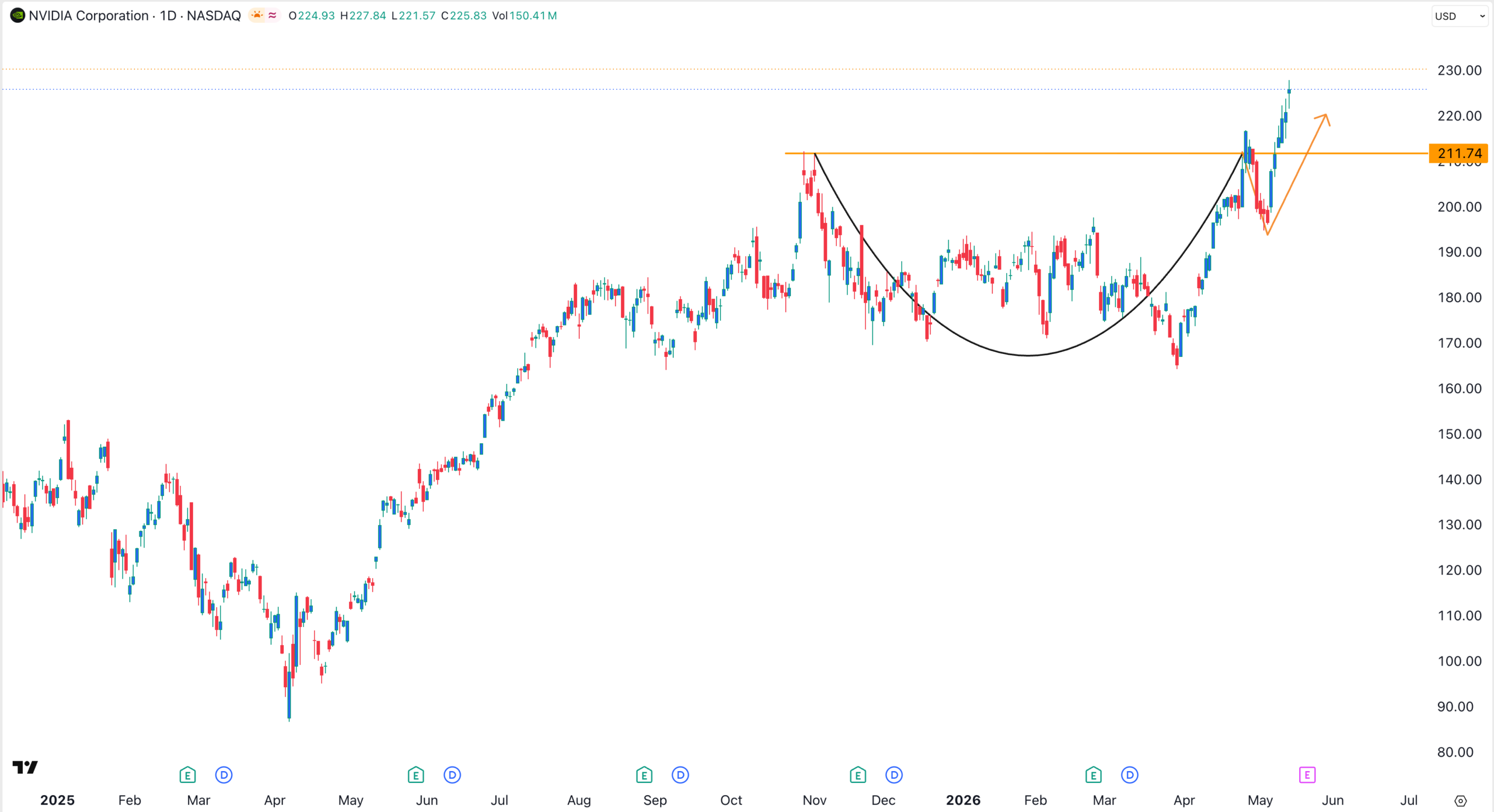
NVIDIA Stock Forecast as the US Clears H200 Chips Sales to China