

Big Win For Crypto: SEC Ends 50-Year “No-Deny” Rule
The post Big Win For Crypto: SEC Ends 50-Year “No-Deny” Rule appeared first on Coinpedia Fintech News
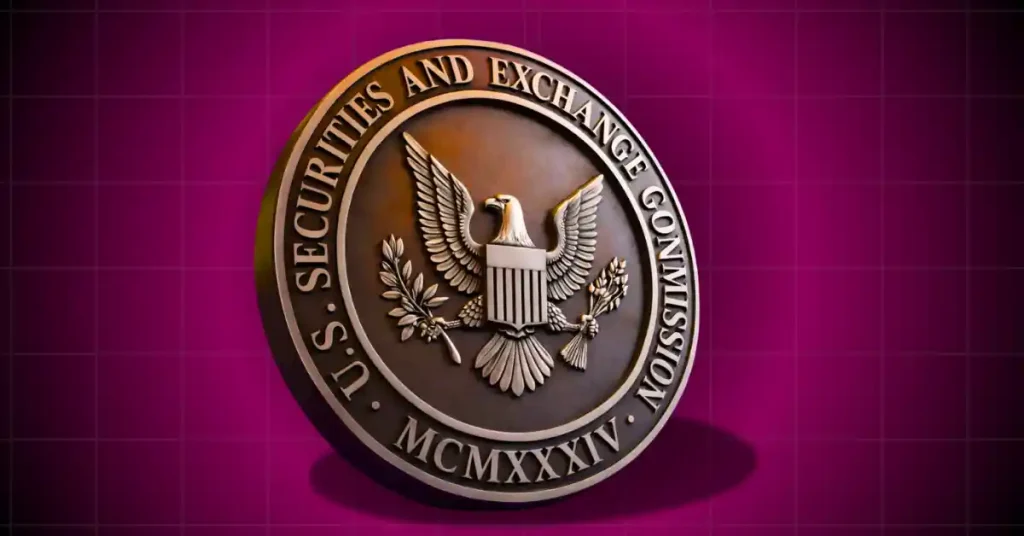
The U.S. Securities and Exchange Commission has officially removed one of its oldest enforcement rules. The rule, introduced in 1972, stopped companies or individuals from publicly denying the agency’s allegations after settling a case.
Now, this change could give crypto firms like Ripple more freedom to speak openly even after settling with the SEC.
SEC Removes “No-Admit/No-Deny” Rule
On May 18, the SEC issued a press release stating that it is removing Rule 202.5(e), a rule in place for over 50 years. This rule used to stop people who settled cases with the SEC from publicly denying the agency’s claims against them.
Under the old policy, companies or individuals could settle with the SEC without admitting guilt, but they also could not publicly dispute the accusations afterward.
With the rule now removed, defendants will be allowed to settle cases while continuing to publicly criticize or deny the SEC’s claims.
The SEC also confirmed it will no longer enforce older “no-deny” settlement clauses already agreed to in previous cases.
That means even companies or individuals who settled years ago will now face no penalties for publicly disputing SEC allegations tied to past settlements.
Paul Atkins Says Policy Created Wrong Impression
According to the SEC chair, Paul Atkins, the old rule may have unintentionally created the perception that the agency was attempting to shield itself from criticism.
Further, he said the decision restores an important principle around freedom of speech and criticism of government agencies.
Paul said that under Donald Trump, the SEC has already started taking a softer approach in some of its enforcement actions compared to previous years.
Community Supports the SEC Decision
Bitcoin investor Wayne Vaughan said that the decision was long overdue. The SEC forces you to accept the language of their settlement order even if it contains provably incorrect information.
SEC Commissioner Hester Peirce also backed the decision, arguing that forced silence from settling defendants does not help financial markets or investor protection efforts.
Peirce said public criticism of regulators can actually improve government accountability and strengthen market transparency over time.
While the SEC still retains full authority to pursue enforcement actions and negotiate admissions when necessary, the removal of the “no-deny” rule marks one of the agency’s biggest procedural shifts in decades.


You May Also Like

Why Businesses Need Professional Machine Design and Development Services

Bitcoin ETFs Shed $649M in a Day While Ethereum Fund Outflows Hit a Six-Day Streak




